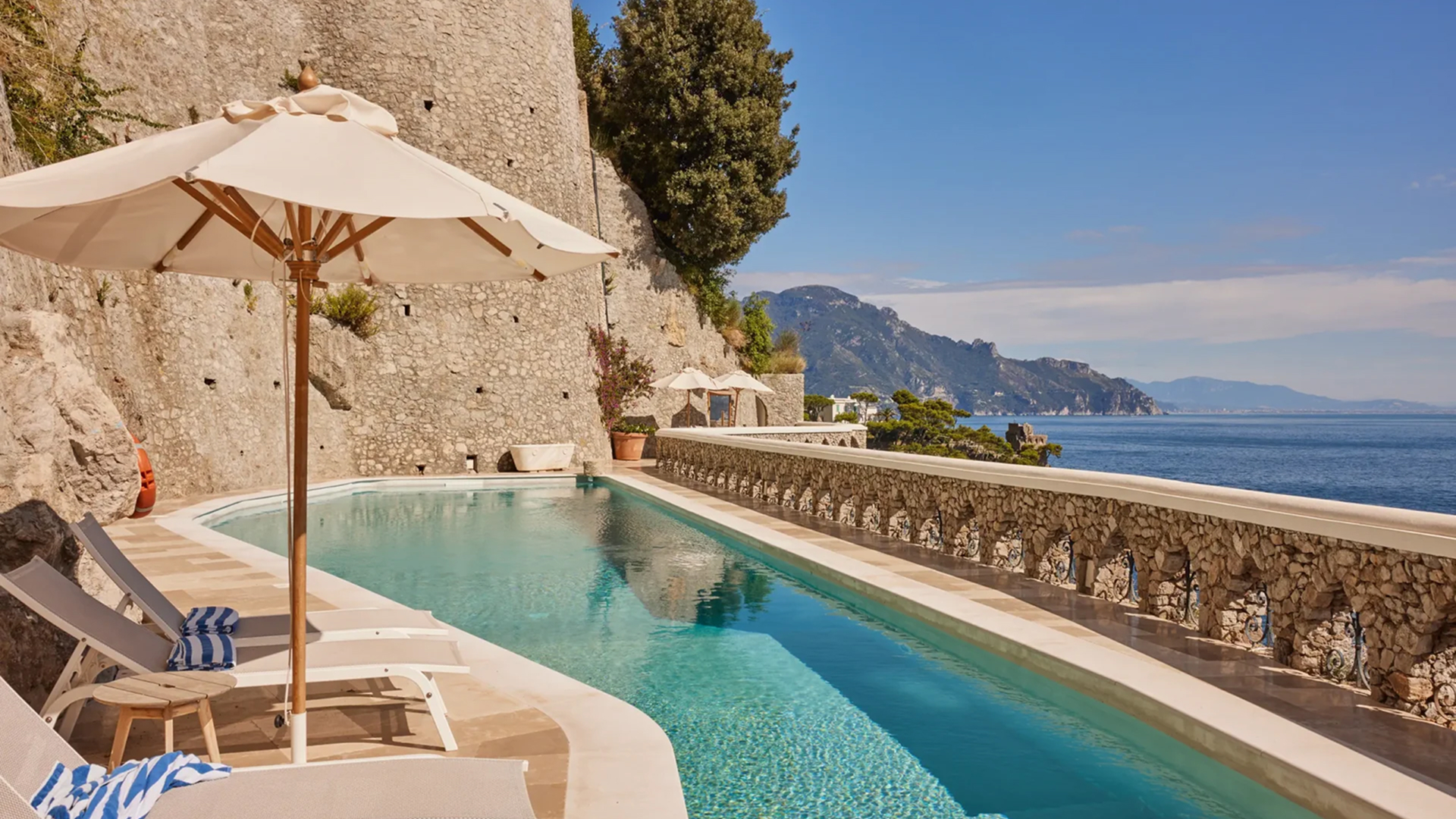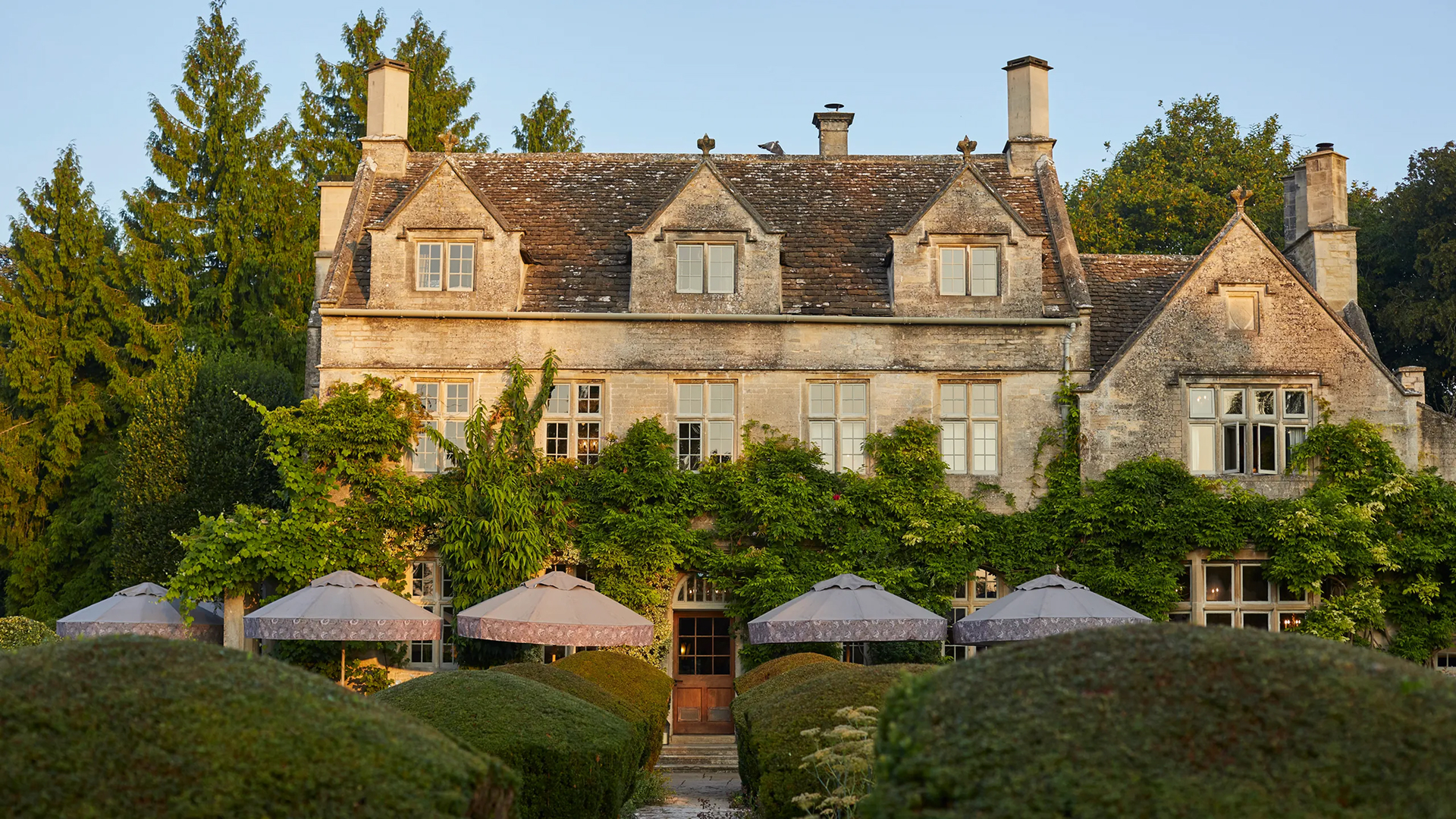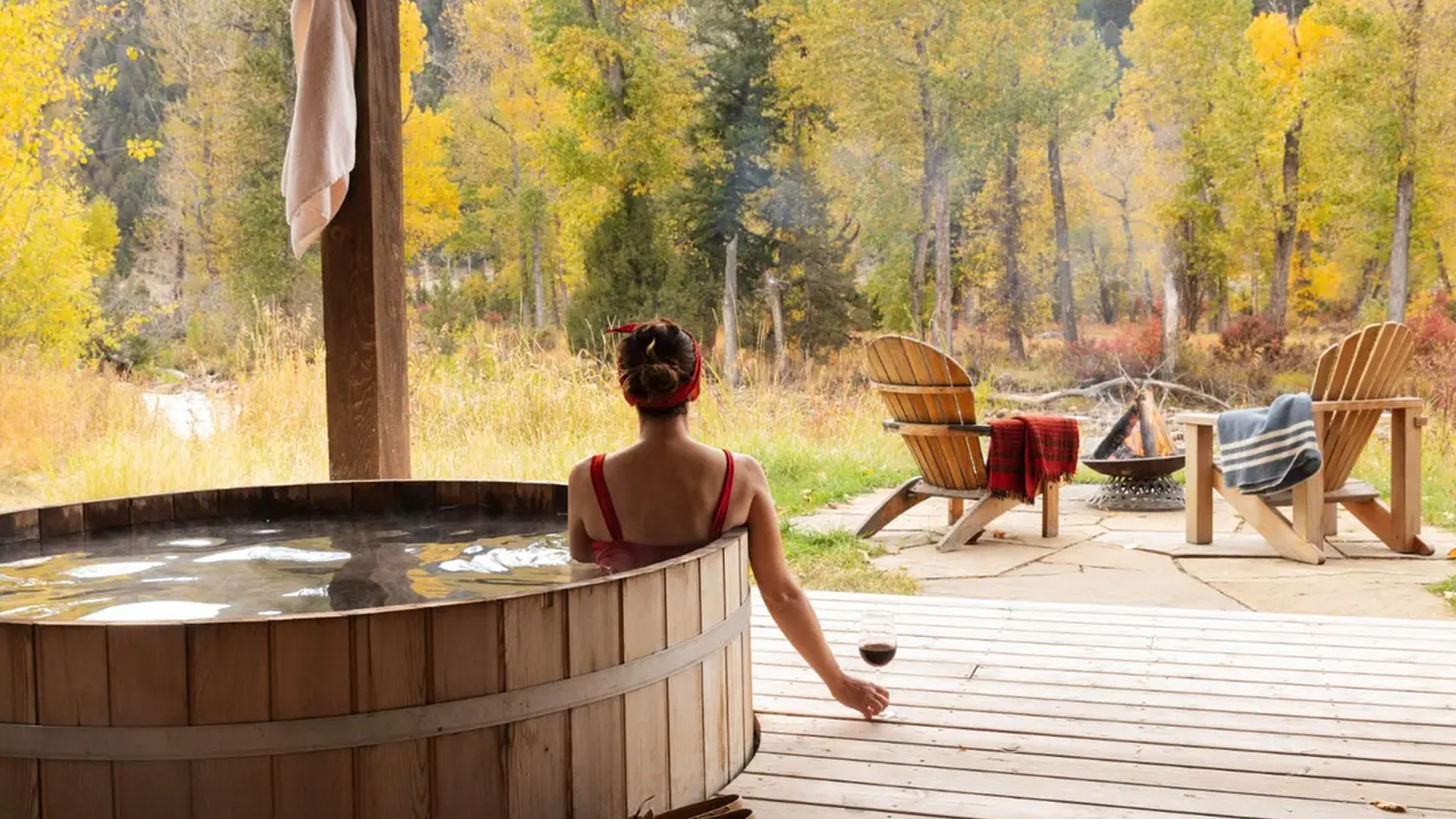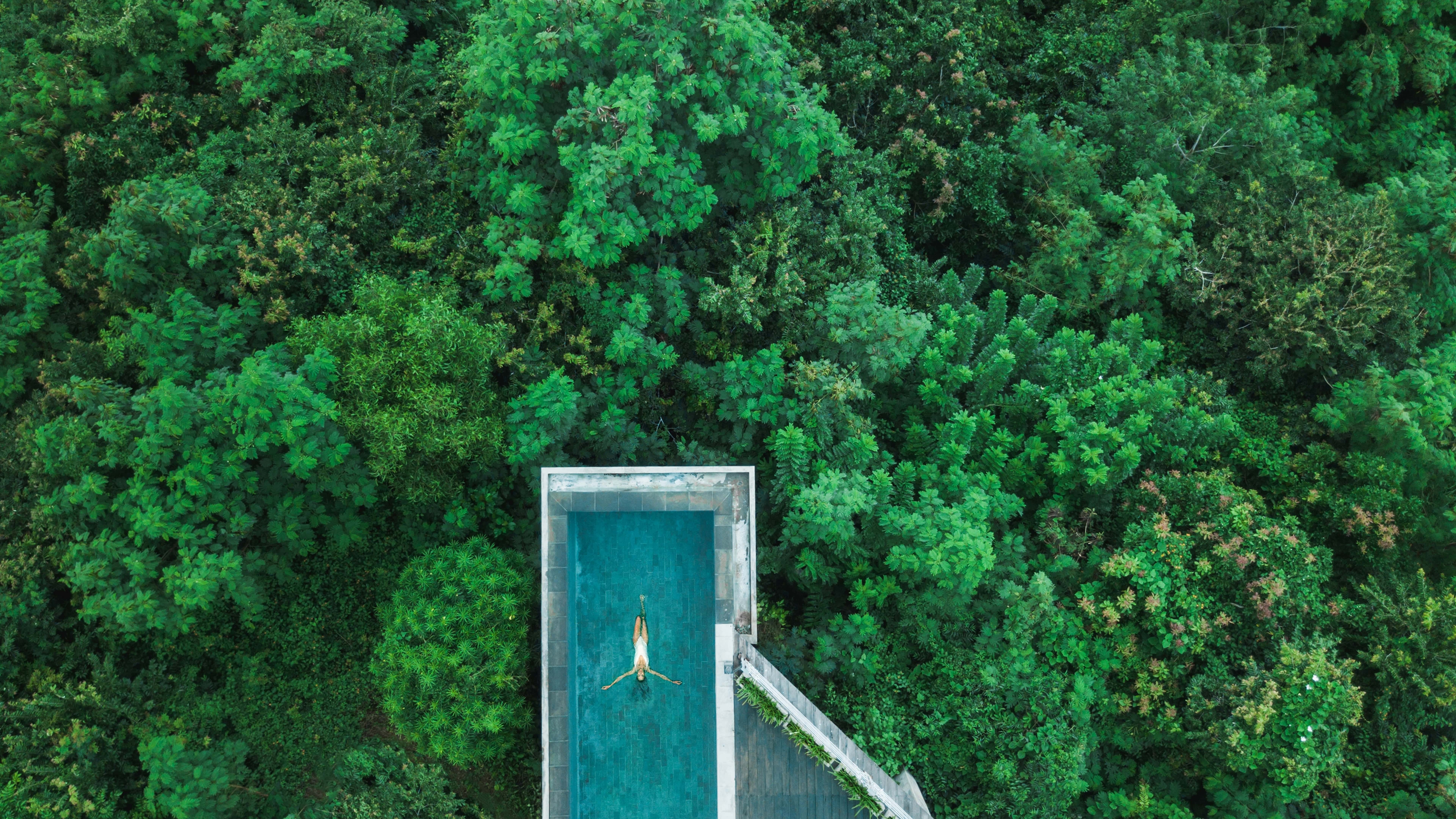
A new era of sustainable luxury
The integration of biophilic design in high-end hotels is more than an aesthetic trend, it’s a strategic move toward sustainability.
Nature as the foundation of luxury hospitality
Biophilic design enhances guest well-being by integrating natural elements into spaces. Studies show that exposure to nature reduces stress levels by 16% (International Journal of Environmental Research and Public Health). Leading luxury hotels like Six Senses and Soneva are setting industry benchmarks by embedding nature into their architecture, offering experiences that prioritize both exclusivity and eco-consciousness.
The rise of green architecture in hospitality
Innovative architectural firms like Biophilic Cities and Foster + Partners are leading the shift towards nature-centric designs. The 1 Hotel brand, for instance, incorporates living green walls and reclaimed materials in its urban retreats, promoting an immersive, eco-friendly luxury experience. Green roofs, indoor waterfalls, and expansive glass facades further blur the lines between built environments and nature.
The measurable impact of biophilic design
A study by Deloitte revealed that 73% of luxury travelers prioritize sustainability in their booking decisions. Hotels that implement biophilic design not only enhance aesthetics but also improve energy efficiency. The Parkroyal Collection Marina Bay in Singapore reduced energy consumption by 30% through its integration of natural ventilation and green terraces, demonstrating the financial viability of nature-driven architecture.

How biophilic design shapes guest experiences
Luxury hotels are redefining guest journeys by embedding nature into every aspect of the stay.
Sensory immersion through natural materials
Biophilic design appeals to multiple senses by incorporating natural textures, scents, and sounds. Resorts like Aman Kyoto use locally sourced wood, stone, and flowing water to create a tranquil atmosphere that mirrors Japan’s serene landscapes. These elements evoke a deep sense of relaxation and exclusivity, reinforcing the essence of luxury.
Wellness and biophilia: a new synergy
The rise of wellness tourism has accelerated the adoption of biophilic principles in hospitality. According to Global Wellness Institute, wellness tourism is expected to reach $1.3 trillion by 2025. Luxury spas at properties like Four Seasons Bali integrate open-air treatment rooms, reflecting pools, and natural soundscapes to enhance holistic well-being.
The economic advantage of nature-centric hotels
Investing in biophilic design yields long-term financial benefits. Hotels with biophilic elements report increased guest satisfaction scores by 15% (Cornell Hospitality Research). Properties like Shinta Mani Wild in Cambodia leverage their rainforest setting to offer immersive eco-luxury stays, attracting affluent travelers seeking authenticity and sustainability.


The future of biophilic luxury in hospitality
As consumer preferences evolve, the intersection of luxury, nature, and design will continue shaping the industry.
The next frontier: regenerative architecture
Beyond sustainability, regenerative architecture is emerging as the gold standard in luxury hospitality. Pioneering projects like Biosphere by Treehotel in Sweden focus on carbon-positive structures that give back to the environment. Future luxury hotels are expected to incorporate self-sustaining ecosystems, utilizing renewable energy and water harvesting technologies.
Smart technology meets biophilia
The integration of smart technology in biophilic design enhances guest experiences while promoting efficiency. Hotels like Alila Villas Uluwatu in Bali use AI-driven climate control systems to optimize natural airflow and reduce energy waste. This fusion of nature and technology elevates comfort without compromising sustainability.
Redefining exclusivity through eco-conscious design
Luxury travelers are increasingly drawn to properties that merge exclusivity with responsibility. Brands like Belmond and One&Only are redefining opulence by offering stays that emphasize conservation efforts, local craftsmanship, and environmental stewardship. This shift signals a new era where biophilic design is not just a feature but an expectation in high-end hospitality.
Biophilic design is revolutionizing the luxury hospitality industry, proving that sustainability and indulgence can coexist seamlessly. As hotels continue to innovate, the fusion of nature and architecture will remain a defining pillar of modern luxury.