Architecture that shelters and connects
Mountain design begins with protection and continuity. Structures grow from the terrain, built to resist, but also to embrace. Le Chalet Zannier in Megève expresses this equilibrium through low roofs, open fireplaces, and hand-worked timber. The building blends into snow-covered slopes, turning its interior into a refuge. Guests sense calm through proportion, where intimacy comes from closeness to material, not from confinement.
Proportion as an expression of care
Scale defines comfort at altitude. Hotel Le Coucou Méribel balances grand views with compact interiors. Wide windows open to the Alps while wooden panels frame private corners. The dialogue between vast and intimate gives rhythm to the space. Guests experience openness without exposure, structure without rigidity. Each element aligns to create an emotional balance between mountain power and human scale.
Structure as rhythm
Architecture becomes rhythm when repeated lines, beams, and slopes mirror the natural order. Chedi Andermatt applies this principle through its vertical wooden grid, alternating solidity and transparency. The repetition creates visual warmth, and light passes gently through each layer. The result is a feeling of steady pulse, connecting interior movement to the surrounding peaks. Harmony arises from pattern and persistence rather than ornament.
Material honesty as emotional warmth
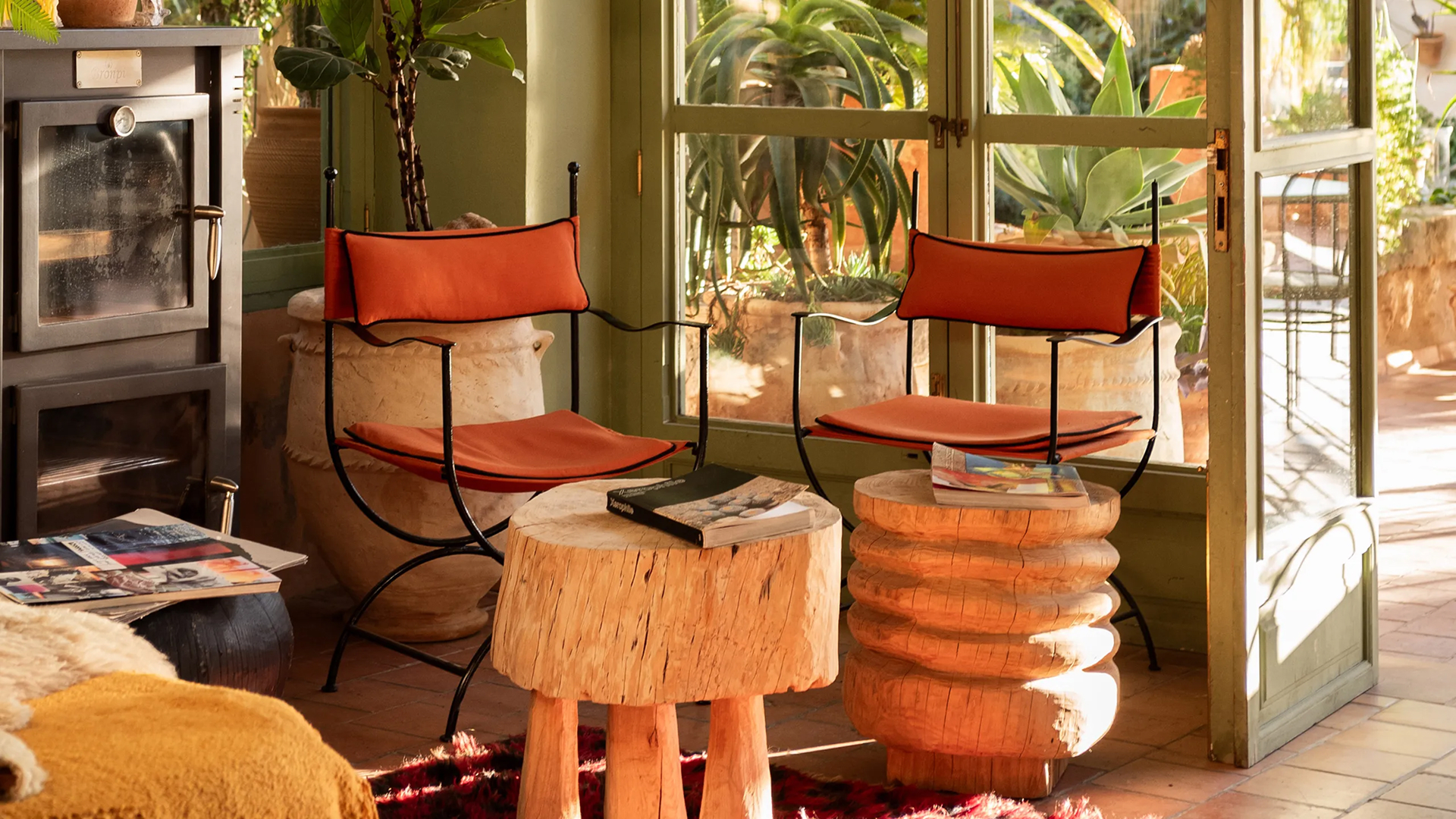
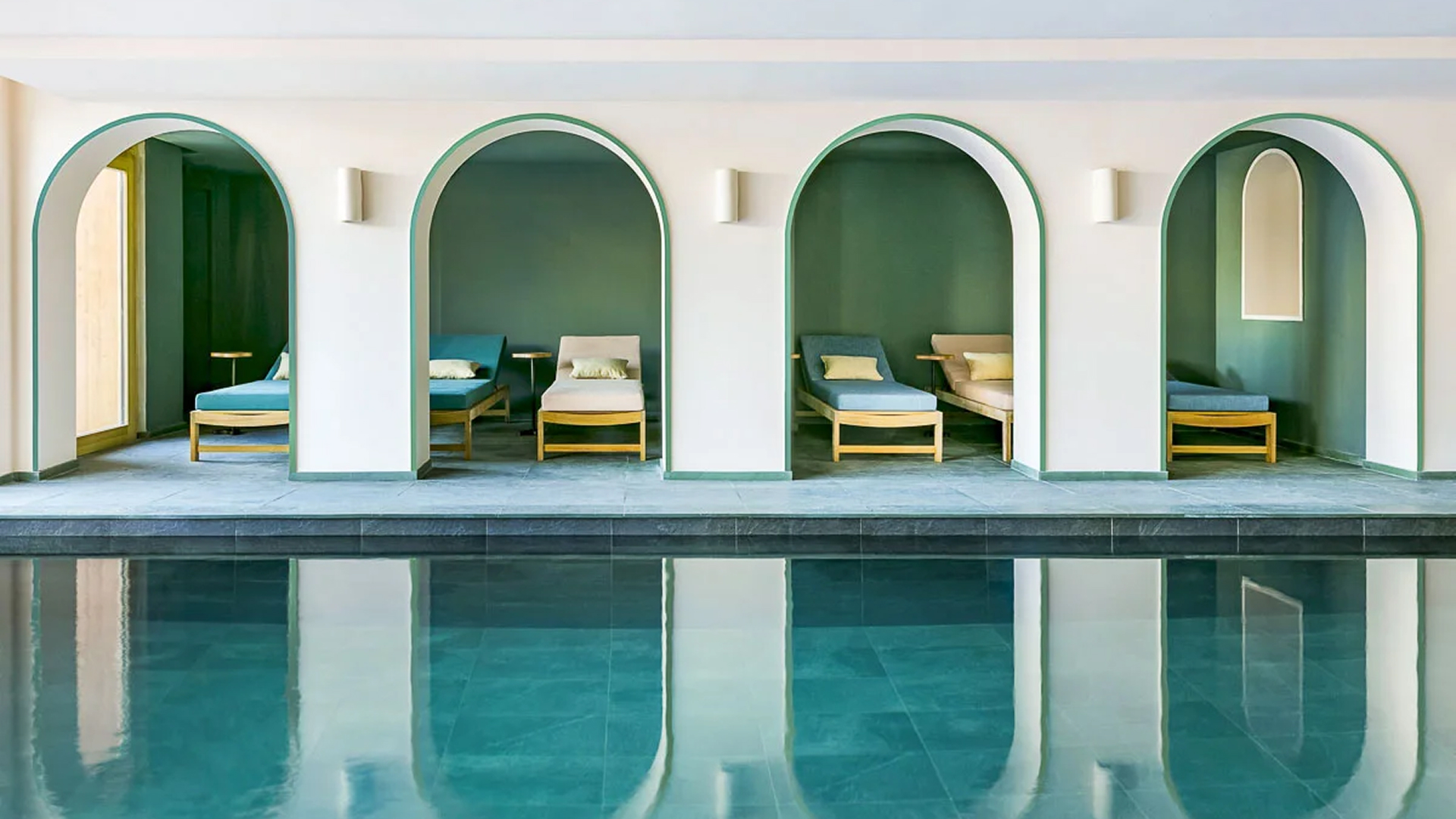
Material defines the mountain's character. Wood, stone, and wool translate nature into touch. When used with restraint, these elements form an architecture of honesty. Les Chalets du Mont d'Arbois in Megève demonstrates this approach through rough-hewn logs, wool textiles, and natural finishes that age gracefully. Every texture builds memory and depth. Warmth grows not from technology but from presence, the feeling of being held by familiar elements.
Craft as cultural continuity
Craftsmanship links mountain hospitality to heritage. Rosa Alpina in the Dolomites embodies this connection through bespoke carpentry and local artisanship. Each piece of furniture reveals knowledge accumulated through generations. The interiors tell a story of patience and permanence. Craft gives authenticity to luxury, proving that refinement depends on depth of culture rather than novelty of design.
Light as a living material
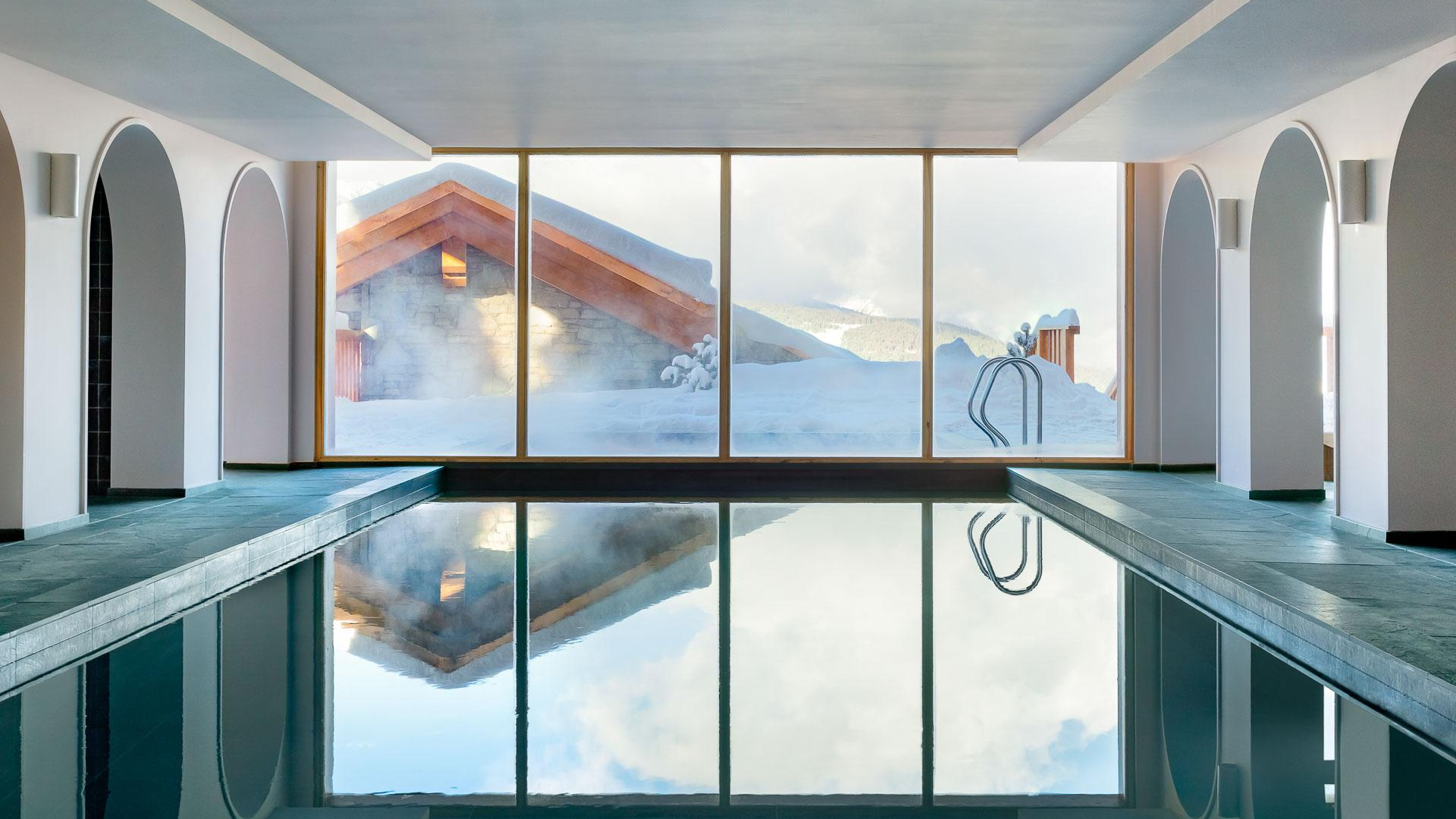
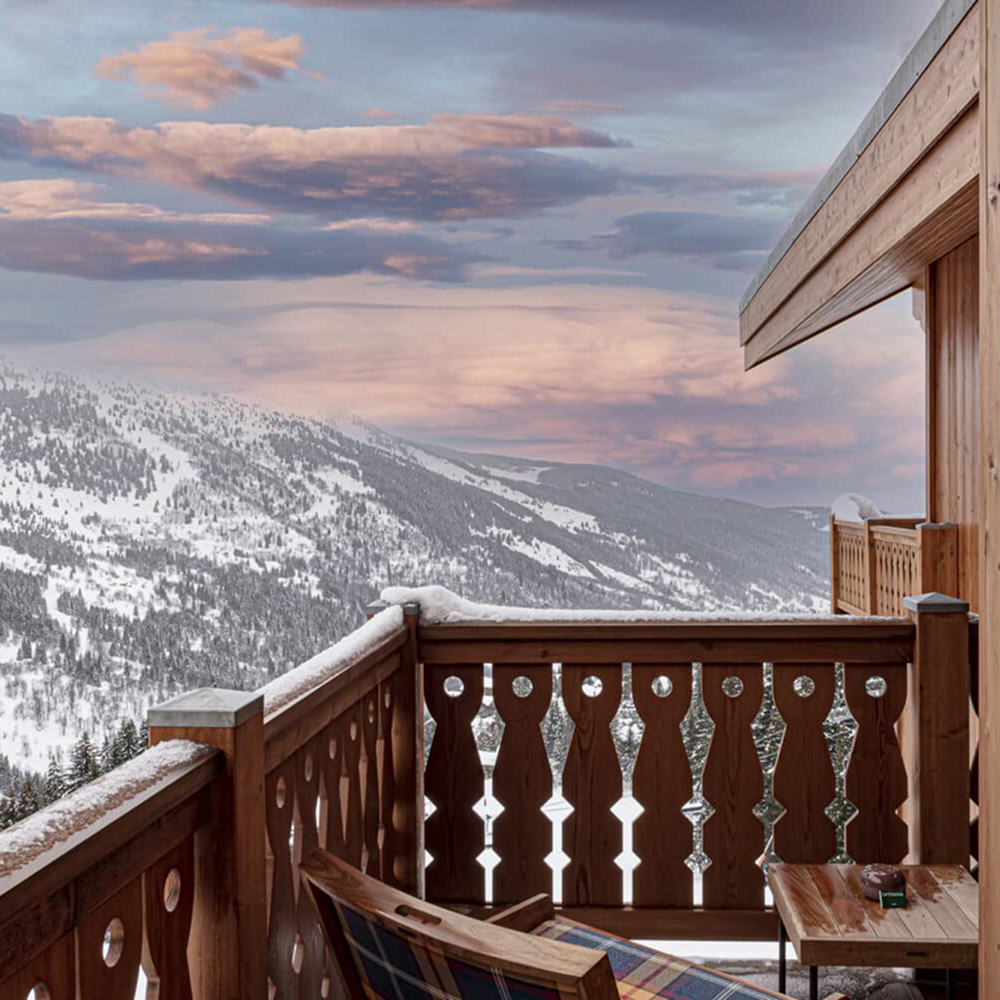
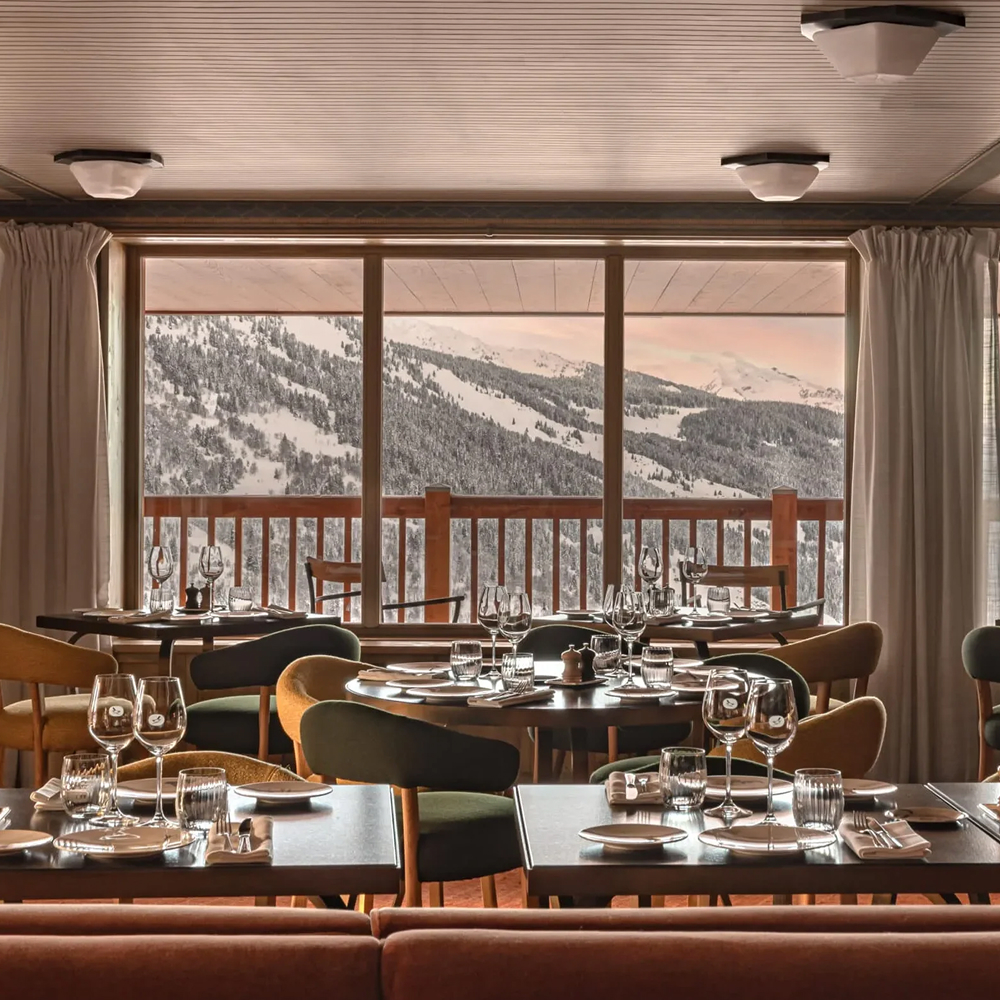
Light in the mountains defines emotion. It filters through clouds, reflects on snow, and transforms each surface. LeCrans Hotel & Spa in Crans-Montana captures this phenomenon through panoramic glazing and warm interior tones. The transition between cold exterior and radiant interior becomes the essence of the experience. Light sculpts space, guiding guests toward comfort and reflection. The result feels intimate, alive, and perfectly balanced.
Grounded elegance at altitude
Mountain hospitality celebrates grounding in both physical and emotional form. Properties such as Bergwelt Grindelwald in Switzerland translate altitude into a rhythm of stillness and connection. Fireplaces replace spectacle, textures replace excess, and design restores the bond between shelter and nature. Each stay becomes a dialogue between protection and exposure, warmth and distance.
Alpine hotels remind guests that true luxury lies in coherence between material, place, and emotion. Altitude amplifies every sensation, from light to silence, revealing how simplicity can hold immense power. Epikure works with mountain properties to align design, service, and identity around this language of grounded elegance. Contact us to turn altitude into atmosphere and craft into comfort.