The distance between digital promise and physical reality
The first rupture often appears before arrival. Guests form expectations through photography, tone of voice, booking flow, and pricing logic. If the on site experience differs too sharply from this projection, trust weakens immediately. The Ludlow Hotel presents a digital identity aligned with its physical atmosphere. Photography reflects actual light conditions, room scale, and materiality. Language remains restrained and consistent with the guest experience. Arrival confirms the same urban and residential tone introduced online, which strengthens credibility from the first interaction.
Overstated imagery creates expectation gaps
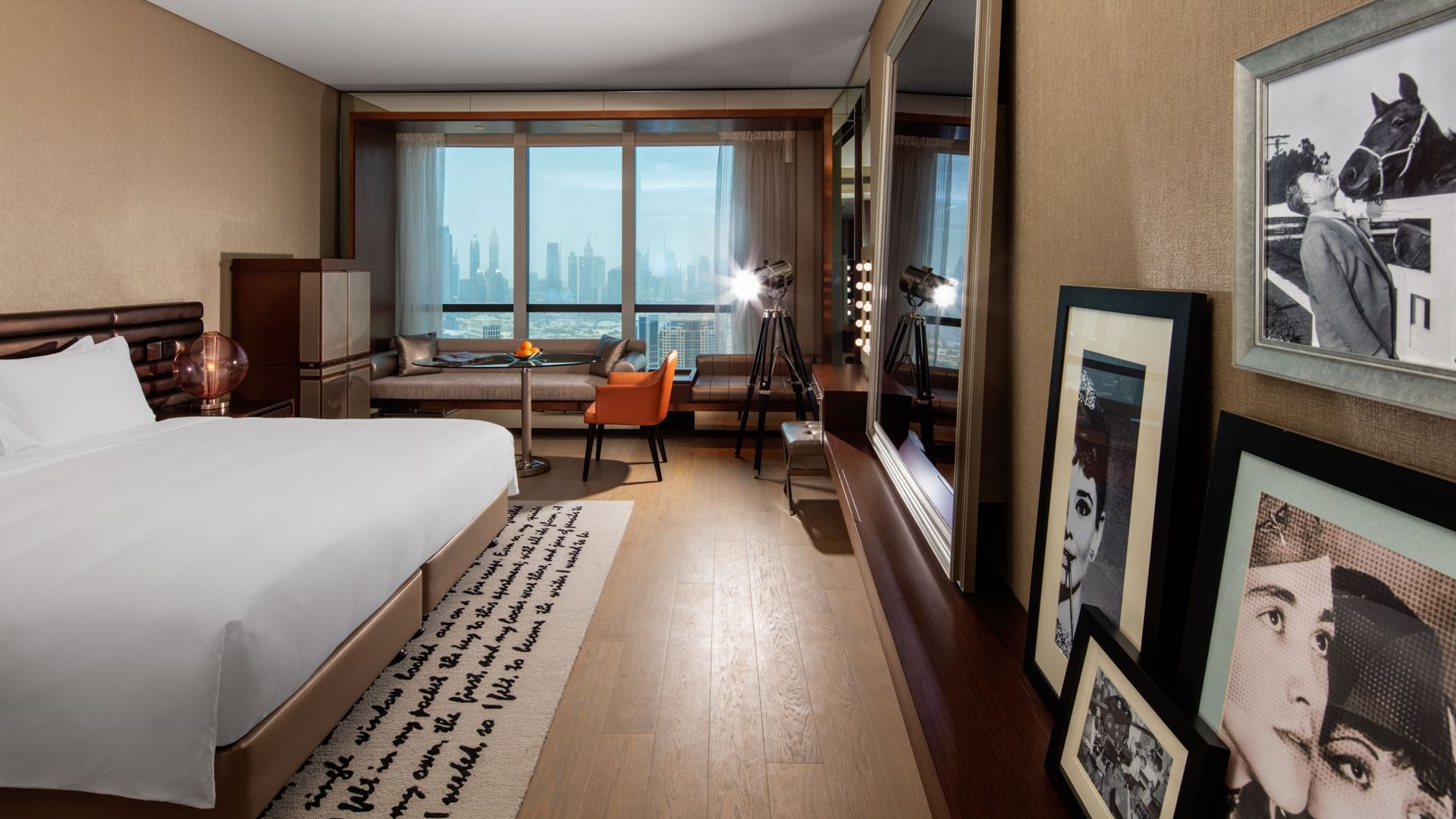
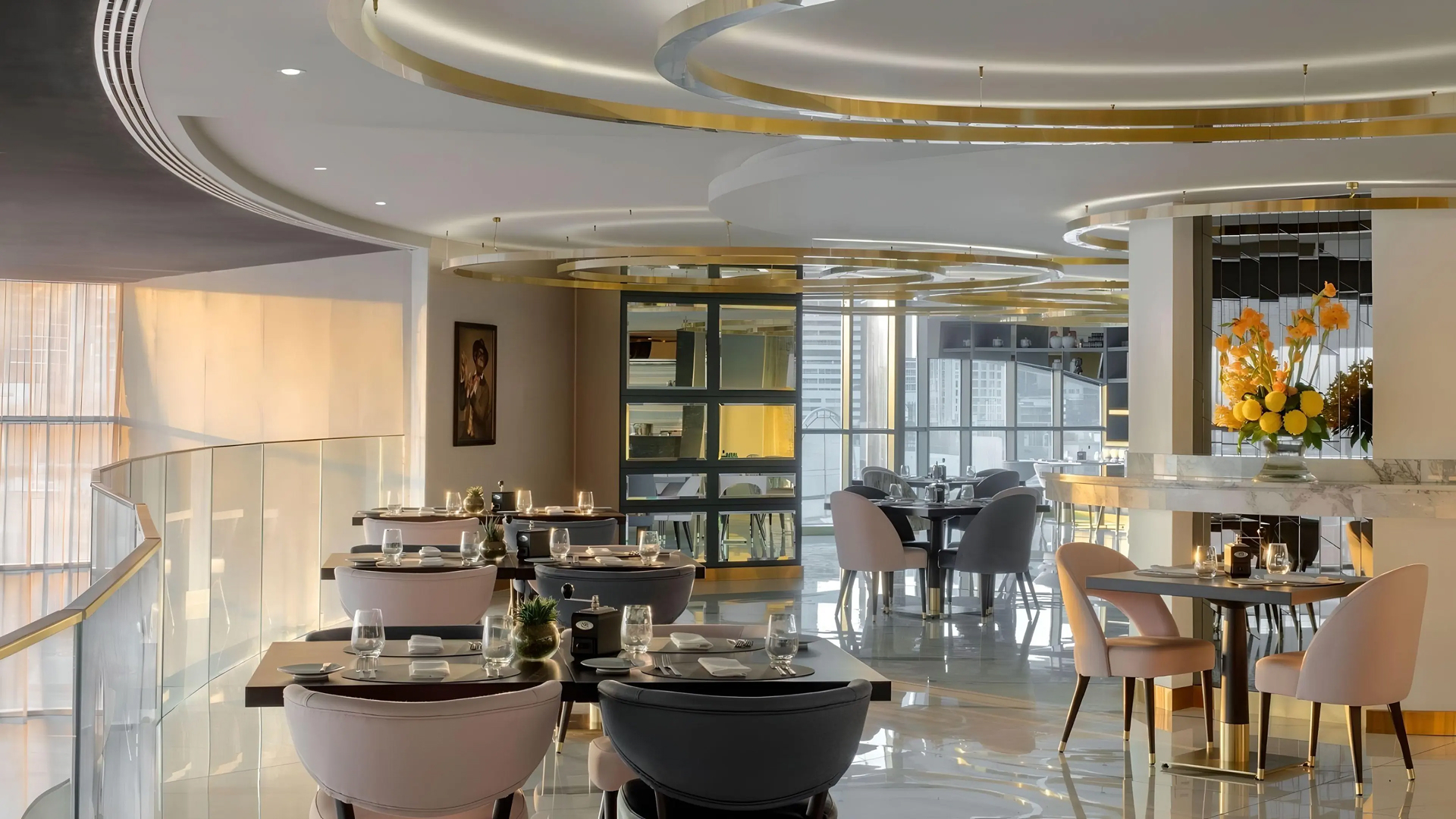
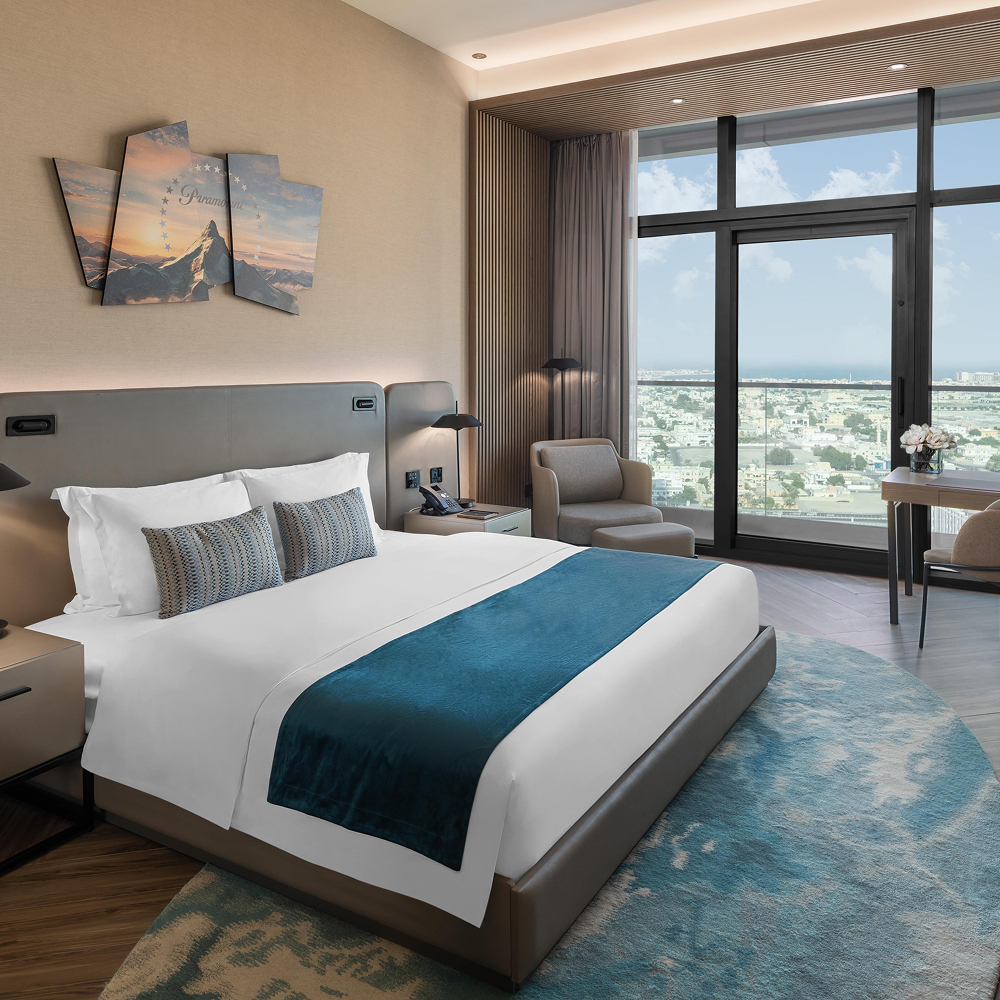
Hotels sometimes rely on heavily stylised imagery or broad lifestyle positioning that extends beyond operational reality. This creates tension between anticipation and experience. Paramount Hotel Dubai expresses a strong cinematic identity across marketing channels. Certain public spaces reinforce this positioning effectively, while other touchpoints follow more conventional hospitality codes. The variation between environments softens overall coherence and affects how guests interpret the brand promise.
Accurate representation strengthens trust
Guests respond positively when digital representation feels precise and proportionate. Restrained communication reduces disappointment because the experience remains aligned across channels. Casa Cook Rhodes maintains continuity between digital tone, architectural identity, and guest rhythm. Imagery, navigation, and spatial experience all reinforce the same calm positioning. This alignment supports premium perception because expectation and reality remain connected.
Spatial inconsistency weakens orientation
Guests move through a hotel expecting continuity in atmosphere, proportion, and tone. When spaces follow different visual or operational logics, the property becomes harder to read emotionally.
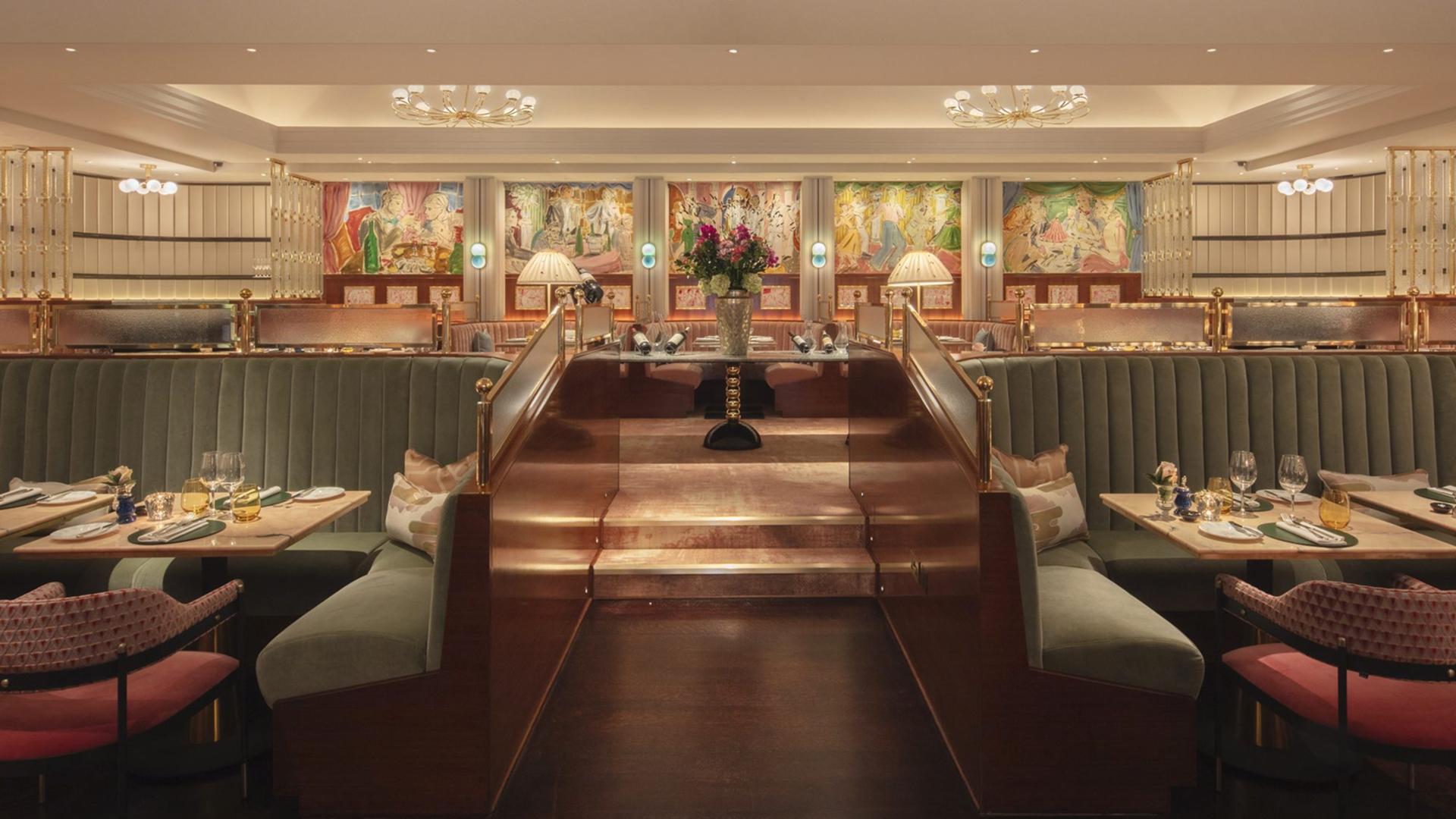
The Barcelona EDITION maintains a coherent relationship between lobby, rooms, dining spaces, and circulation areas. Material palette, lighting rhythm, and furniture proportions remain aligned across the property. Guests feel guided because each space confirms the previous one.
Different concepts can fragment the experience
Hotels with multiple restaurants, wellness areas, or event spaces often introduce competing identities that weaken overall perception. Variety becomes problematic when no shared framework connects the experiences.
Faena Miami Beach combines hospitality, nightlife, gastronomy, and cultural programming within one destination. Several spaces express strong individual identities, yet transitions between them can feel abrupt because rhythm and atmosphere shift significantly across the property.
Consistent spatial logic reinforces premium positioning
Properties that maintain alignment in scale, light, circulation, and materiality generate emotional stability. Guests interpret this continuity as refinement and operational discipline.
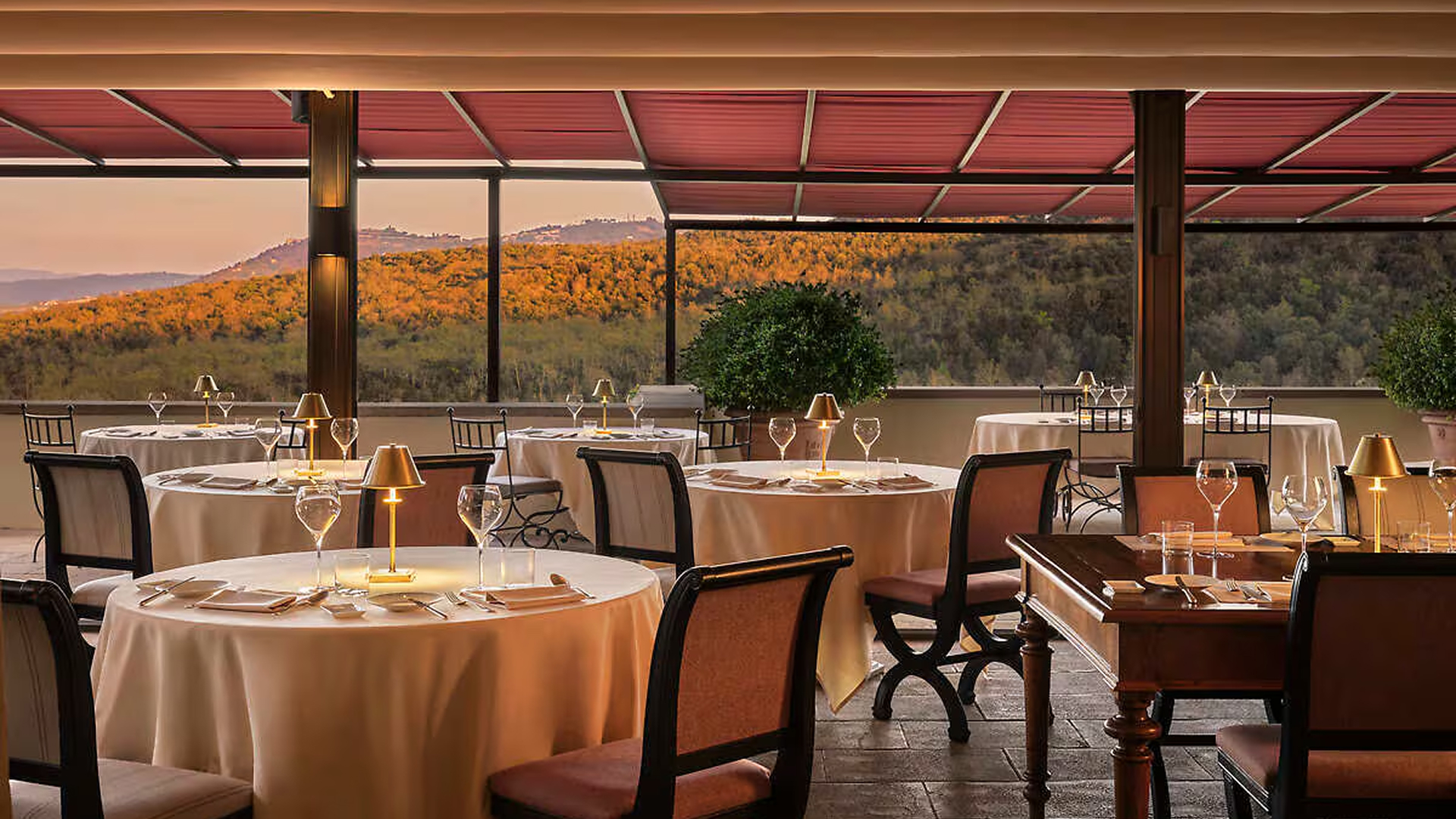
Can Ferrereta structures interiors, outdoor areas, and guest circulation around the same restrained architectural language. Public and private spaces feel connected through rhythm and proportion. This consistency reinforces serenity and strengthens premium perception.
Variations in service disrupt brand credibility
Service represents the most visible expression of positioning. Guests notice inconsistency immediately because human interaction defines trust more directly than architecture or decoration. The Beaumont Mayfair maintains a stable service posture across concierge, reception, dining, and housekeeping. Timing, tone, and attentiveness follow the same logic throughout the stay. Guests perceive professionalism because operational behaviour remains predictable and aligned.
Inconsistent service introduces uncertainty
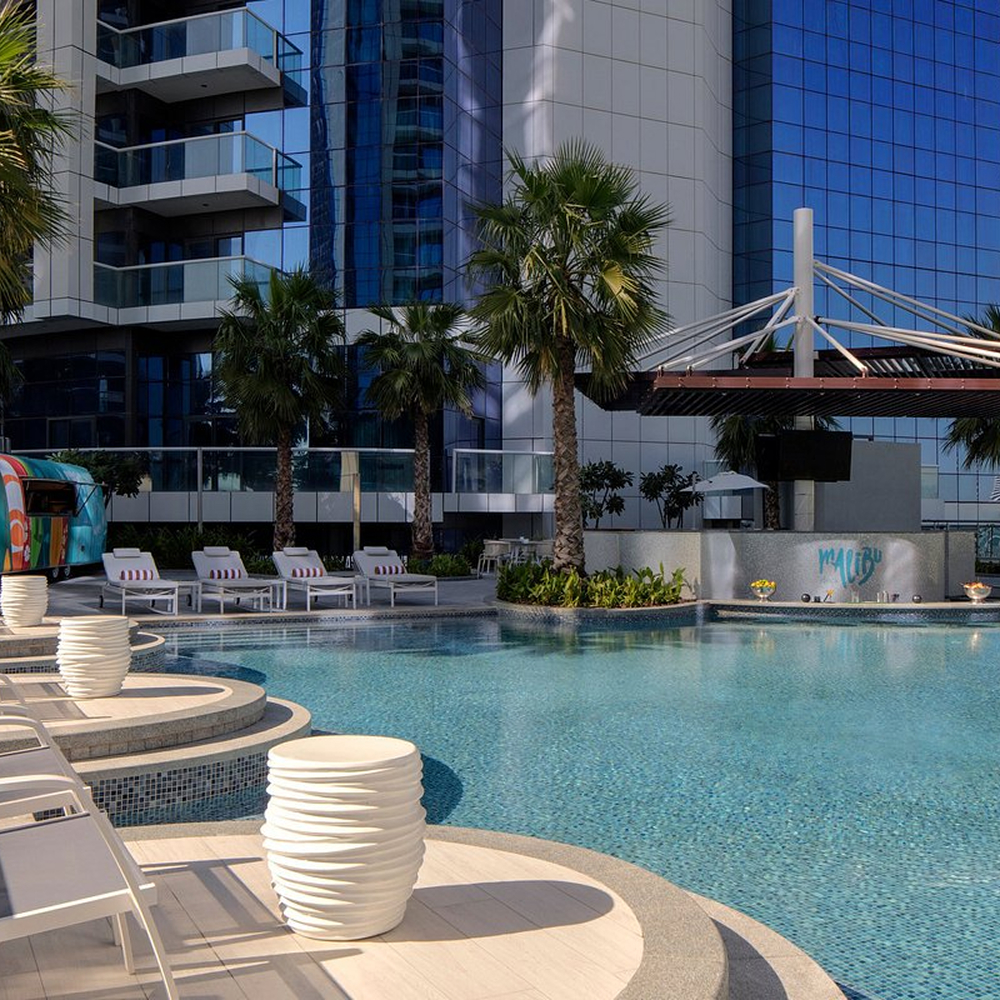
Differences in responsiveness, tone, or attention across departments create friction. Guests adapt expectations continuously instead of feeling supported by one coherent standard. SLS Dubai delivers strong visual positioning and energetic atmosphere, yet service rhythm can fluctuate depending on outlet and timing. Certain interactions reinforce premium expectations while others feel less structured, which affects overall coherence.
Operational discipline supports emotional continuity
Premium service depends on alignment between staffing, training, and positioning. When teams operate within a clear experiential framework, interactions reinforce the same emotional tone across all touchpoints.
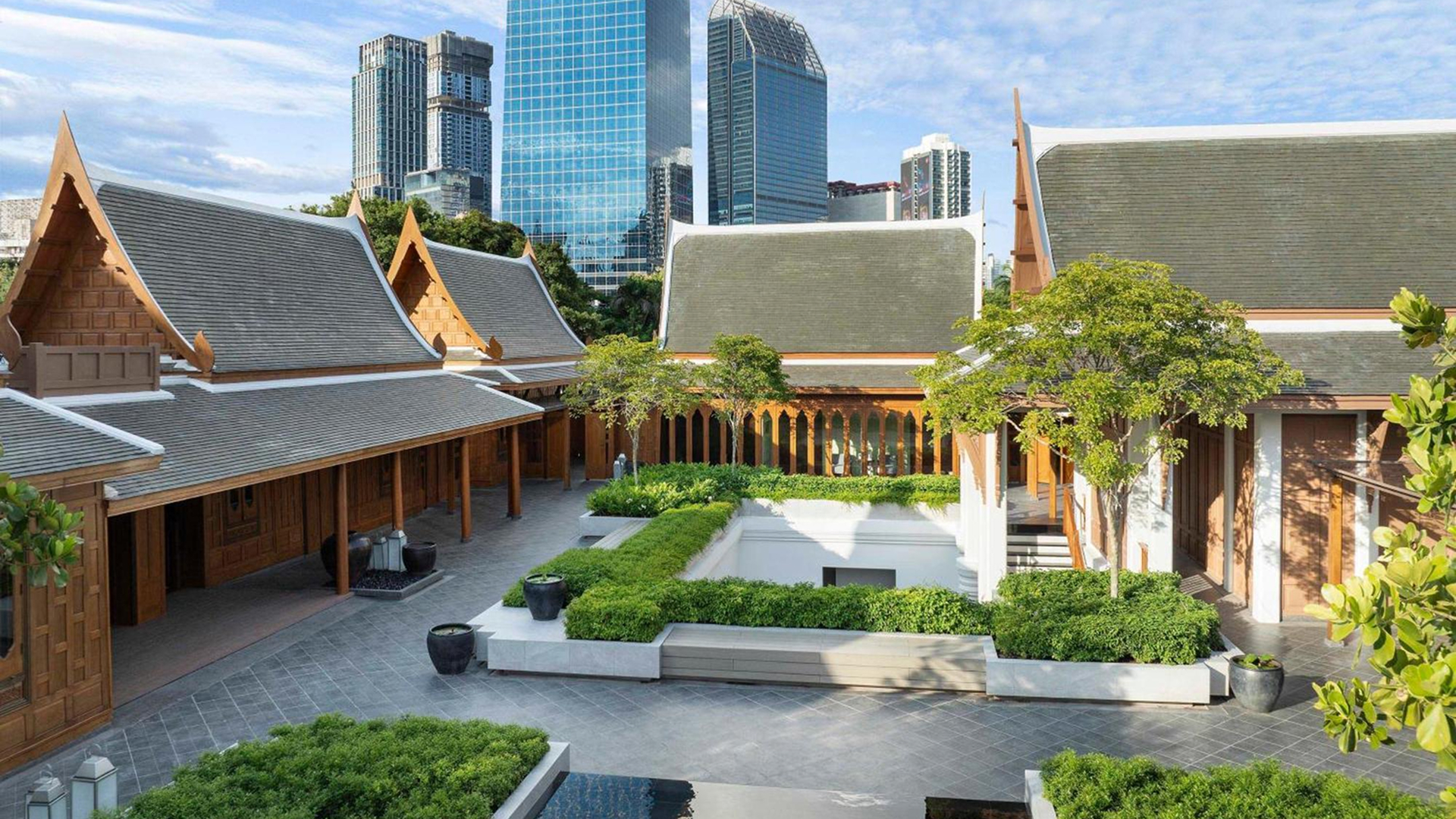
Capella Bangkok integrates architecture, service, and guest rhythm through consistent operational discipline. Arrival experience, dining interactions, and room service all reflect the same calm attentiveness. This continuity strengthens trust and reinforces perceived value.
Coherence defines premium perception
Luxury hospitality depends on alignment between digital identity, spatial experience, and operational delivery. Guests build confidence when every touchpoint reinforces the same logic. Fragmentation weakens credibility because inconsistency signals lack of control.
Hotels that maintain coherence strengthen guest trust, simplify decision making, and support long term positioning. The experience feels effortless because nothing contradicts the original promise.
If you want to identify where your hospitality experience loses alignment across brand, space, and operations, you can review your current guest journey with Epikure and refine the touchpoints that shape premium perception.
.jpeg)