A growing luxury market
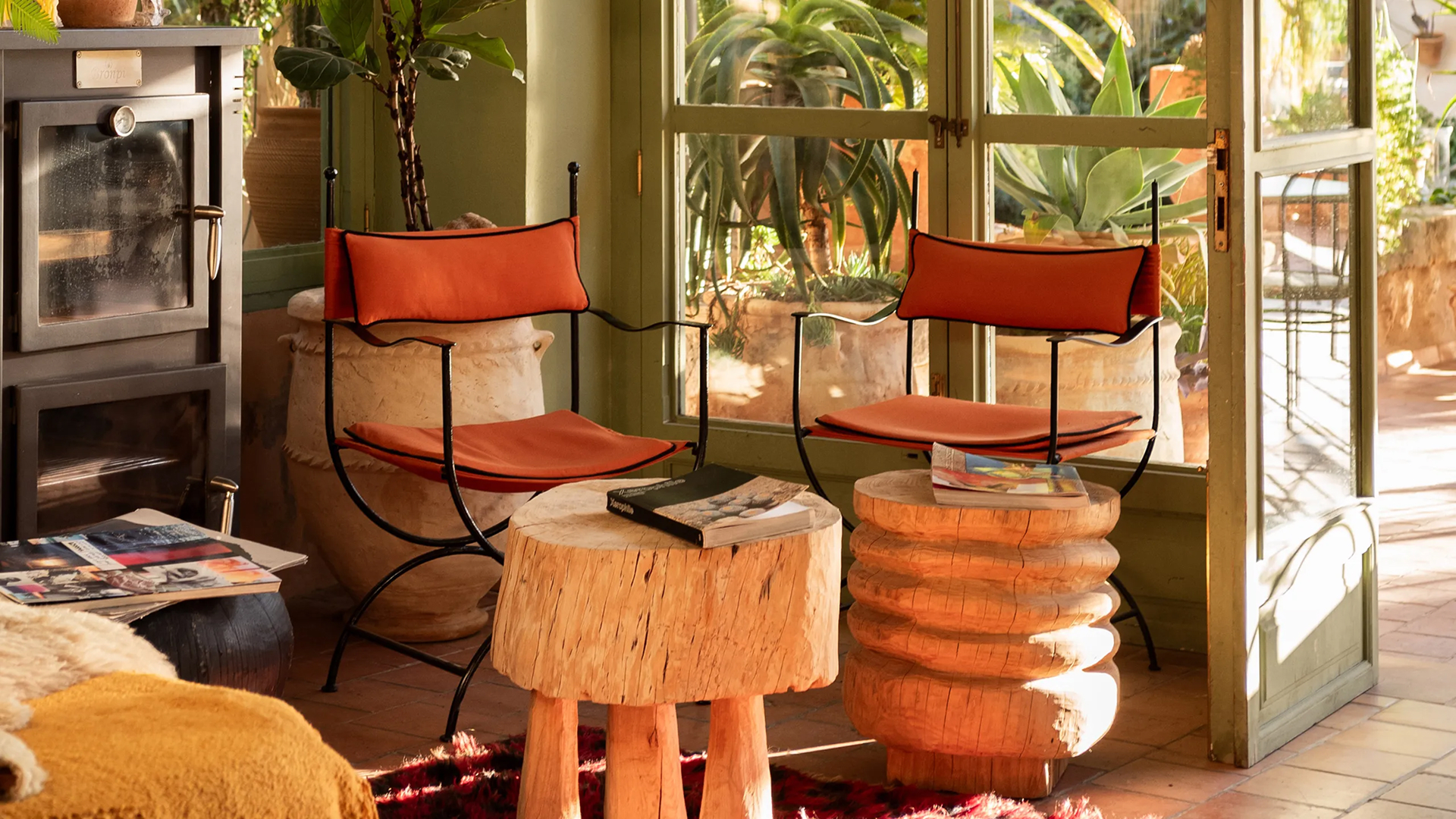
Bali’s luxury hospitality market has seen explosive growth over the past decade, driven by increasing international demand, affluent tourists, and a diverse range of luxury accommodations. The island continues to be a top destination for travelers seeking premium experiences, from five-star resorts to exclusive private villas and boutique hotels. According to Bali’s Tourism Office, over 6 million international visitors arrived in 2019, a large portion of which were high-net-worth individuals seeking opulence, comfort, and a taste of Bali’s rich culture.
The emergence of Bali as a luxury hub
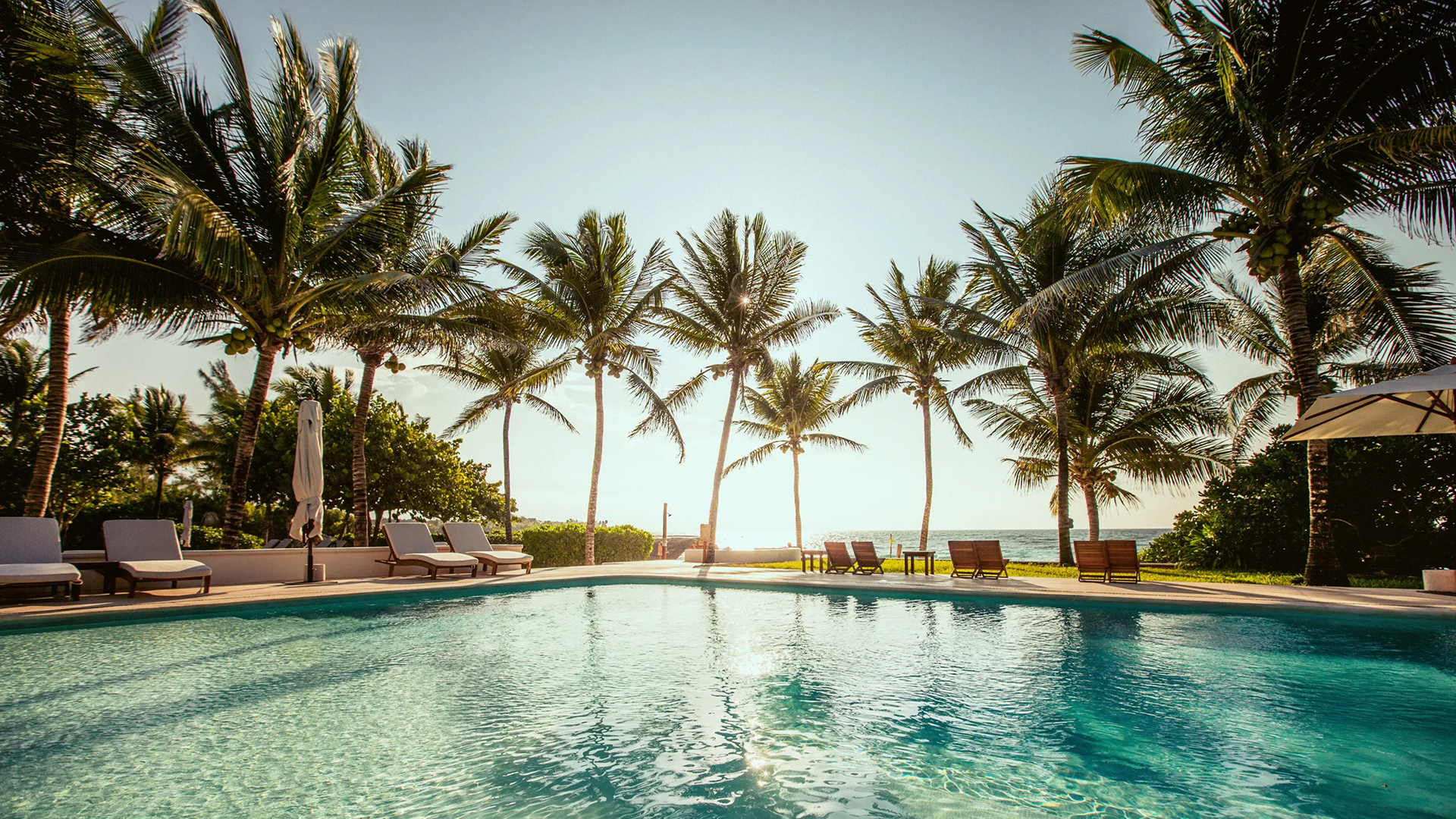
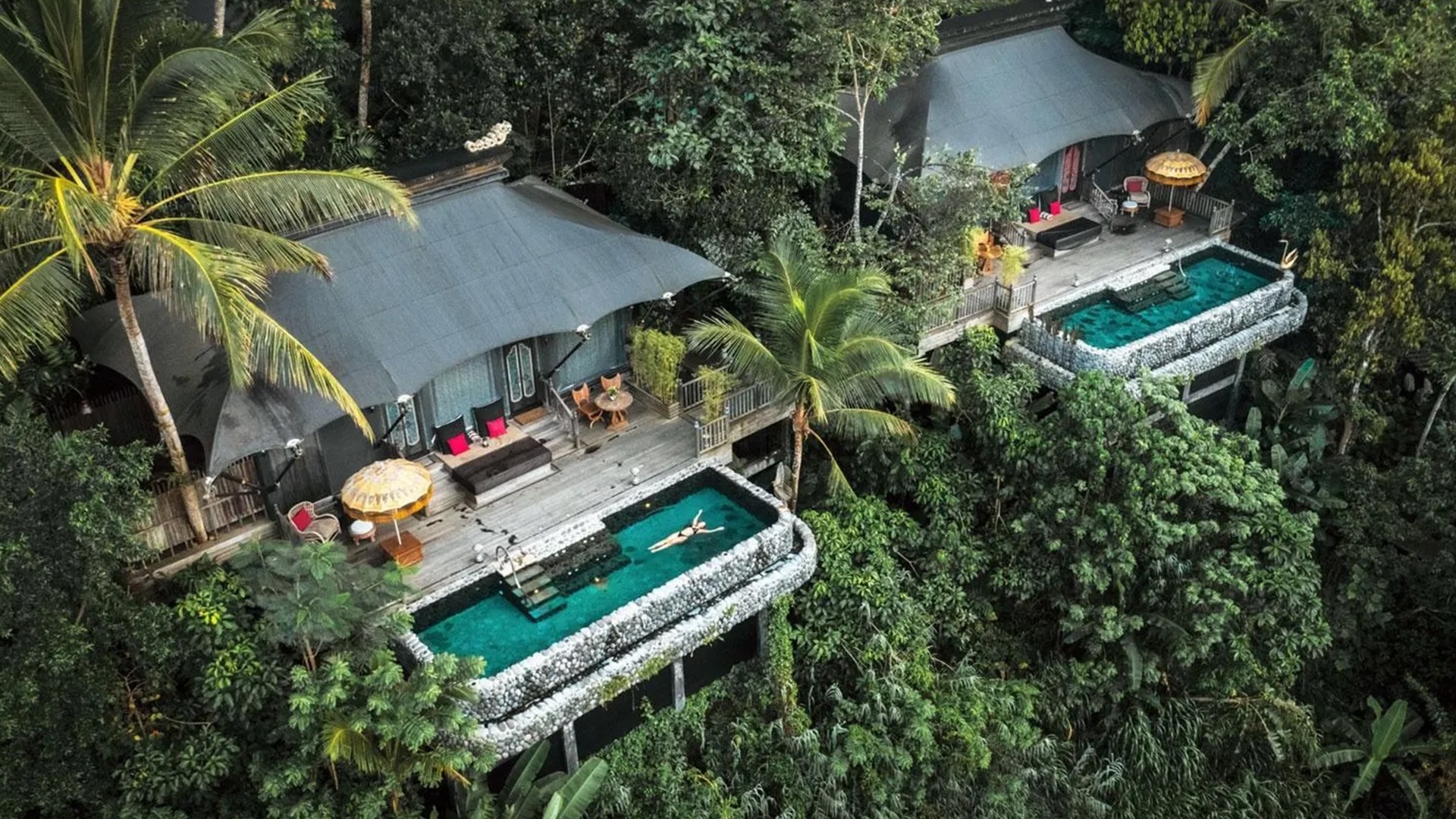
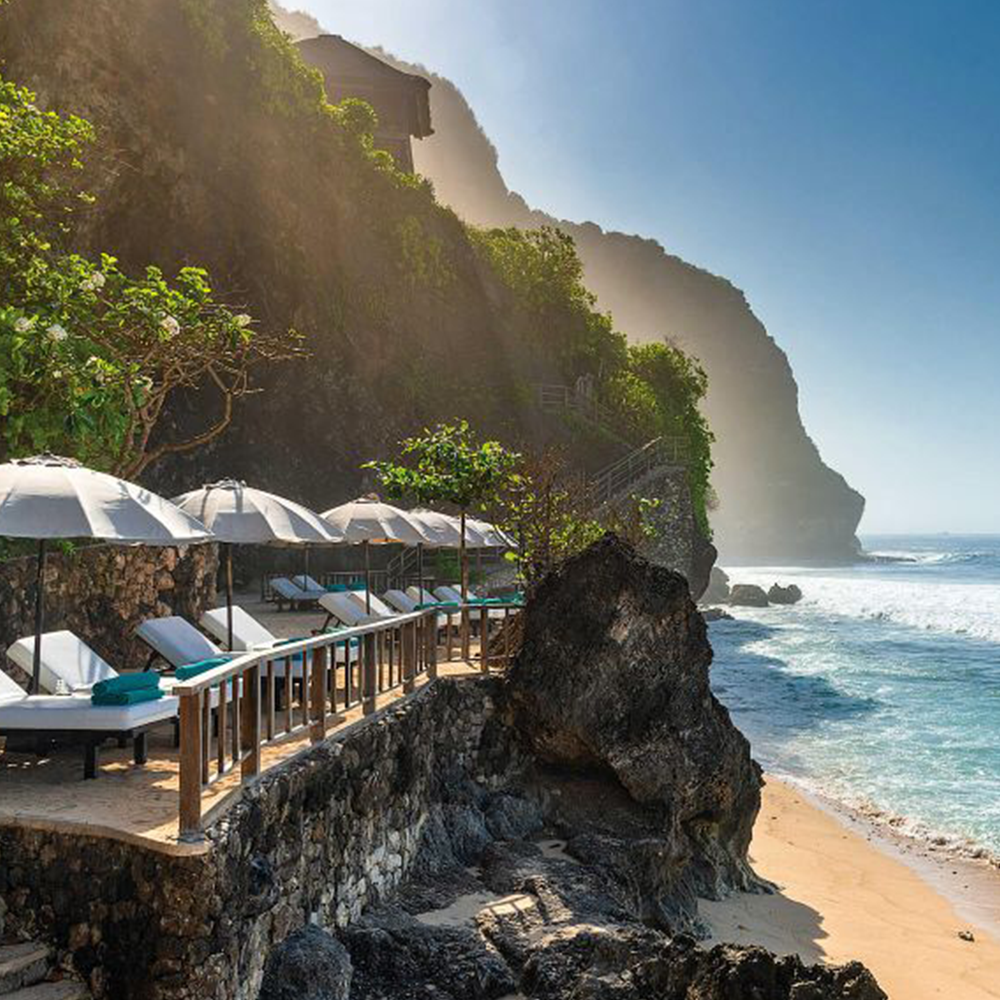
Historically known for its backpacker-friendly accommodations, Bali has rapidly transitioned into a global luxury hotspot. Over the years, the island has welcomed international luxury brands like Four Seasons and Aman, marking the beginning of Bali’s emergence as a luxury haven. This shift has been fueled by its unique blend of rich cultural heritage, natural beauty, and unmatched hospitality, creating an irresistible allure for the affluent traveler. The island now boasts more than 120 luxury hotels and resorts, offering everything from cliffside villas to private beachfront properties.
Market trends driving Bali’s luxury growth
Bali’s luxury market continues to evolve in response to shifting consumer preferences. The rise of experience-based tourism, where travelers seek more than just luxurious accommodations but rather tailor-made experiences, has led to a surge in high-end offerings such as bespoke wellness retreats, exclusive dining experiences, and private cultural immersions. The Legian Bali, for instance, offers a mix of luxurious accommodations with curated experiences, making it a leading player in this trend.
Changing market trends
The luxury hospitality sector in Bali has witnessed significant trends that continue to define its growth. From an increasing demand for wellness retreats to a surge in tech-enabled guest experiences, Bali is quickly becoming a leader in hospitality innovation.
Wellness tourism: a new standard in luxury
The wellness trend has become synonymous with luxury in Bali, where resorts like Como Shambhala Estate and Fivelements Retreat have redefined the idea of a luxury escape. Wellness-focused services such as yoga, meditation, spa treatments, and organic dining are no longer just perks—they have become expectations for high-end travelers. Bali’s natural surroundings provide an ideal environment for these experiences, where guests can rejuvenate their body and mind in secluded, serene settings.
Digitalization and technology integration in luxury hotels
Today’s luxury guests demand more than just luxury service—they expect seamless, personalized experiences powered by technology. From smart rooms at The St. Regis Bali to contactless check-in at Bulgari Resort Bali, digital innovations are becoming integral to guest experiences. Artificial intelligence, room automation, and mobile apps are enhancing convenience and improving guest satisfaction in Bali’s luxury properties, ensuring that the tech-savvy traveler feels at home no matter where they stay.
Design trends and sustainability
As Bali’s luxury hospitality market matures, sustainability has become a top priority. Eco-conscious travelers are increasingly seeking out resorts that prioritize environmental responsibility without compromising on luxury. This shift is prompting hotels and resorts across Bali to adopt greener practices, from eco-friendly construction to sustainable tourism initiatives.
Sustainable architecture and green design
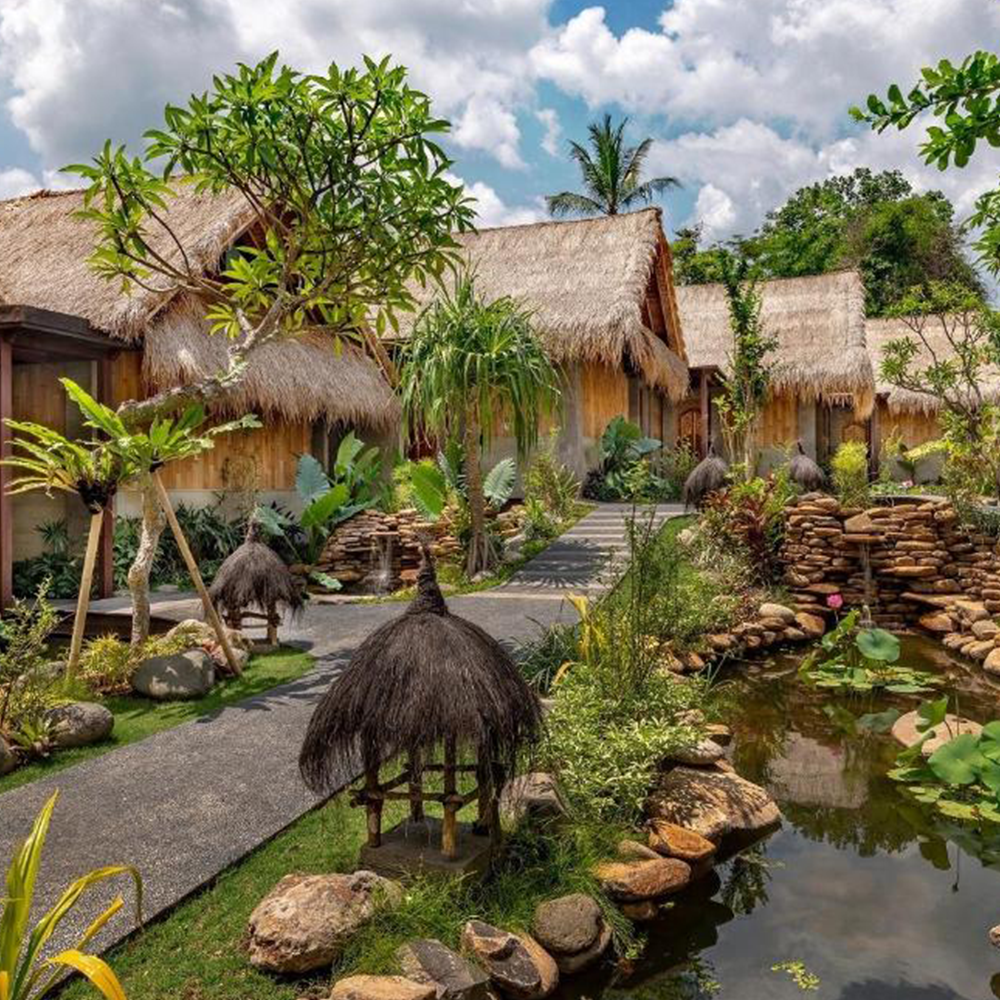
Bali’s luxury resorts are embracing sustainable architecture, with many incorporating locally sourced materials, energy-efficient designs, and green building practices. Alila Villas Uluwatu, for example, is a leading example of sustainable luxury, using local stone and thatched roofs while incorporating green technologies like rainwater harvesting and solar power. This emphasis on sustainability is not only about preserving the island’s natural beauty—it’s also about aligning with the values of today’s environmentally conscious luxury travelers.
Eco-friendly resorts and responsible travel
Bali’s luxury hospitality brands are increasingly investing in eco-friendly initiatives that contribute to the island’s sustainability efforts. From reducing plastic waste to promoting local, sustainable agriculture, resorts like Green Village Bali are setting an example for the industry. Guests at these properties are encouraged to engage in responsible travel practices, including supporting local artisans, choosing sustainable tours, and minimizing their environmental footprint during their stay. As the demand for responsible luxury grows, Bali’s hospitality market is well-positioned to meet these expectations.