The rise of sustainability in luxury hospitality
Why sustainability matters to luxury brands
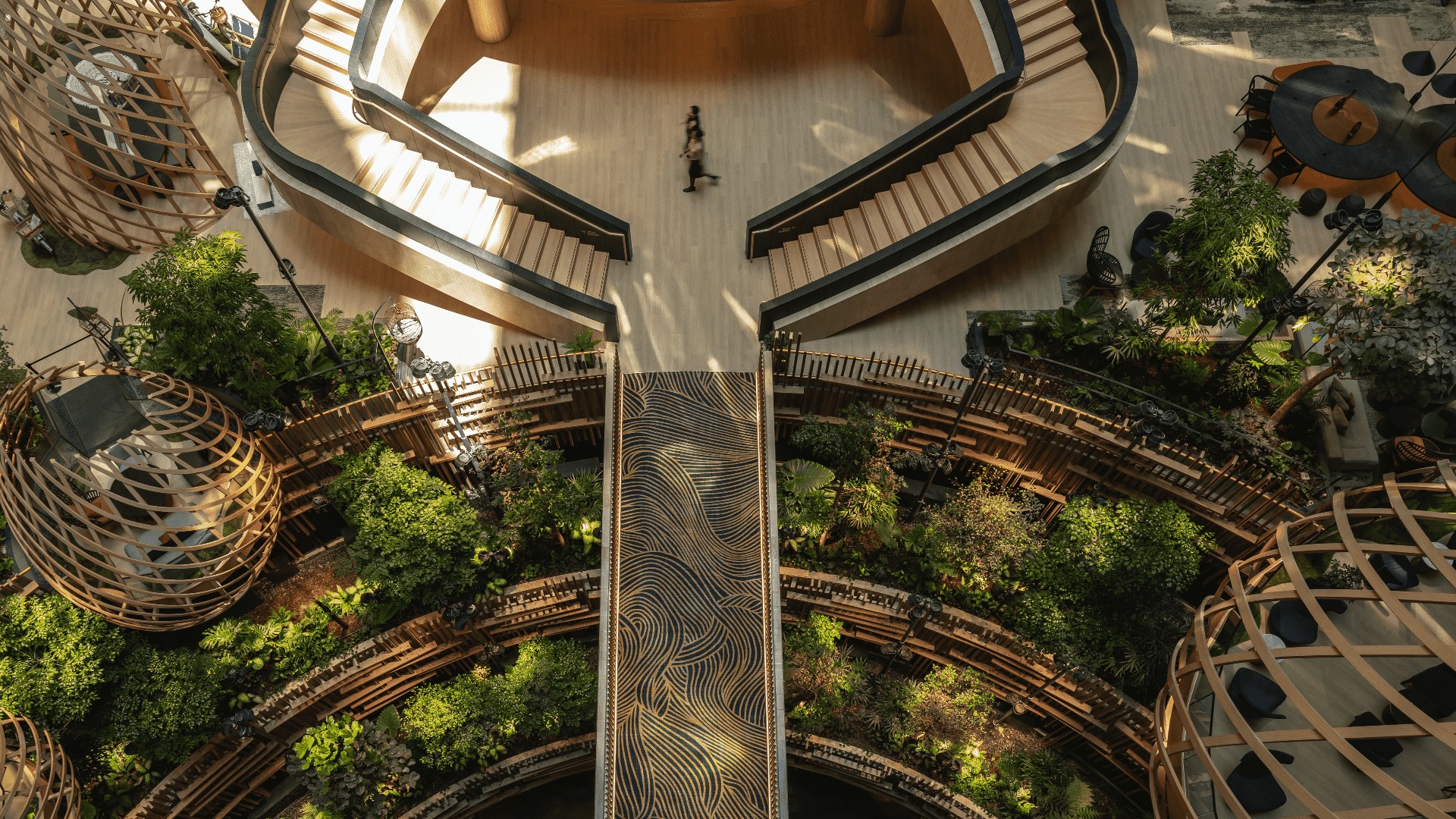
As luxury consumers become more environmentally conscious, brands like Aman Resorts and Six Senses have embraced sustainability as a core pillar of their identity. Aman, for instance, showcases eco-friendly practices such as reducing plastic waste and supporting local biodiversity through films that highlight their serene, natural settings.
Filmmaking as a powerful medium
Video content helps brands convey their sustainability story in an engaging way. Studies show that 84% of consumers feel more likely to trust brands that showcase their efforts through storytelling, making video a critical tool for luxury marketing.
Real examples of sustainability storytelling
Six Senses recently released a series of short films emphasizing their "Plastic-Free 2025" initiative. These videos captured everything from the collection of ocean plastic to the creation of eco-friendly alternatives, gaining 3 million views and increasing website traffic by 18%.
Storytelling through cinematic visuals
How filmmaking creates emotional resonance
Cinematic storytelling elevates sustainability from a checklist to a compelling narrative. For luxury hospitality, this means using techniques like aerial shots of unspoiled landscapes or close-ups of local artisans at work.
The role of immersive imagery
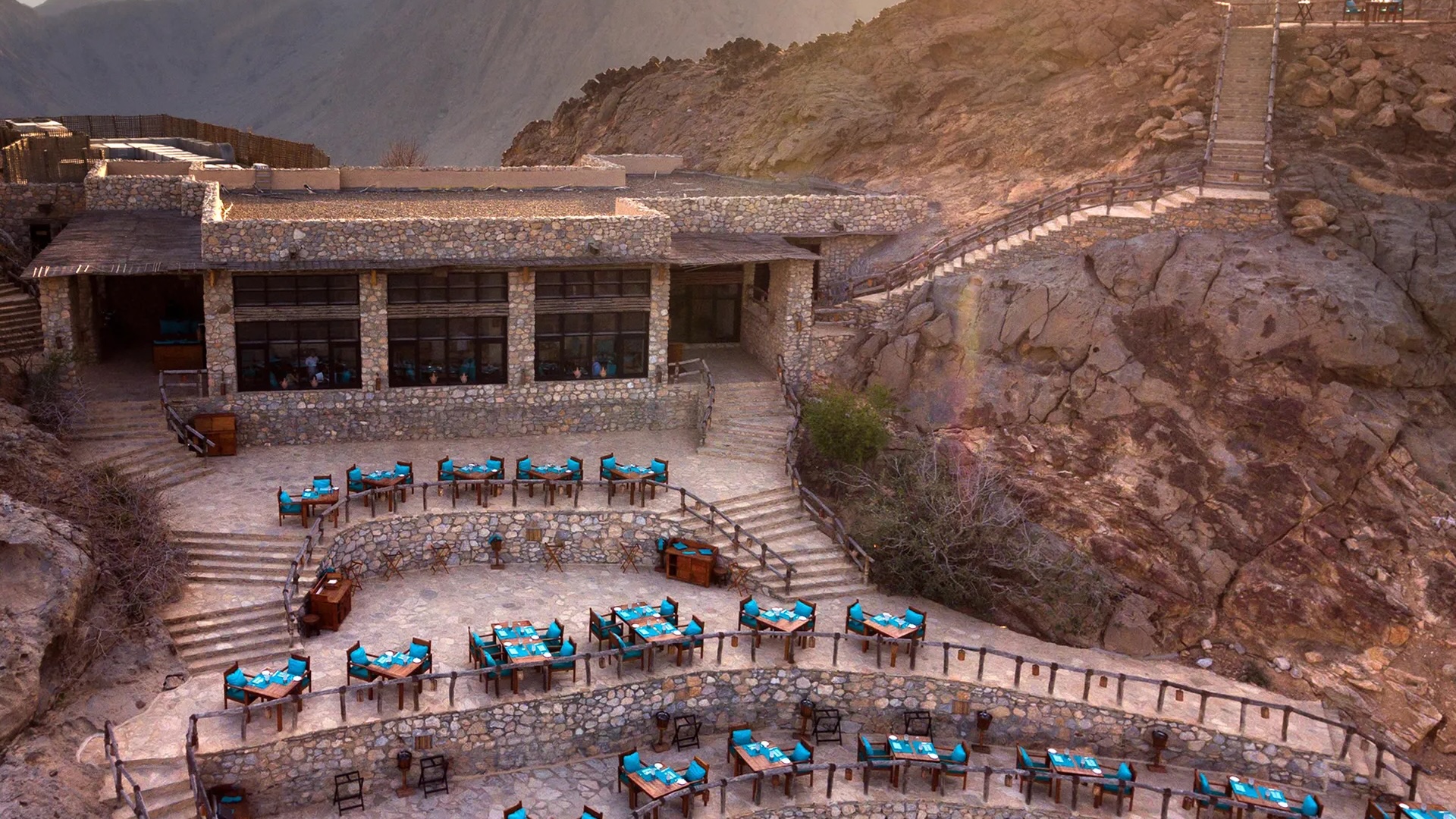
High-quality visuals create an emotional response. For example, Aman’s video campaigns often include tranquil drone shots of their properties, blending pristine nature with human moments to evoke a sense of harmony and care.
Impact on audience perception
According to a report by Wyzowl, 72% of travelers are more likely to choose sustainable brands after watching emotionally resonant video content. This highlights the importance of storytelling in influencing consumer behavior.

Brands leading the way in visual sustainability storytelling
The role of filmmaking in luxury branding
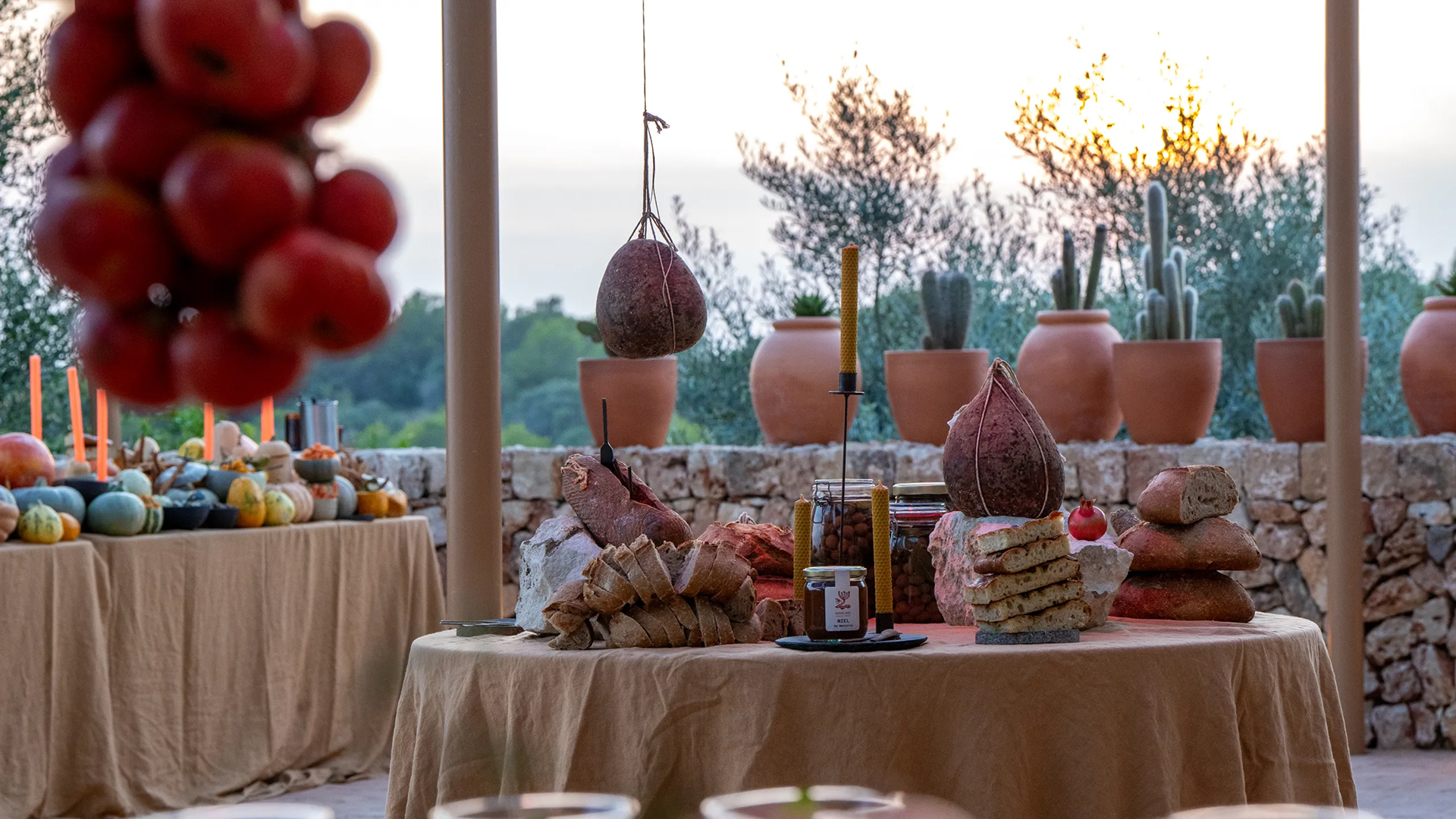
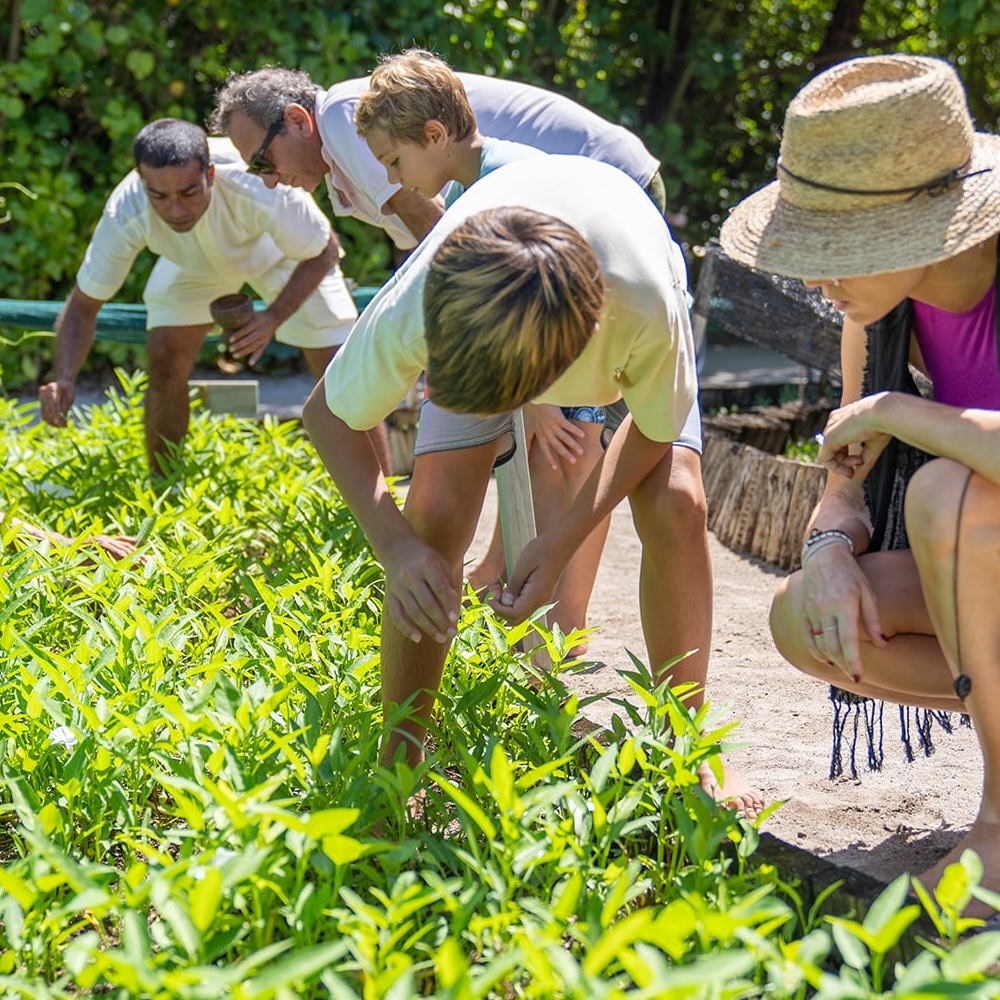
Filmmaking enables luxury brands to present their sustainability initiatives as part of a larger lifestyle. Belmond, for instance, created a video series spotlighting local producers who supply their restaurants with organic ingredients, showcasing their support for community and authenticity.
Techniques that connect luxury with responsibility
Storytelling techniques such as following the journey of an ingredient—like farm-to-table produce or hand-woven fabrics—allow brands to engage their audience on a personal level. These stories bridge the gap between luxury and responsibility, showing that opulence can coexist with ethical practices.