Why Visual Storytelling Matters for Luxury Hospitality
Luxury hotels as lifestyle destinations
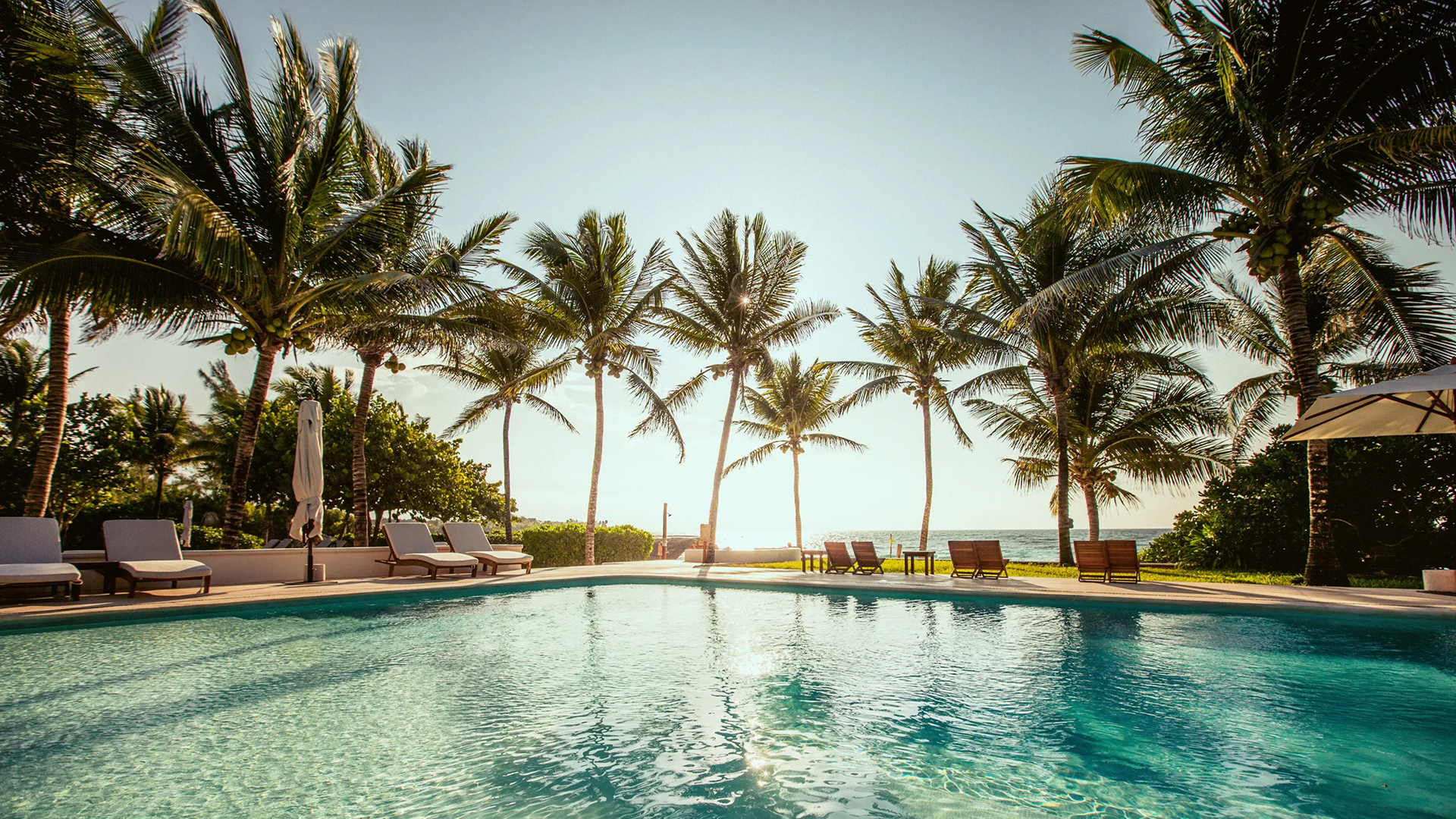
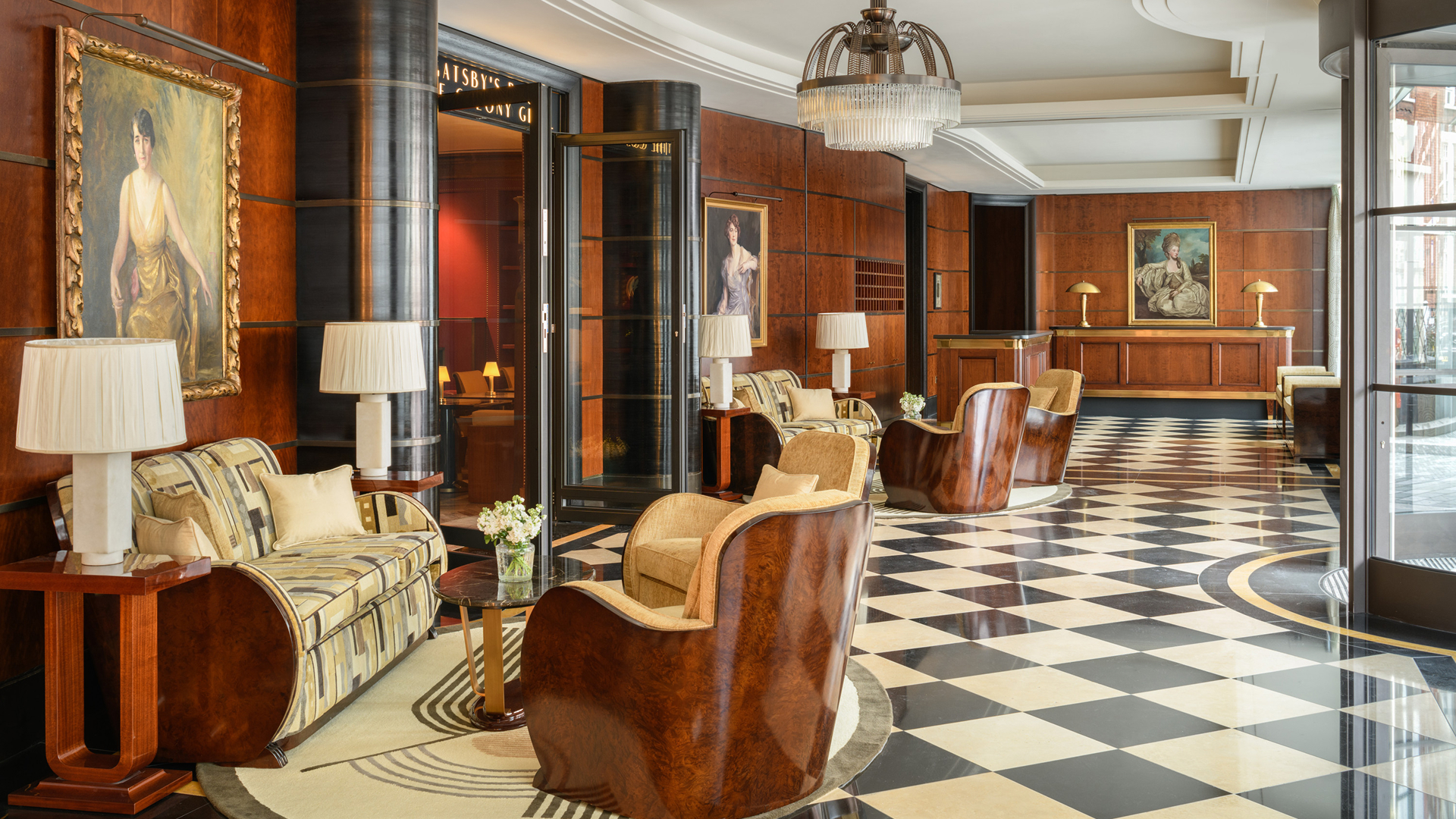
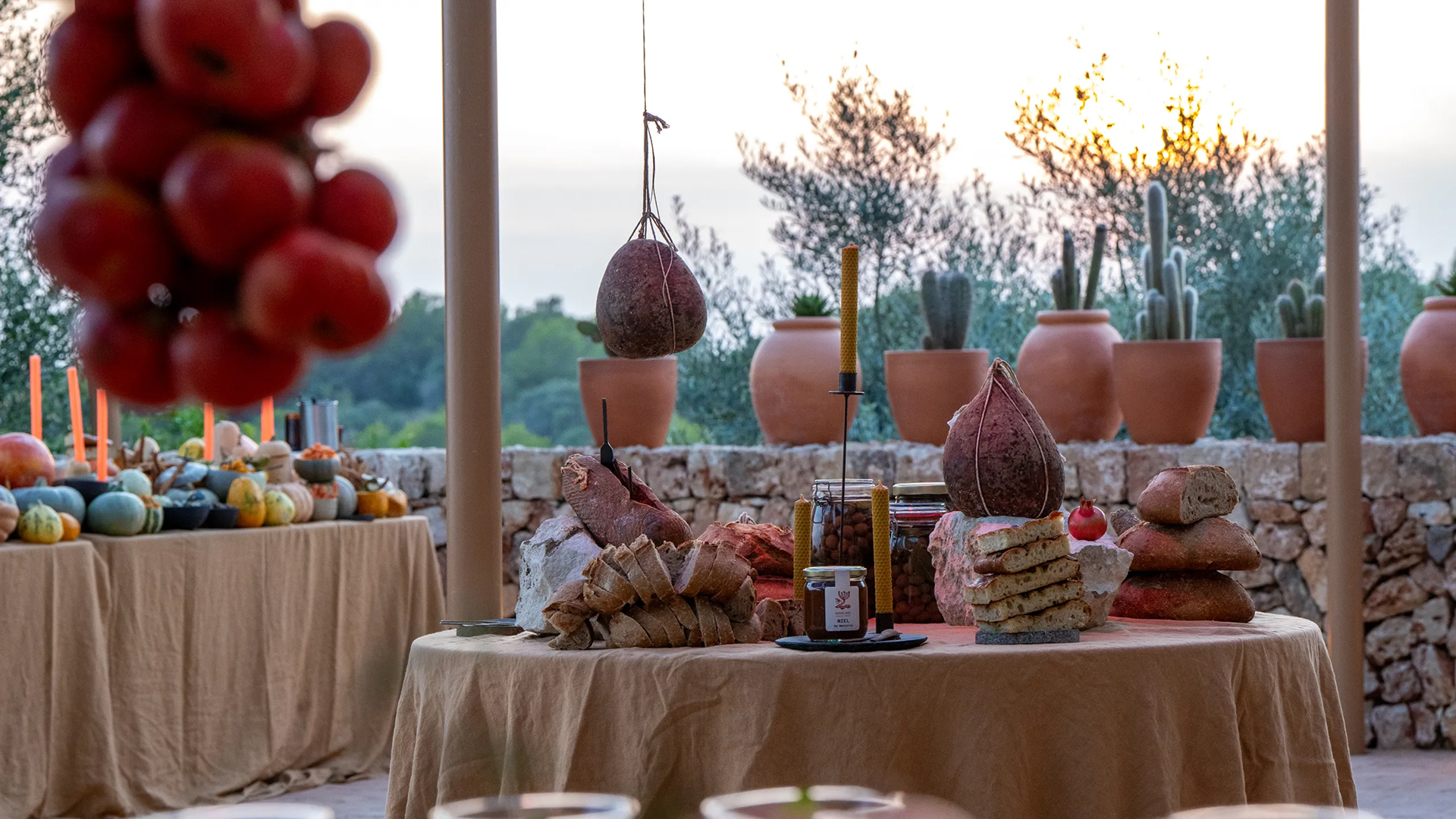
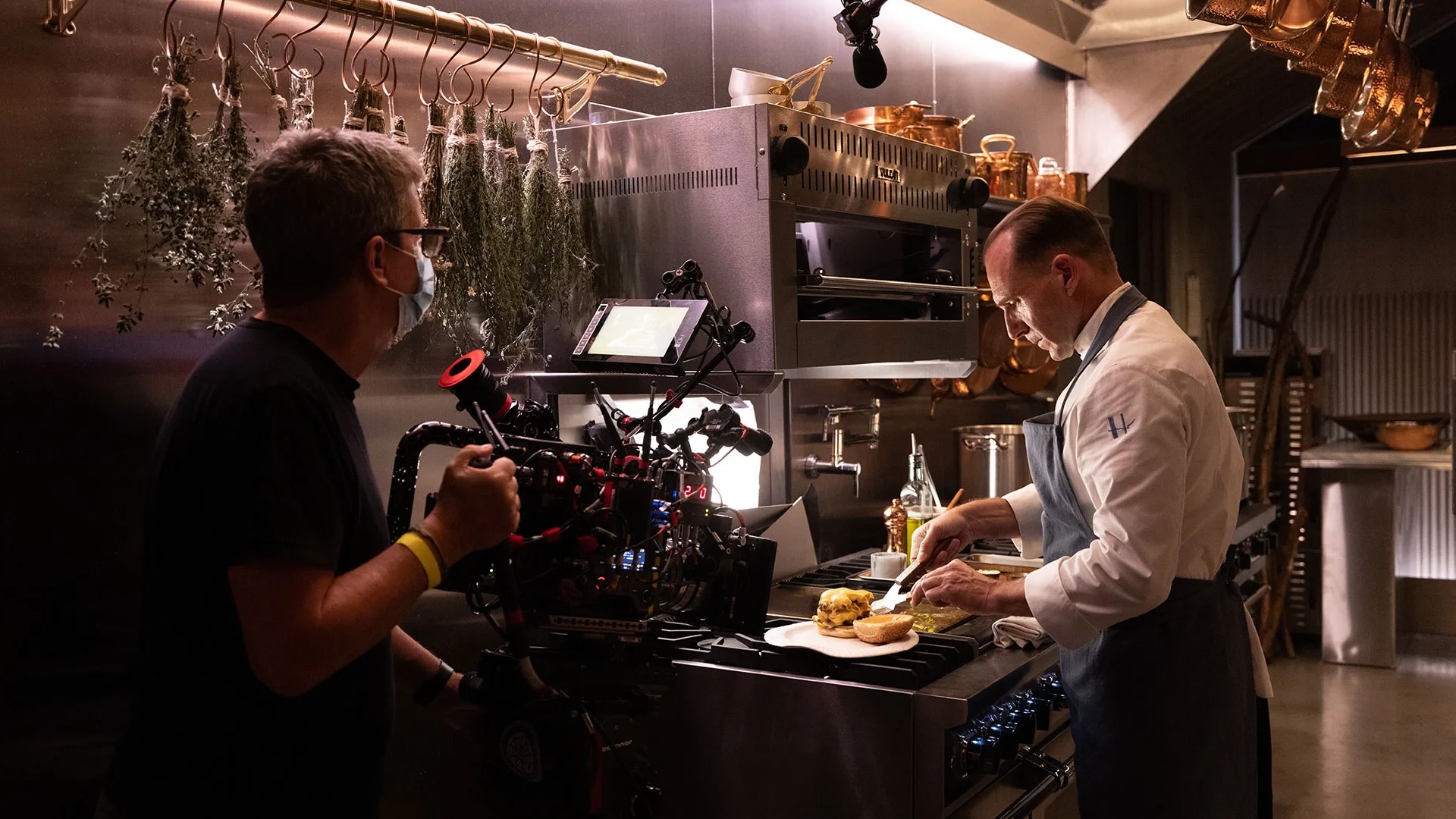
Luxury hotels are no longer just about offering accommodation—they represent a lifestyle. Through immersive films, brands like Four Seasons and Belmond invite potential guests into their world, highlighting not only the amenities but also the ethos and culture behind the brand.
The rise of immersive content
The global video marketing industry is projected to reach $120 billion by 2030, with 86% of businesses already using video as a marketing tool. Luxury hotels are at the forefront of this trend, understanding that 72% of travelers are more likely to book a stay after watching high-quality video content.
Real-life examples of effective filmmaking
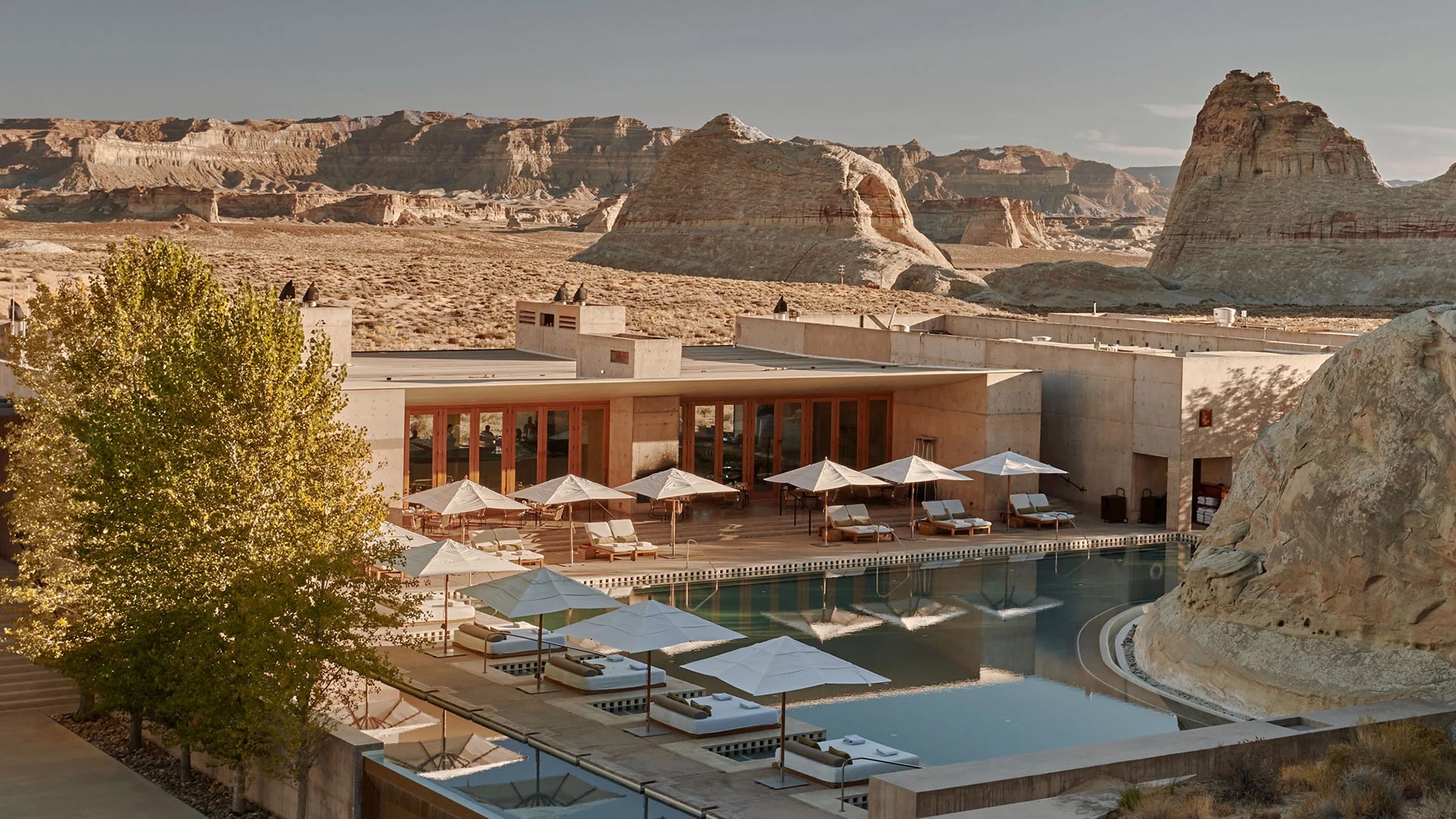
Aman Resorts launched a series of short films featuring serene drone shots of its properties intertwined with candid moments from guests. These videos have led to a 30% increase in direct bookings, according to a company report.
The Role of Professional Filmmakers in Luxury Restaurants
Targeting high-end clientele through visuals
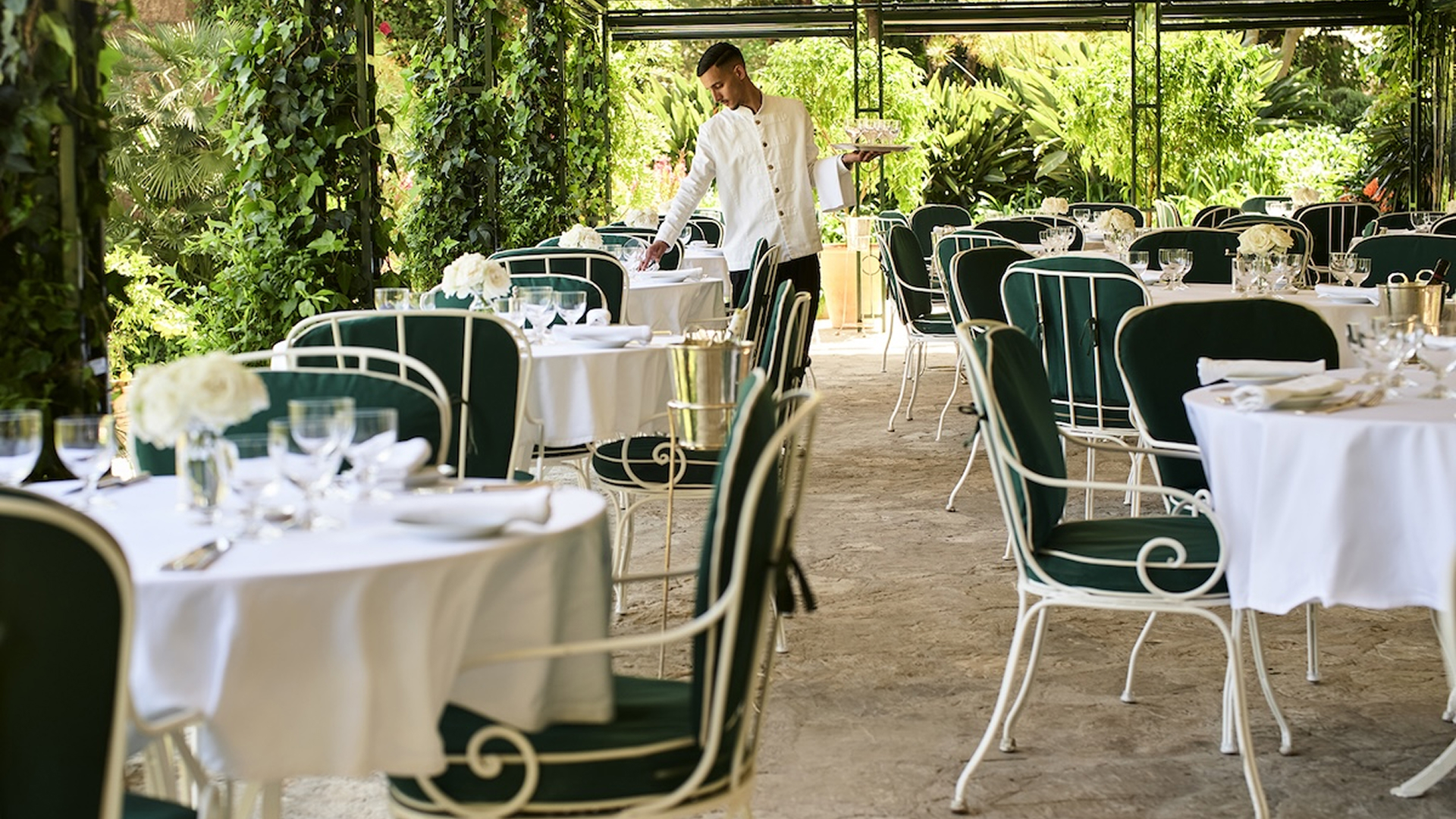
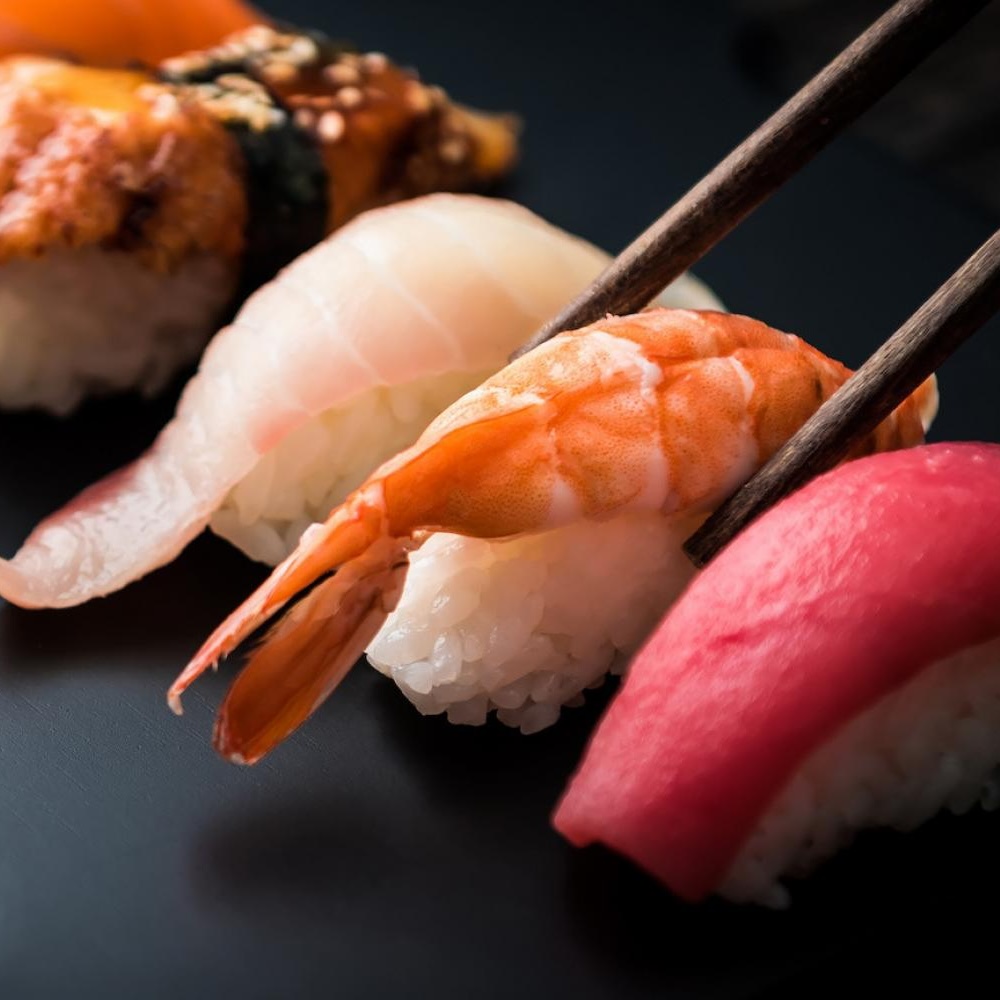
Restaurants like Noma and Zuma use filmmakers to convey their dining experiences as more than meals—they’re sensory journeys. By showcasing exquisite dishes, intricate preparation techniques, and ambient settings, these films appeal directly to food connoisseurs.
Market trends in video marketing for restaurants
As of 2024, 88% of diners check social media or websites before dining out. Restaurants leveraging professional video content see 24% higher engagement rates than those with static content.
How storytelling impacts restaurant branding
Consider Zuma’s "Behind the Chef" series, which highlighted the philosophy behind its menus. This campaign reached over 3 million viewers across platforms and significantly boosted social media followings, contributing to a 15% rise in first-time reservations.

How Market Evolution Shapes Video Content for Luxury Brands
Filmmaking as a response to evolving market dynamics
The luxury hospitality market has shifted focus toward personalization and sustainability. Filmmakers help brands convey these values by capturing moments of genuine interaction, local sourcing of ingredients, or eco-friendly practices.
Analytics behind immersive films
A report by Wyzowl found that 81% of businesses observed an increase in sales after incorporating video into their marketing strategies. For luxury hotels and restaurants, this translates to higher conversion rates among affluent customers, who are drawn by storytelling that resonates with their values.
The future of immersive hospitality films
As AI-driven video editing and interactive VR experiences gain traction, luxury brands can take immersive storytelling further. For example, using VR previews, potential guests could explore a private suite at Rosewood or experience dining at a chef’s table before making a reservation.