The growing demand for sustainable luxury
Davos and its connection to the hospitality industry
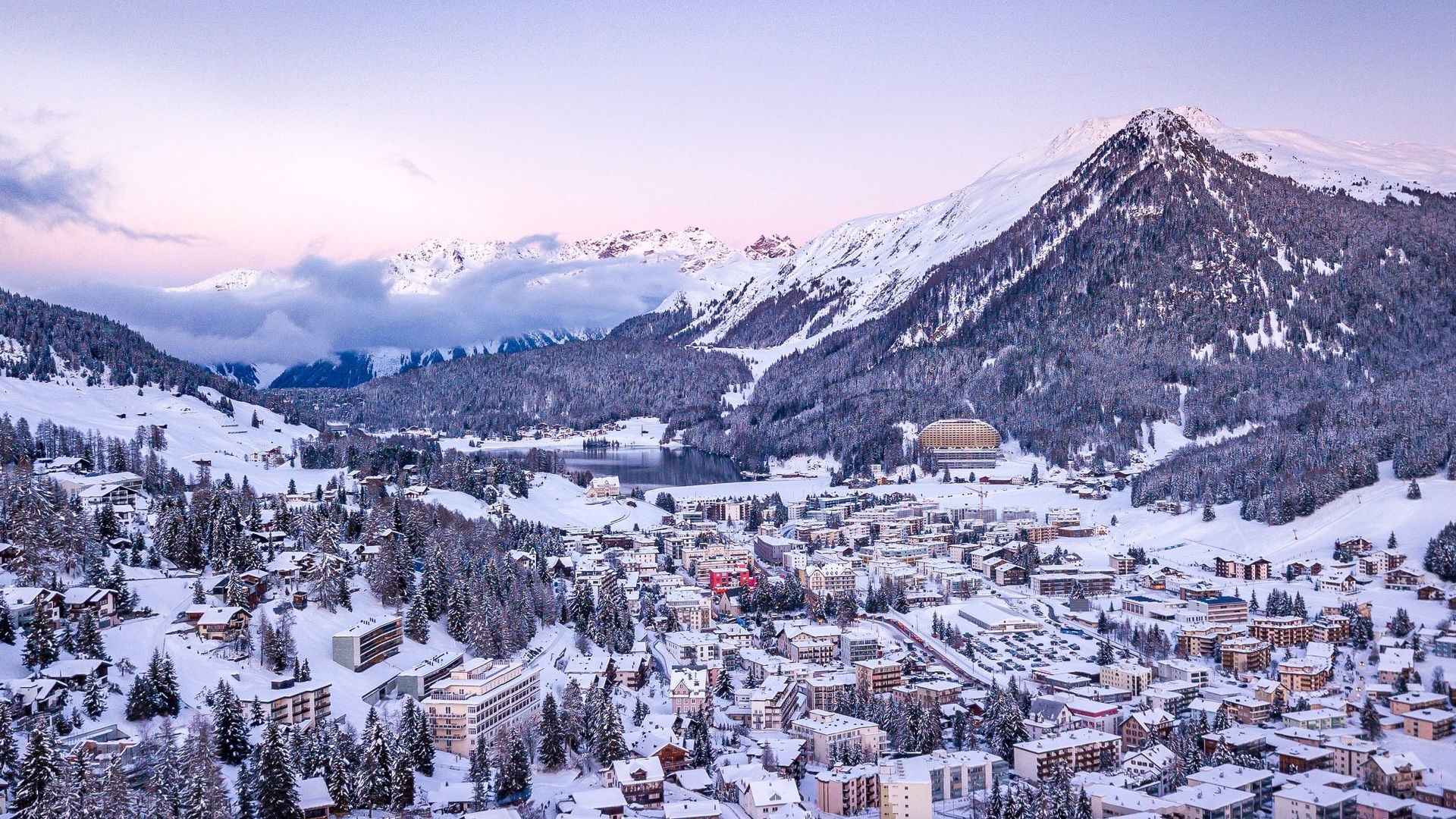
The World Economic Forum at Davos has long been a platform for addressing global challenges, and 2025 is no exception. This year, luxury hospitality takes center stage as experts and leaders discuss its role in fostering sustainable practices and leveraging technology to meet evolving consumer expectations. With tourism accounting for 8% of global carbon emissions, according to the WWTC, the hospitality sector faces mounting pressure to innovate and adapt. Davos 2025 presents a unique opportunity to explore actionable solutions and partnerships that drive change.
Sustainability is non-negotiable in hospitality
Luxury travelers increasingly demand eco-conscious accommodations, and brands are responding. According to a 2024 Booking.com survey, 76% of global travelers said they’d prefer sustainable travel options, a trend reflected in brands like Six Senses and 1 Hotels, known for their commitment to zero-waste policies and carbon-neutral operations.
The rise of eco-certifications
Properties certified by Green Globe or EarthCheck report a 15% higher average daily rate (ADR) compared to their competitors. Hotels adopting solar energy, water recycling systems, and locally sourced materials are thriving in a competitive market that values eco-innovation.
Local sourcing and community impact
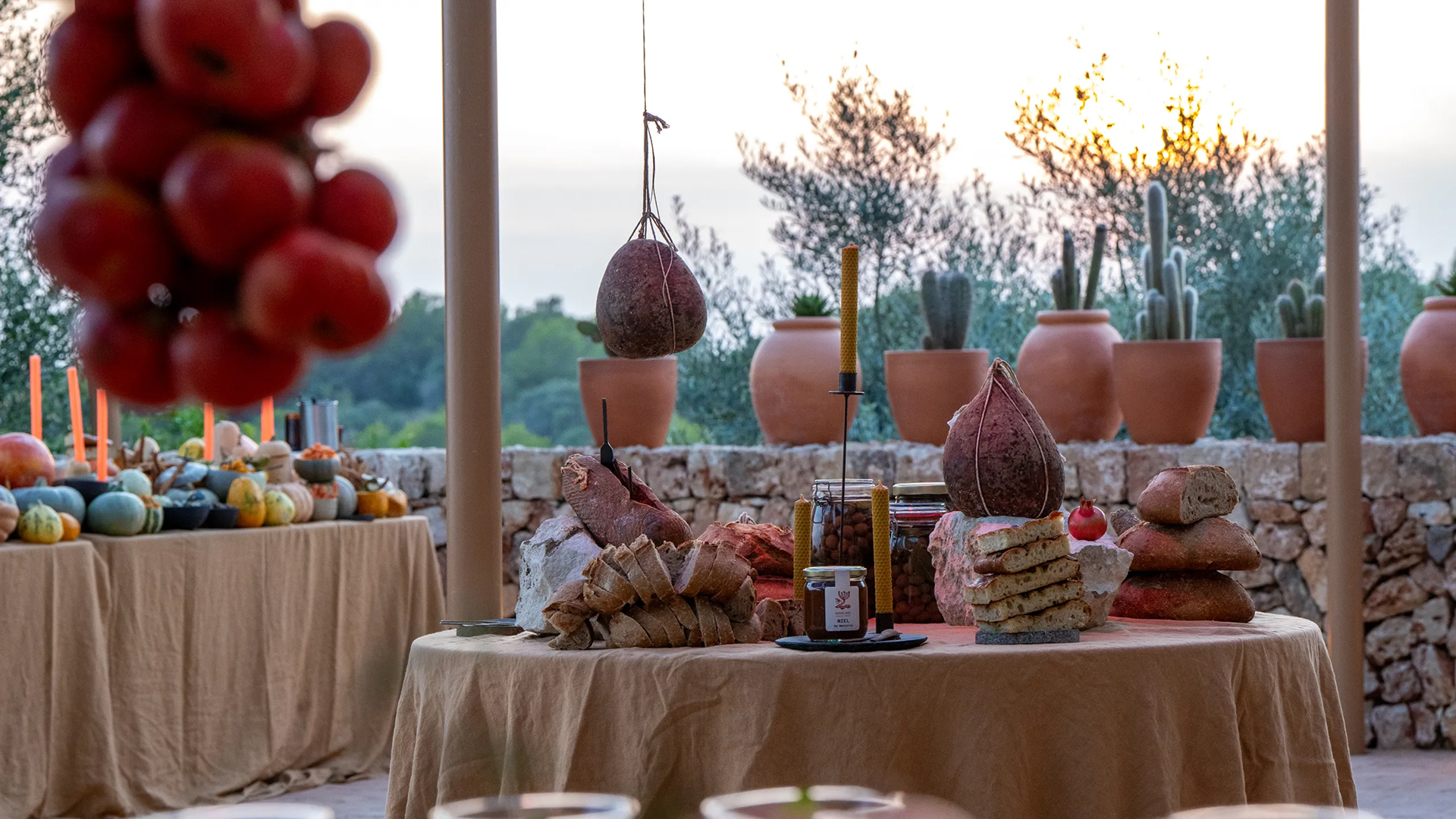
High-end resorts like Soneva in the Maldives embrace farm-to-table dining, supporting local farmers and reducing food miles. This approach not only boosts sustainability but also enhances guest experiences by providing authentic, local flavors.
Technology reshaping luxury hospitality
The rise of immersive guest experiences
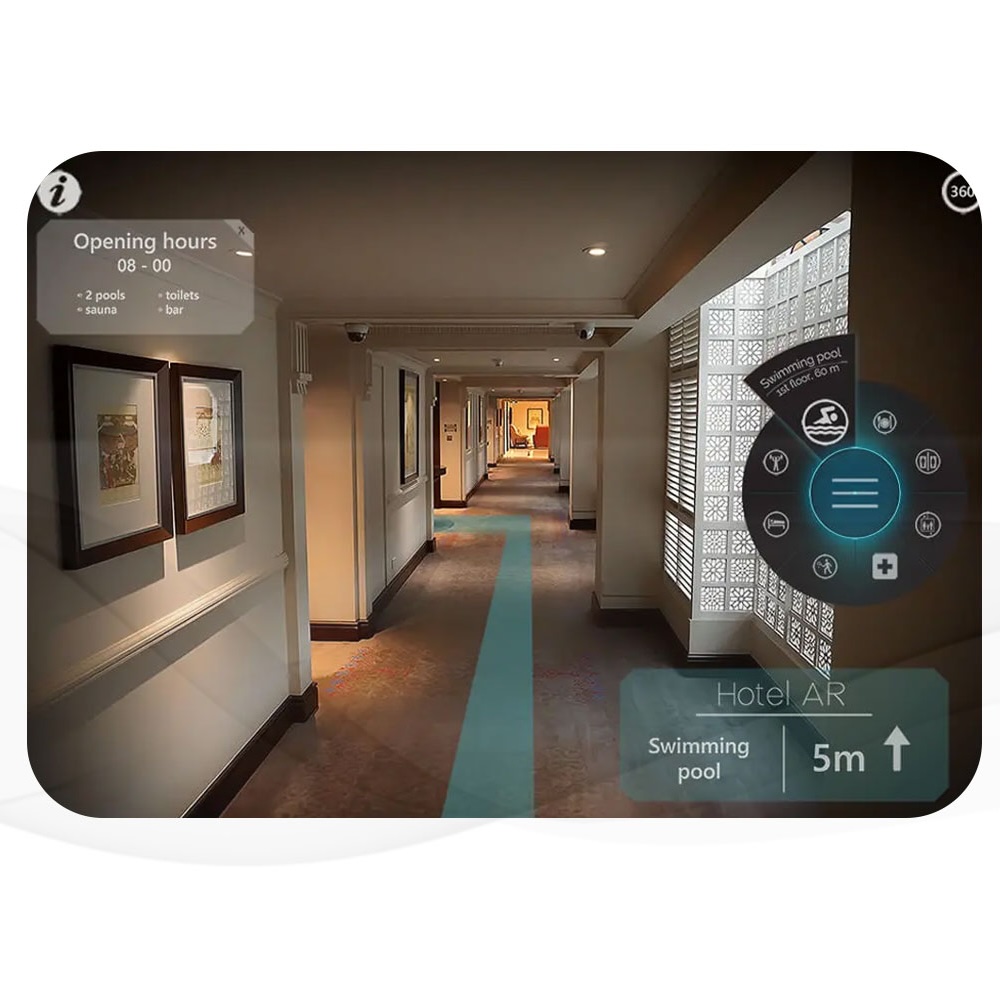
Advanced technologies like VR and AR are becoming essential tools for luxury properties. Marriott International, for example, offers VR tours that allow potential guests to explore suites and amenities virtually. Properties using such immersive tools see a 27% increase in booking rates, according to Statista.
Drones and cinematic storytelling
Drones are redefining property marketing, offering sweeping, dynamic visuals that captivate audiences. Epikure Studio has pioneering the use of drones and FPV technology to create immersive content for luxury resorts, showcasing not just spaces but emotions and stories that engage high-end travelers.
Smart rooms and AI-powered personalization
Guests now expect AI-driven personalization. Chains like Hilton use AI to anticipate guest preferences, from room temperature settings to meal preferences, creating seamless, tailored experiences. Properties implementing smart technologies have reported a 20% improvement in customer satisfaction, according to a Deloitte 2024 report.
Design trends driving the future of luxury
Biophilic design shaping luxury spaces
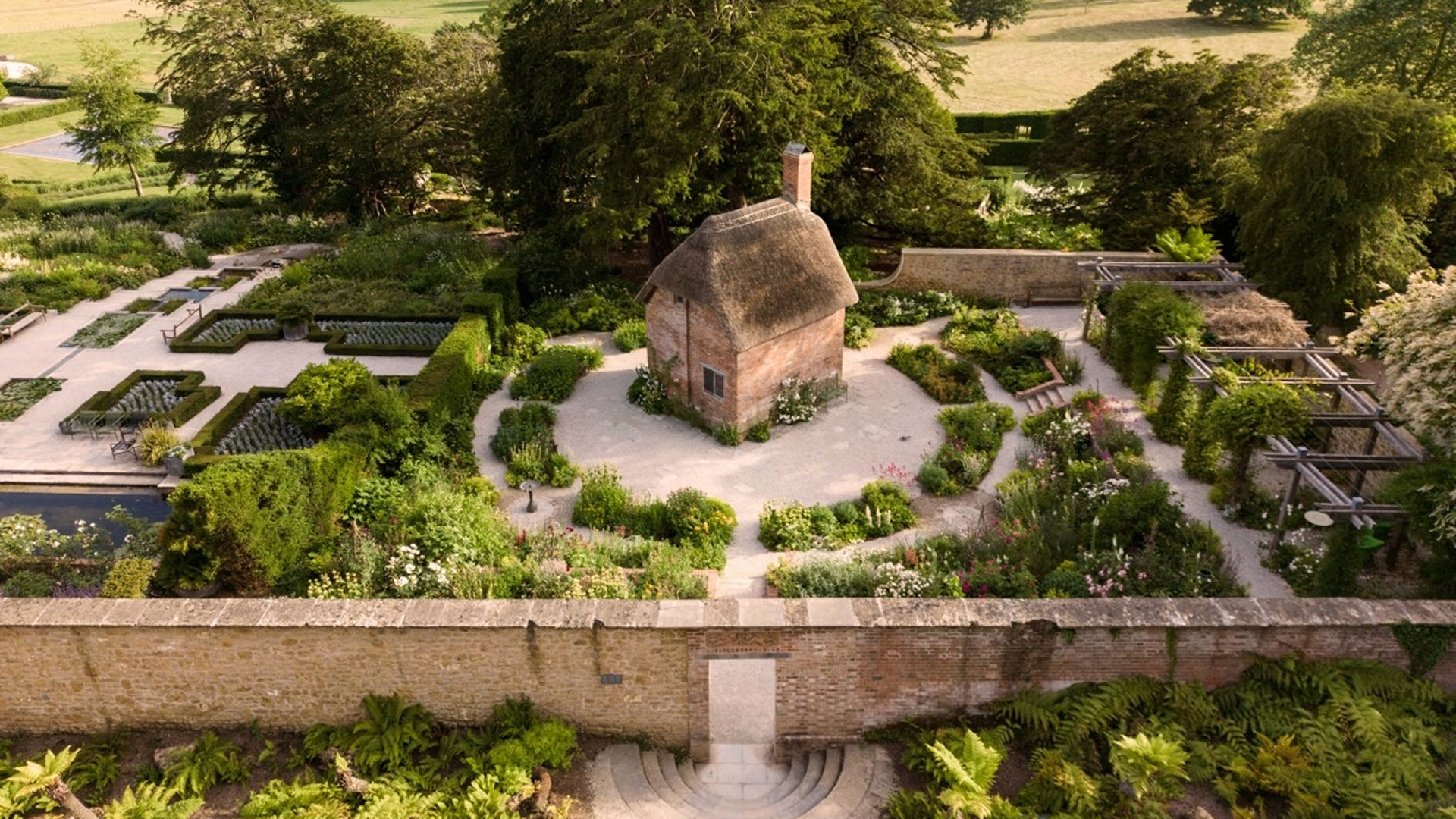
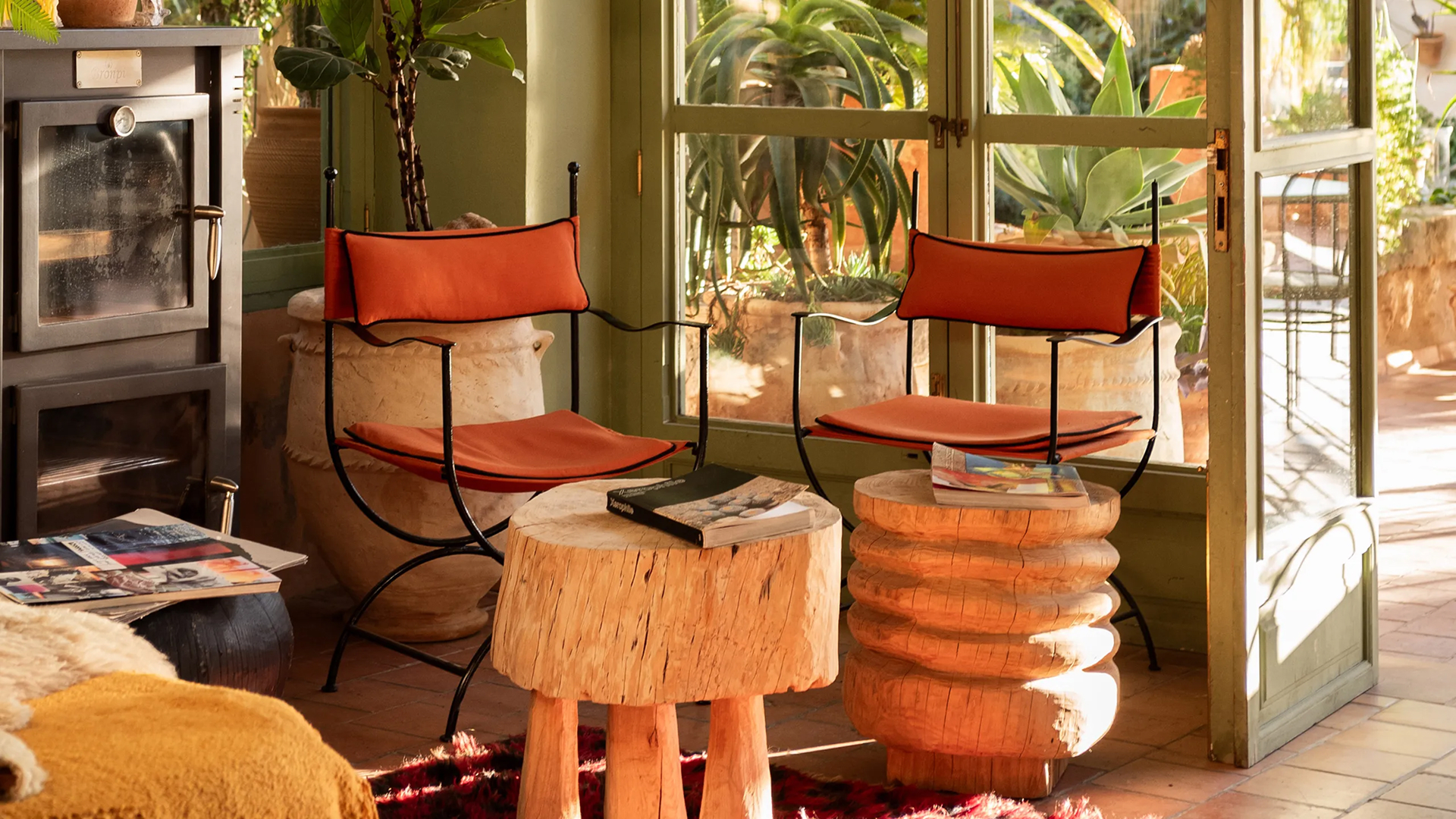
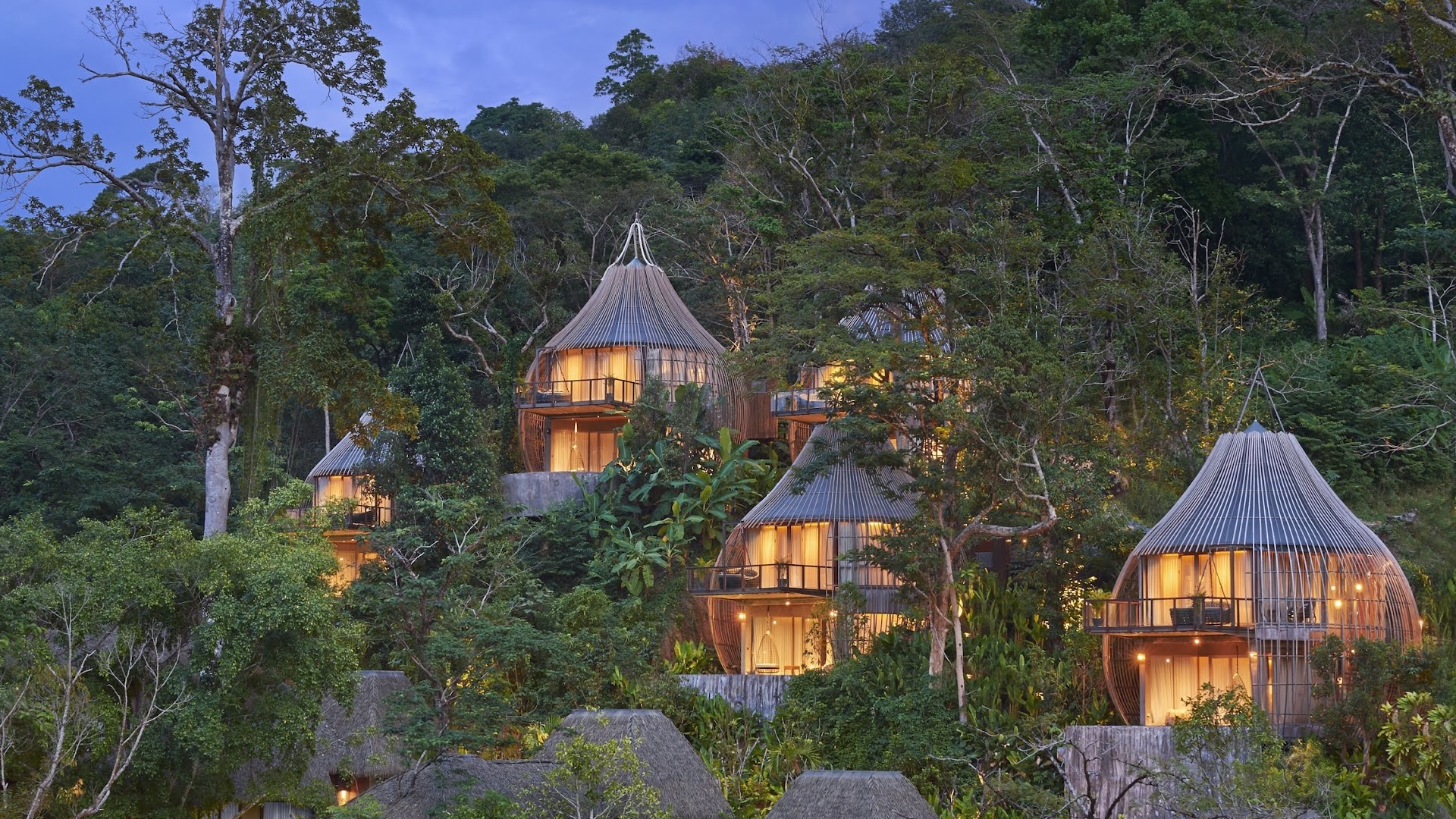
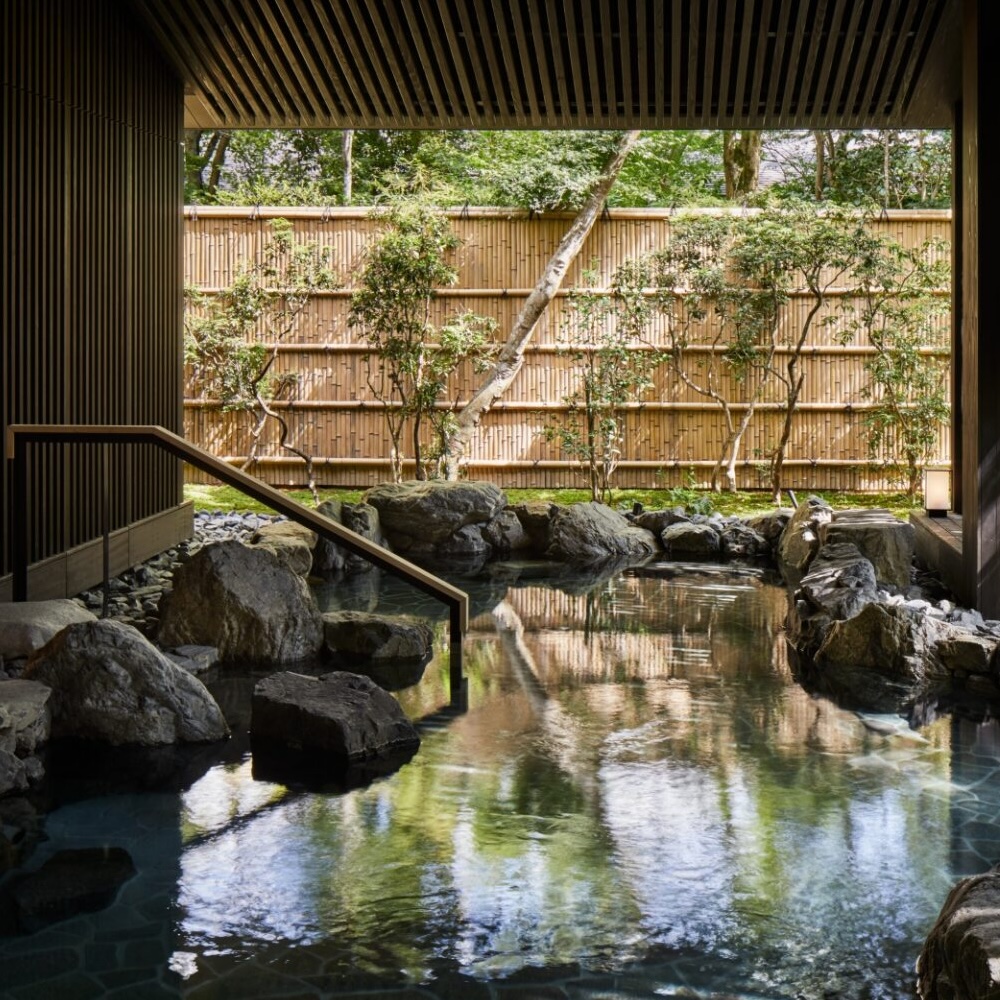
Biophilic design, integrating natural elements into architecture, has become a cornerstone of luxury hospitality. Hotels like Aman Kyoto blend modernity with nature, creating serene, immersive spaces that attract wellness-focused travelers.
Sustainability meets luxury in architecture
Luxury properties are leveraging sustainable materials like reclaimed wood, bamboo, and recycled steel. Zannier Hotels exemplifies this trend with minimalist designs that prioritize local craftsmanship while reducing environmental impact.
Minimalism with a focus on culture
Luxury travelers seek authenticity. Resorts such as Bvlgari Bali combine sleek modern designs with cultural motifs, offering guests an experience that feels both indulgent and rooted in heritage. This fusion of minimalism and culture is a defining trend for 2025.