
Build the story from what already makes the property distinctive
A memorable hotel story rarely starts with a slogan. It starts with material that belongs specifically to the property and gives guests a reason to understand it differently from nearby alternatives. History, architecture, ownership, cultural context or an unusual relationship with the destination can all provide substance, provided they influence the experience rather than remaining background information.
The history of the property should explain the present
Heritage becomes valuable when it helps guests understand why the hotel looks, feels or operates the way it does today. A chronology of dates rarely creates much emotional connection on its own, while a well-selected part of the property’s history can explain its architecture, objects, service style or relationship with the destination.
La Minervetta in Sorrento offers a useful example because its identity is closely tied to family history, the house itself and a collection of personal objects, art and furnishings gathered over time. The narrative works because these references remain visible inside the guest experience rather than living only on an About page.
For another hotel, the relevant story might come from a former industrial building, an agricultural estate or a family business. The editorial task is to identify which part of that history still shapes the current stay and give that element enough context to matter.
Founders give abstract values a human origin
Concepts such as slow living, craftsmanship, sustainability or local connection appear frequently in hospitality communication, which makes them difficult to own through language alone. A founder’s decisions can make those values more credible by showing where the idea came from and how it influenced the property.
Founder storytelling works best when it explains choices rather than personality for its own sake. Why was this destination chosen? Why does the hotel operate at a certain scale? Why were particular materials, suppliers or service rituals selected? These details give broader positioning statements evidence.
This also gives editorial teams a stronger source of content. Interviews, personal recommendations and stories behind individual decisions can develop the brand narrative over time without repeating the same descriptive copy about the hotel.
Design can carry narrative without explanation
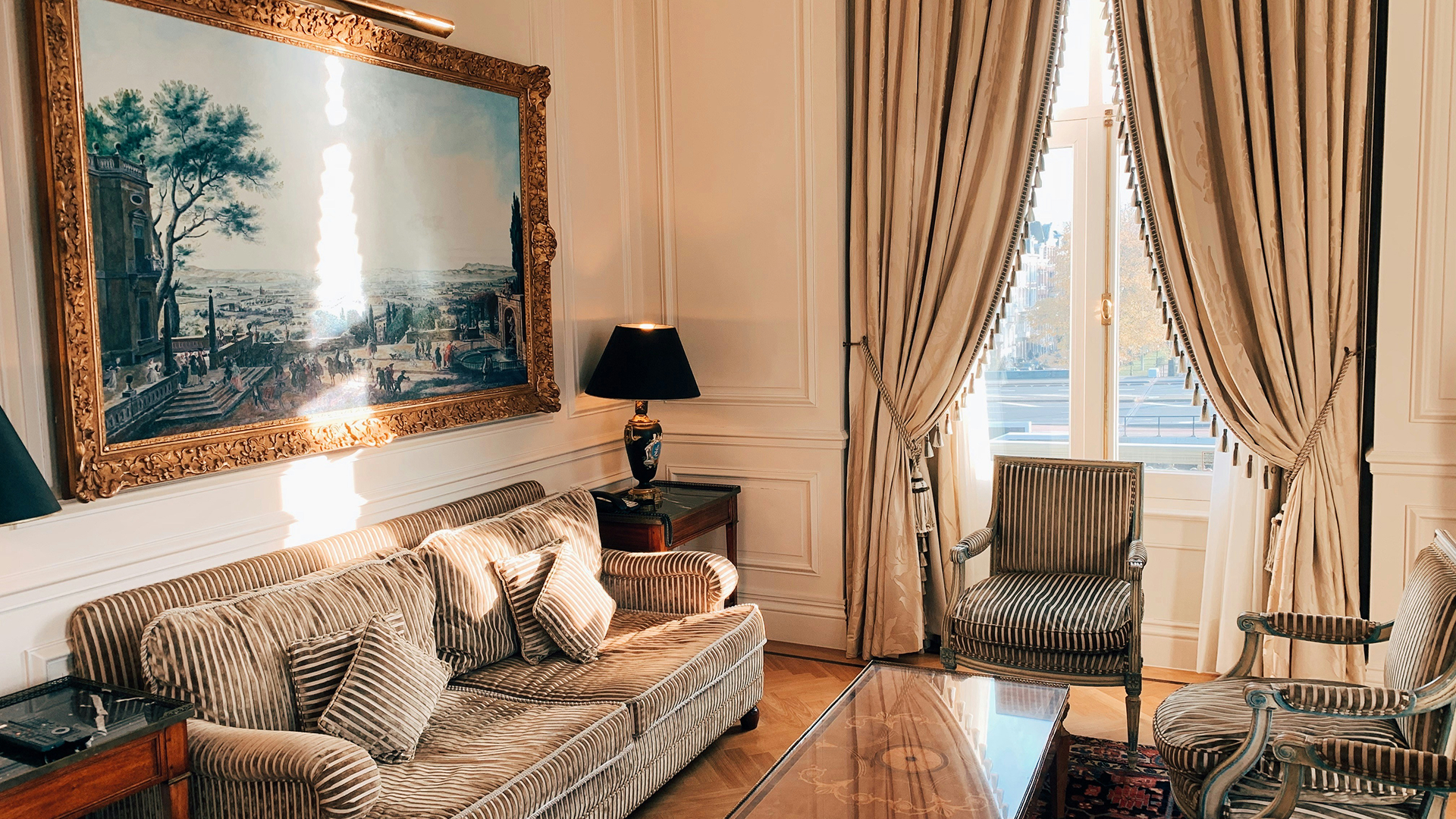
Architecture and interiors already communicate information before a guest reads anything. Materials can reveal local construction traditions, room layouts can express privacy or sociability, and collected objects can connect the property to a specific place or period.
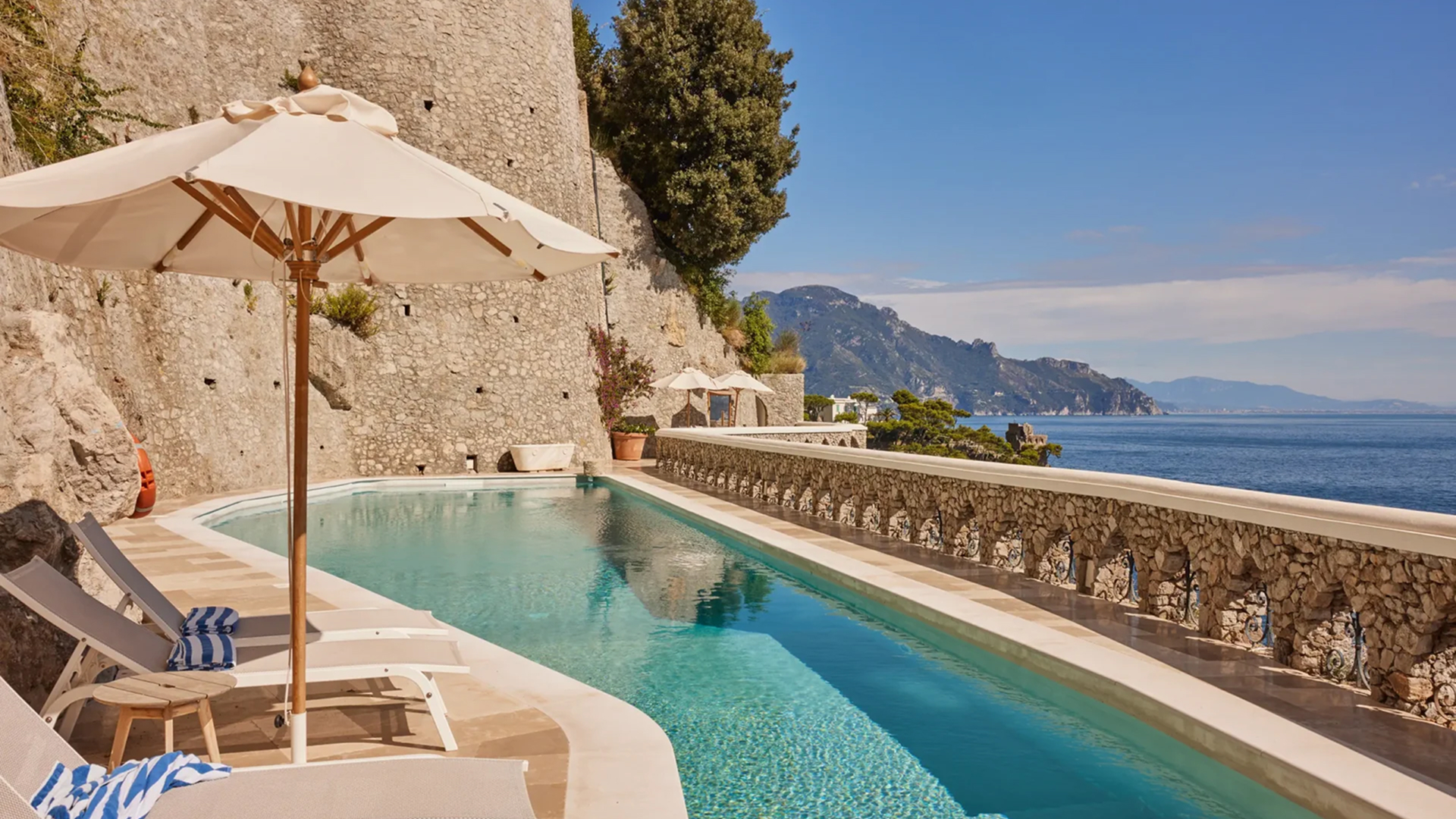
Cap Rocat derives much of its identity from its setting inside a restored 19th-century fortress overlooking the Bay of Palma, which gives the property a narrative foundation that photography and editorial content can develop without inventing a separate concept.
The strongest brand storytelling for hotels pays attention to these existing signals. Copy then adds context where it is useful, rather than explaining what the guest can already see.
Turn the destination and guest experience into narrative material
A hotel becomes easier to remember when its story extends beyond the building and into the way guests experience time, place and service. This gives hospitality storytelling more depth because the narrative continues during the stay instead of ending once the traveller has finished reading the website.
Destination storytelling should go beyond location
Saying that a hotel is “in the heart of” a city or “surrounded by nature” provides location information without establishing a point of view. More distinctive destination storytelling shows guests how the property interprets its surroundings.
A hotel can highlight a neighbourhood through the places its team genuinely recommends, connect food content with regional producers or explain how seasons alter the experience. The destination then becomes part of the brand rather than a generic backdrop.
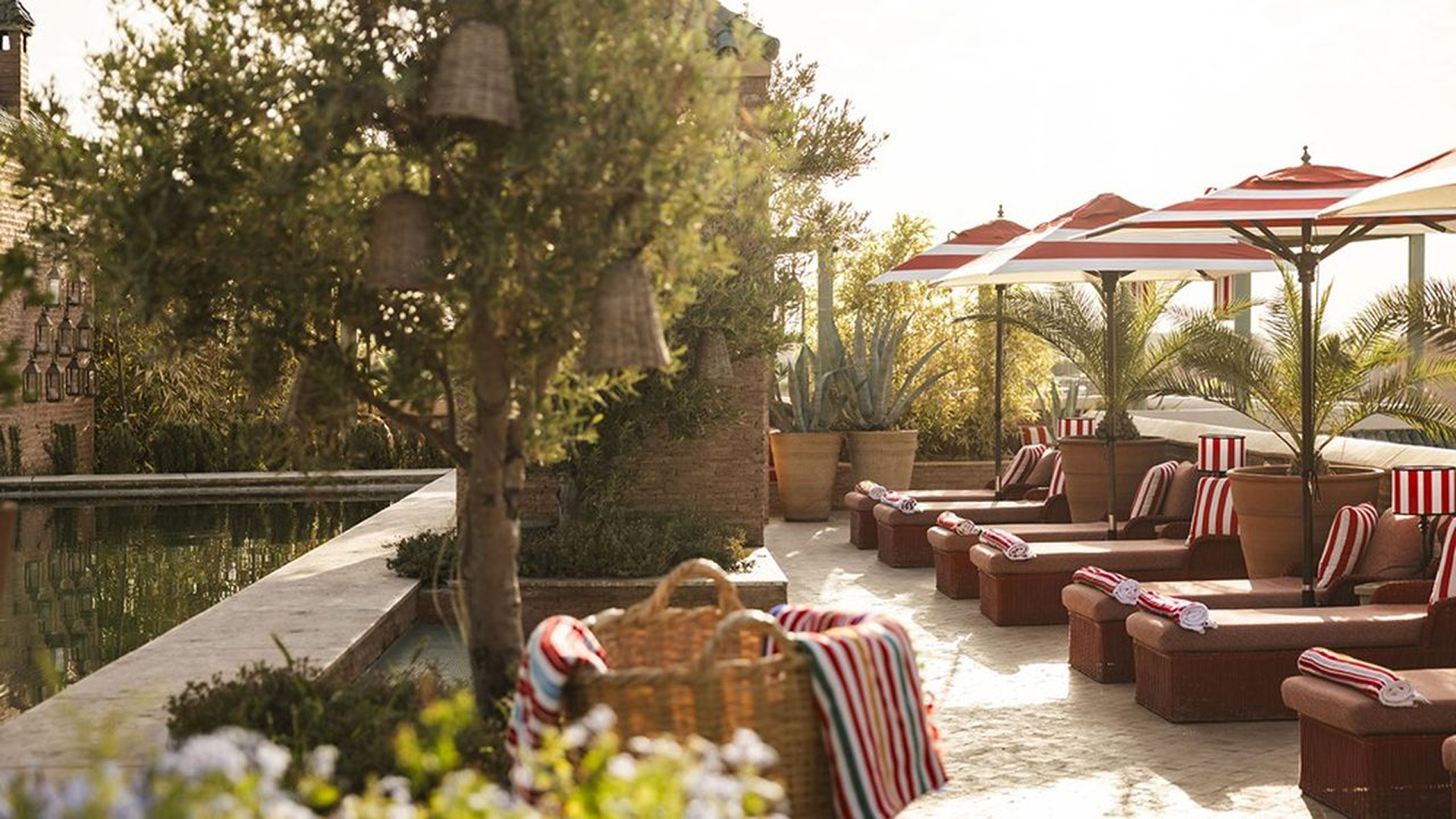
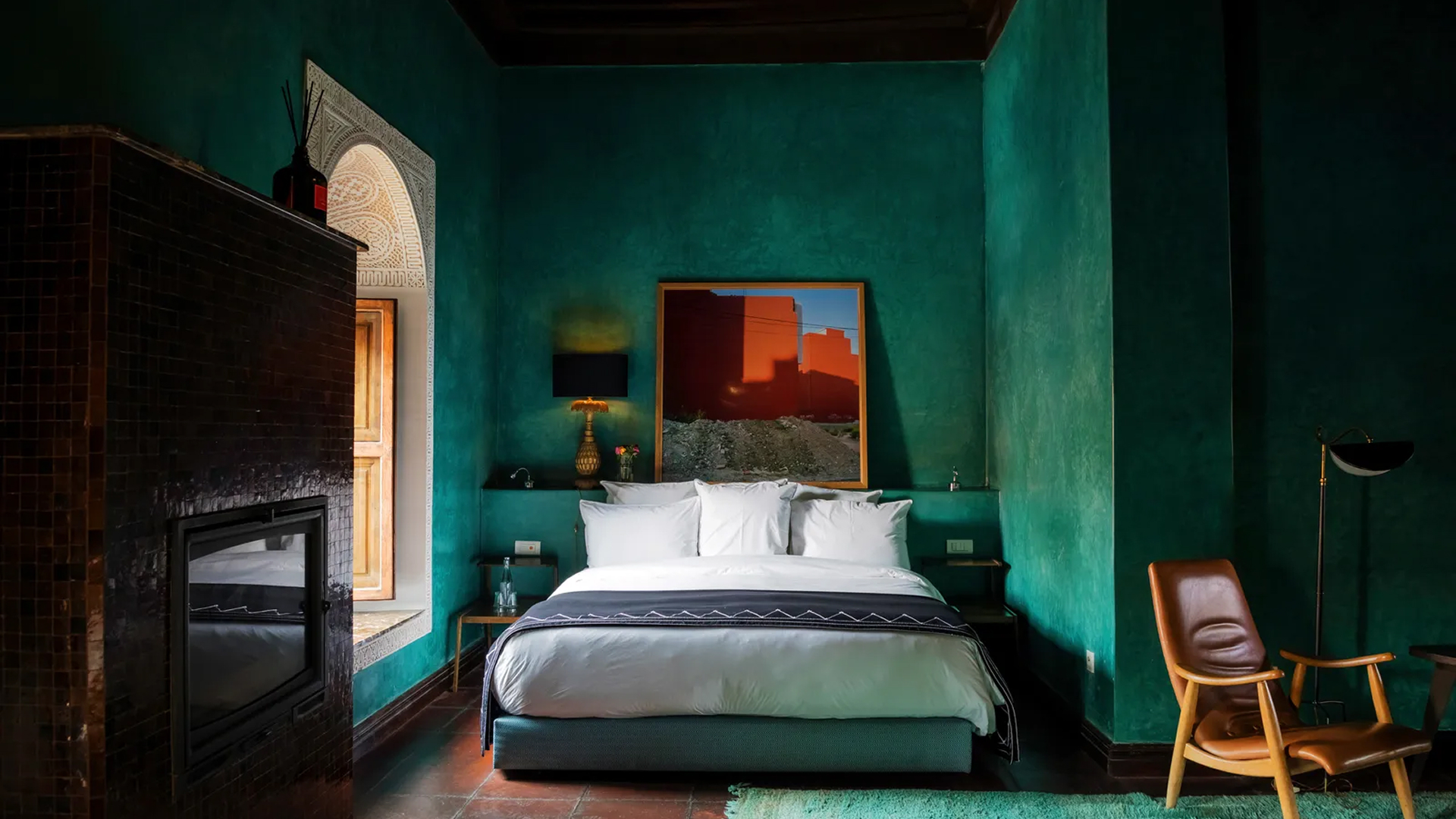
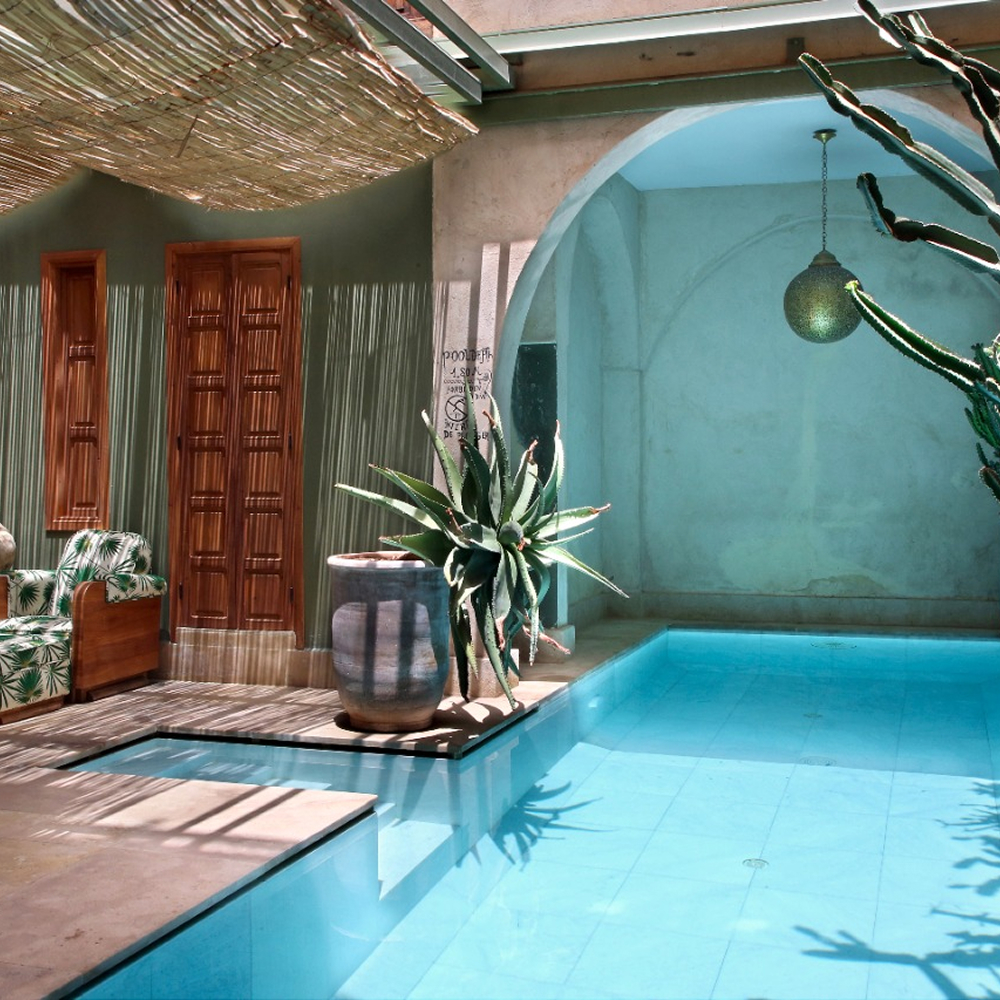
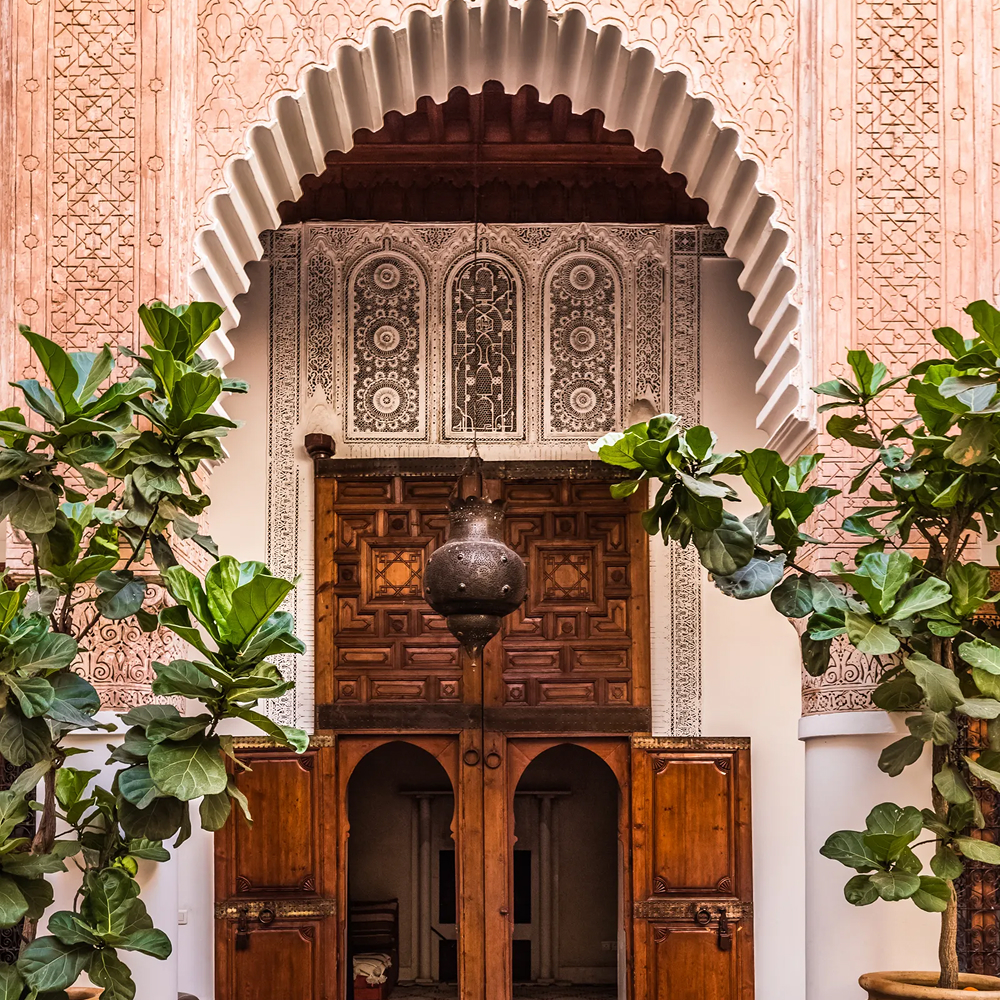
El Fenn builds much of its identity around its position inside Marrakech’s medina, while its hotel, rooftop, restaurant, art and interiors contribute to a wider interpretation of the destination rather than treating location as a practical detail alone.
This approach also creates stronger material for SEO and editorial content because destination pages can answer genuine traveller interests while retaining the hotel’s own perspective.
Rituals make the story tangible
A ritual gives guests something they can participate in rather than simply read about. It might happen at breakfast, arrival, sunset, turndown or during a recurring weekly event, and its strength comes from the connection with the character of the property.
The ritual does not need to feel theatrical. A small gesture repeated consistently can become more memorable than an elaborate activation because it gives the stay its own rhythm.
These moments also offer strong content opportunities. Photography and video can show a ritual naturally, while pre-arrival communication can introduce enough context for guests to understand its significance. Once experienced, the same moment often becomes material guests share themselves, extending the story through personal interpretation.
People make the narrative credible
Hospitality is delivered by people, yet many hotel stories remain focused almost entirely on buildings and scenery. Chefs, hosts, artisans, guides and local collaborators can give the brand a more specific voice because they bring knowledge and perspective that generic copy cannot reproduce.
The storytelling work developed for Oshom Bali illustrates how a property’s atmosphere, architecture and guest rhythm can be translated into a visual narrative rather than reduced to a list of features. The project combined lifestyle scenes, architectural footage and the beachfront environment to communicate the hotel’s identity through experience.
For hotel teams, the lesson is broader than video production. The people and moments already shaping the stay often provide richer narrative material than campaigns built around abstract concepts.
Use storytelling to make the booking decision easier
Storytelling earns its strategic role when it helps prospective guests understand what they are choosing. A narrative should support desirability, but it should also reduce ambiguity by connecting atmosphere with concrete aspects of the experience.
Editorial content should deepen the story instead of repeating it
A homepage cannot carry the full narrative of a property. Editorial formats allow hotels to develop individual parts of the story without overloading the booking journey.
A journal can give space to local personalities, architecture, food, seasonal change or cultural programmes. Video can express rhythm and atmosphere. Newsletters can continue the relationship between stays. Social media can reveal shorter observations from daily life.
These formats should add new information rather than repeat the same positioning statement across several channels. A strong editorial ecosystem gives each medium a distinct function while maintaining a recognisable point of view.
For SEO, this also creates opportunities to build useful pages around subjects with genuine search relevance. Google’s guidance on people-first content supports the principle of producing original material grounded in expertise and real experience rather than publishing primarily for rankings.
The story should help guests picture their own stay
The strongest hospitality narrative leaves enough room for the traveller to enter it. Excessive brand language can make the property feel like a finished story that guests are expected to admire from the outside.
Specific scenes are often more effective. Morning coffee on a terrace, the walk from the room to the sea, an evening ritual or a conversation around a shared table gives future guests something concrete to imagine.
This is where visual and written storytelling need to support each other. Photography provides atmosphere and scale, while copy adds details the image cannot communicate, such as the origin of an object, the reason behind a ritual or the significance of a local collaboration.
Projection then comes from understanding the experience rather than from exaggerated promises.
Memorability depends on what remains consistent
A story loses credibility when the website communicates one identity while social media, service and the physical environment express another. The narrative needs enough consistency to remain recognisable across the complete guest journey.
That does not mean repeating the same language. The brand can reveal different dimensions in different contexts while retaining the same underlying perspective.
The most effective hotel brand storytelling ultimately gives people a simple way to remember and describe the property. They understand where the concept comes from, how it relates to place and what the experience feels like before they book, then find enough evidence during the stay to confirm that impression.
For hospitality businesses refining the story behind an existing or future property, Epikure works across strategy, branding, content and digital experiences to connect the narrative with the product that guests actually encounter.