
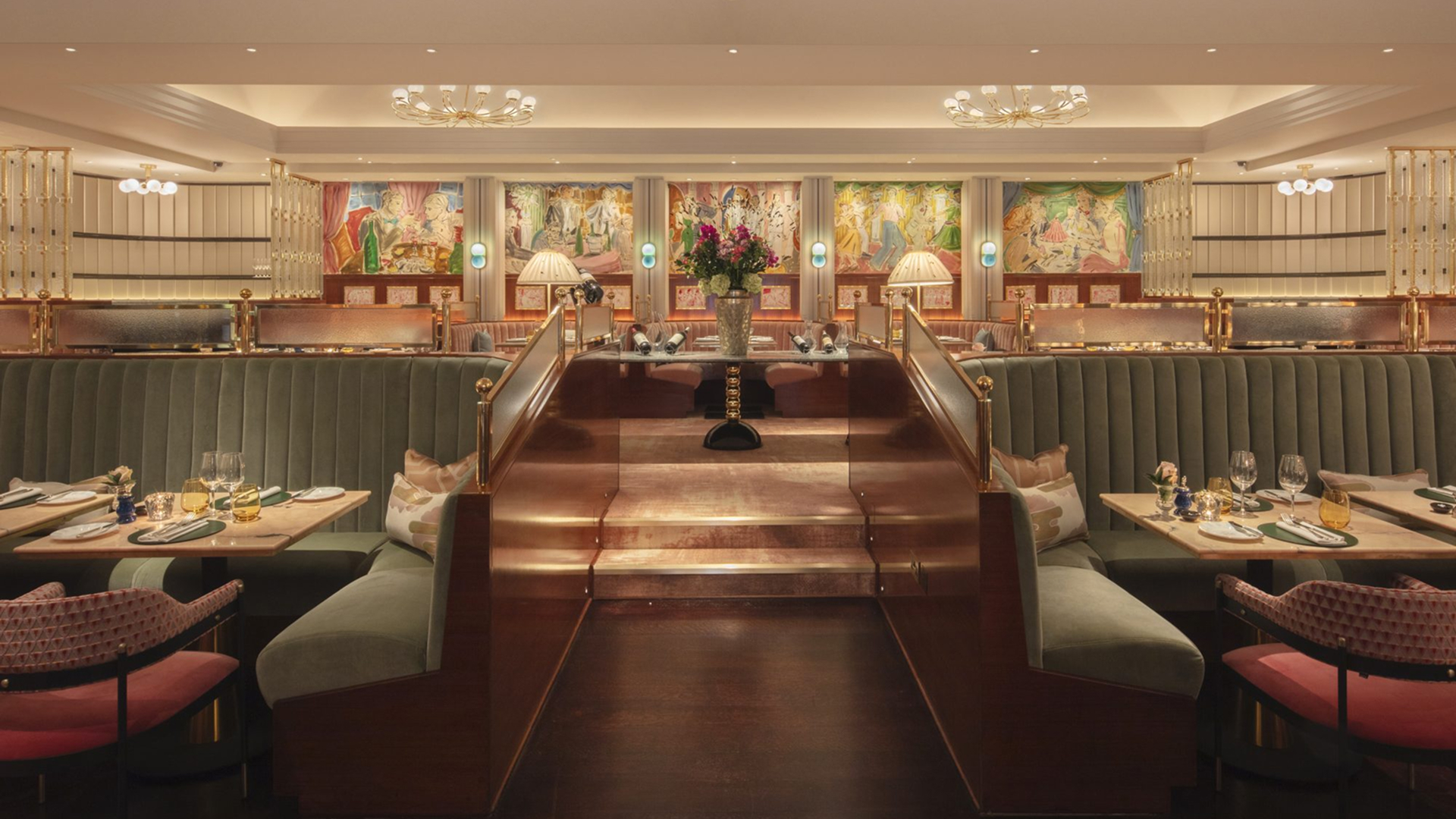
Room rates across global hospitality markets have increased steadily over recent years, driven by construction costs, brand expansion and elevated investor expectations, yet rate growth alone does not secure premium perception because guests evaluate value through coherence, clarity and experiential stability rather than through visible capital investment. A property can display architectural ambition, curated interiors and strong branding, and still generate a subtle imbalance when commercial logic, spatial hierarchy and operational execution evolve without disciplined alignment. Premium perception emerges from structural consistency between audience definition, pricing architecture, program distribution and service choreography, and when this consistency weakens, guests interpret the gap between cost and experience immediately. The difference between expensive and premium lies in precision.
Every hospitality concept must define its primary audience with rigour and align inventory, programming and spatial hierarchy accordingly, because premium pricing demands a clear experiential promise that translates into proportion, density and sequencing rather than remaining confined to brand language. When leadership attempts to address multiple segments simultaneously without hierarchy, room typologies, public areas and service intensity begin to reflect competing ambitions, which destabilises perceived value.
The coherence of Hotel Sanders Copenhagen demonstrates how disciplined positioning strengthens premium perception, as the property maintains a defined identity centred on residential intimacy and cultural refinement, and this focus informs room count, lobby scale, lighting hierarchy and staff interaction model. Spatial decisions reinforce audience definition structurally, allowing pricing architecture to rest on experiential clarity rather than on decorative impact.
To protect perceived value at premium rate levels, you must ensure that audience definition guides surface allocation, inventory calibration and experiential sequencing from the earliest development stage.
Large development budgets often translate into layered materials, expressive lighting features and multiple signature spaces intended to signal distinction, yet accumulation of gestures can weaken spatial order when each element seeks attention without clear hierarchy. Premium environments depend on measured proportion, disciplined material palette and controlled transitions between zones, which stabilise perception and reduce cognitive effort.
At The Ned NoMad, expressive heritage features coexist with structured circulation and proportionate public areas that maintain legibility despite aesthetic richness, allowing the property to balance character and coherence effectively. Projects that replicate visual density without equivalent spatial discipline often struggle to stabilise perceived value because guests interpret conceptual dispersion as lack of control.
Premium perception strengthens when material selection, lighting intensity and architectural rhythm follow an ordered system rather than accumulating expressive layers.
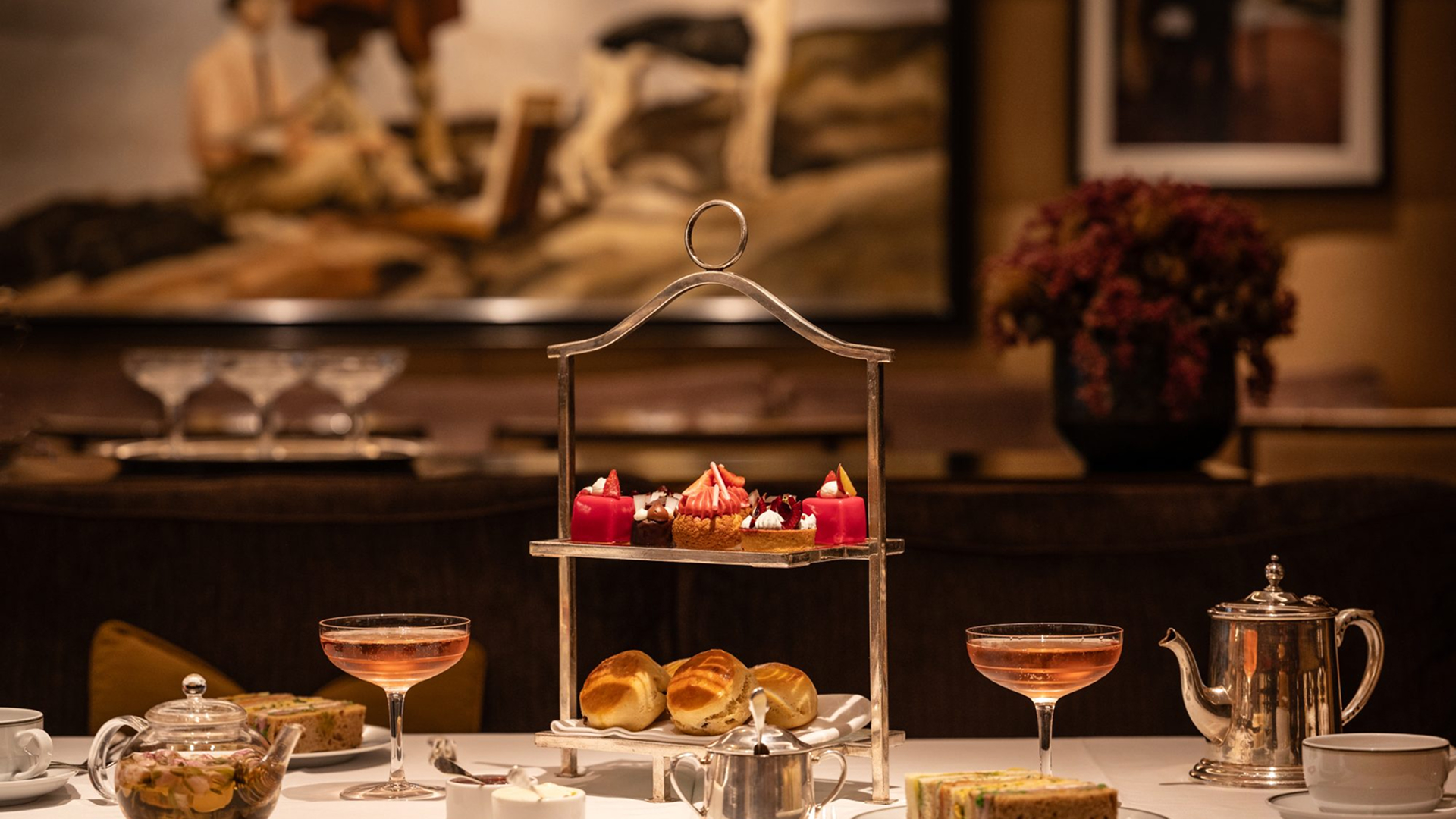
Premium pricing requires operational precision that translates into spatial planning, because service choreography, staffing ratios and logistics sequencing shape guest experience as much as visible design decisions. When back of house circulation intersects guest pathways, when room layouts prioritise visual impact over ergonomics, or when acoustic planning conflicts with social programming, friction enters the experience and affects perception of value.
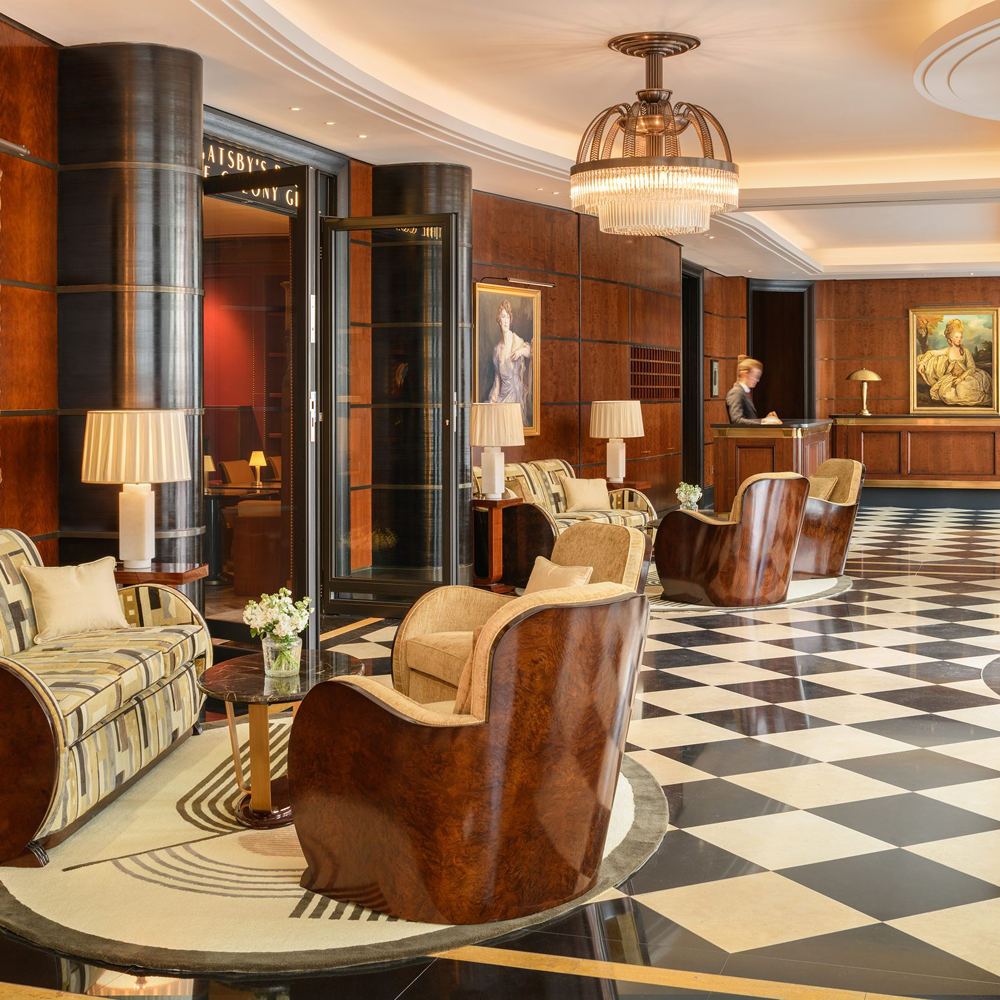
At The Beaumont London, room proportions, storage integration and circulation planning reflect early operational modelling, ensuring that service flow remains invisible and guest comfort remains uninterrupted. The alignment between business model and architectural layout supports experiential stability, which reinforces pricing credibility.
To preserve premium perception, you must integrate service choreography, room usability and logistics routing into architectural planning before aesthetic refinement advances.
Monumental lobbies, expansive atriums and large scale façades generate immediate visual impact, yet premium perception depends on calibration between scale and human proportion, as guests respond to environments that balance ambition with experiential control. When architectural ambition prioritises volume without structured hierarchy, the environment communicates expenditure rather than refinement, which weakens alignment between rate and value.
At The Newt in Somerset, estate scale integrates hospitality programming through measured sequencing and balanced proportions that respect both landscape and guest intimacy, allowing spatial transitions to support clarity rather than overwhelm perception. Public and private zones maintain distinct hierarchy, and program distribution reflects defined positioning, reinforcing perceived value through structural coherence.
Premium perception depends on proportion that supports positioning rather than on spectacle that seeks attention.
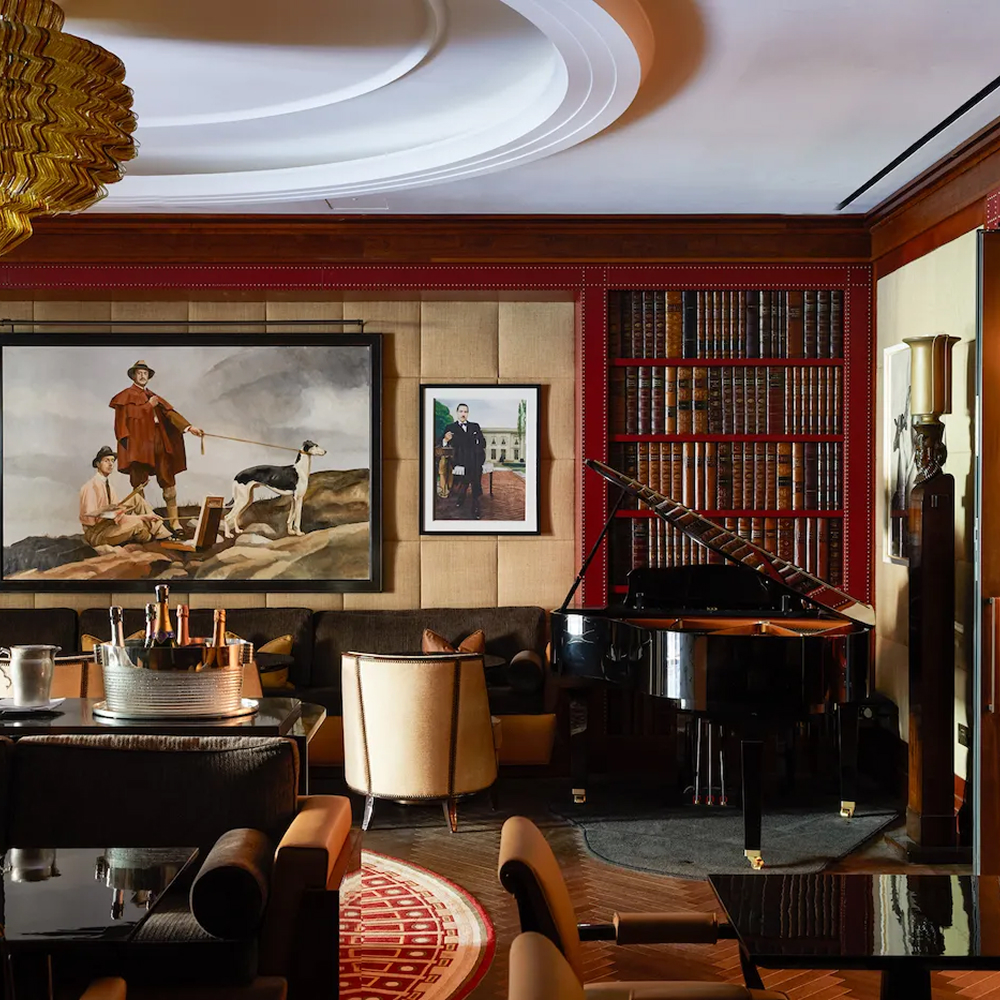
Premium hospitality emerges from disciplined alignment between positioning, revenue architecture, spatial hierarchy and operational execution, because guests interpret coherence instinctively through comfort, clarity and continuity across every touchpoint of their experience. When density, sequencing, material articulation and service choreography correspond directly to defined commercial logic, perception stabilises and pricing architecture gains structural legitimacy.
Expensive projects rely on capital intensity and visual amplification, while premium projects rely on restraint, calibration and internal consistency that embed value within proportion and operational discipline. When each architectural and strategic decision reinforces audience definition and revenue logic, perceived value aligns naturally with rate positioning rather than requiring narrative justification.
Hospitality leaders who want to close the gap between cost and premium perception must align strategy, spatial planning and operational modelling within one integrated framework from the earliest feasibility stage, ensuring that clarity governs every subsequent decision and that coherence supports pricing power structurally.
This convergence between commercial precision and spatial intelligence forms the foundation of the methodology developed at Epikure, where positioning, financial architecture and design logic evolve together so that hospitality assets command premium perception through coherence rather than through expenditure.
