
Hospitality projects rarely fail because of poor design alone. They weaken earlier, when positioning remains unclear, target audiences stay undefined, and strategic trade-offs remain unresolved. Architecture, branding, and digital execution then attempt to compensate for decisions that were never made. When intention lacks precision, execution accumulates ideas without hierarchy. The result appears ambitious on paper yet fragile in reality. Successful hospitality projects begin with clarity of vision and disciplined choices that guide every subsequent step.
Positioning defines who the project serves and why it deserves attention. When founders describe a concept as “premium for everyone” or “unique yet accessible,” the idea sounds appealing but lacks direction. Without a clear stance, architecture, pricing, and communication drift. Teams design for multiple audiences at once, hoping to capture broad appeal. This dilution weakens identity and complicates operations.
The development of The Silo Hotel in Cape Town illustrates the opposite dynamic. The project defined itself clearly around art, scale, and a strong architectural statement before execution progressed. This precision informed pricing, interiors, partnerships, and digital storytelling. Guests understand immediately who the property speaks to and why it exists. Clear positioning simplifies decisions because every element either reinforces the core idea or does not belong.
A defined audience shapes room layout, service style, and rate structure. When targeting remains vague, spaces attempt to satisfy incompatible expectations. A wellness retreat cannot operate with the same rhythm as a social city hotel. A family oriented resort requires different circulation and programming than a couples retreat. When these distinctions remain unresolved, design becomes a negotiation rather than an expression.
Projects such as Amangiri succeeded because targeting remained narrow and intentional. The property prioritised privacy, landscape immersion, and minimal social noise. Architecture and service reflect this focus consistently. Design clarity followed audience clarity, not the reverse.
Every hospitality concept involves trade-offs between scale and intimacy, exclusivity and accessibility, programming and simplicity. When these choices remain open too long, projects accumulate contradictions. A property cannot promise both complete seclusion and vibrant nightlife without creating operational tension. Clarity requires accepting what the project will not be.
The success of Ett Hem in Stockholm stems from this discipline. The property embraced a residential scale and limited capacity, choosing intimacy over volume. This decision informed layout, staffing, and communication. Trade-offs strengthened the concept instead of weakening it.
Many projects begin with enthusiasm and a long list of inspirations, references, and features. Teams gather ideas from different markets, brands, and trends. Without strategic filtering, these ideas accumulate rather than align. Design then attempts to reconcile conflicting ambitions within one space.
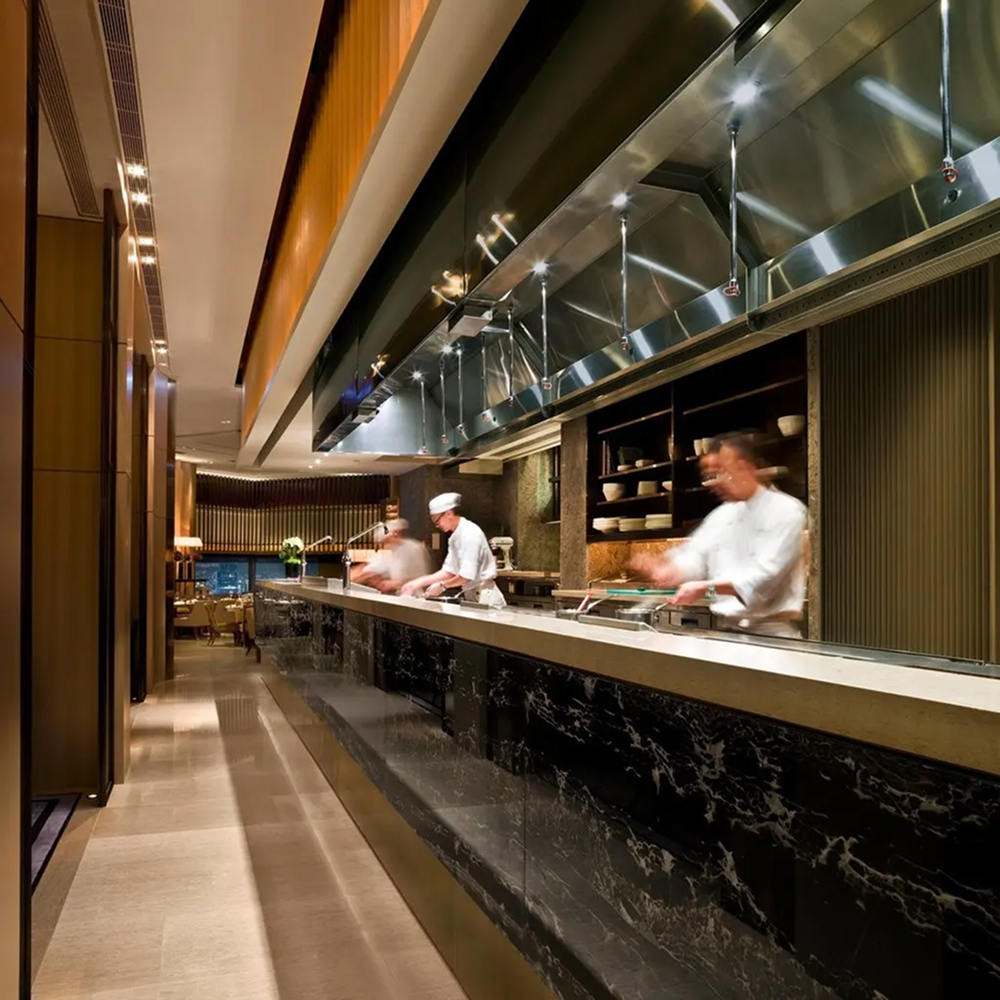
The result often appears layered but unfocused. Restaurants, spas, event spaces, and retail corners multiply without a unifying narrative. When features precede philosophy, operations struggle to maintain coherence.
Trends can inform a project, but they cannot replace positioning. Adding co-working zones, experiential dining, or wellness programs without understanding how they support the core vision introduces complexity without clarity. Guests perceive inconsistency quickly.
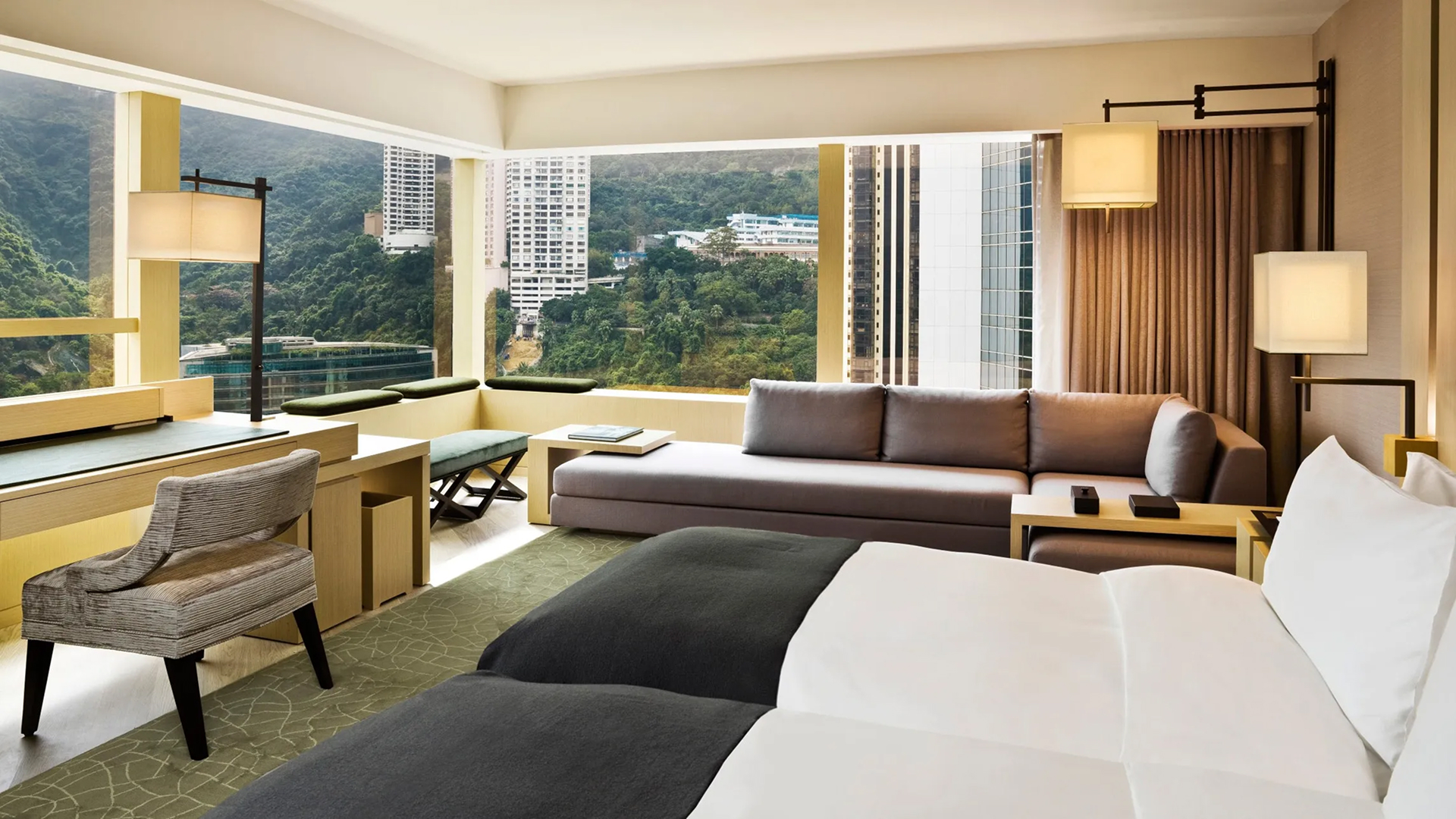
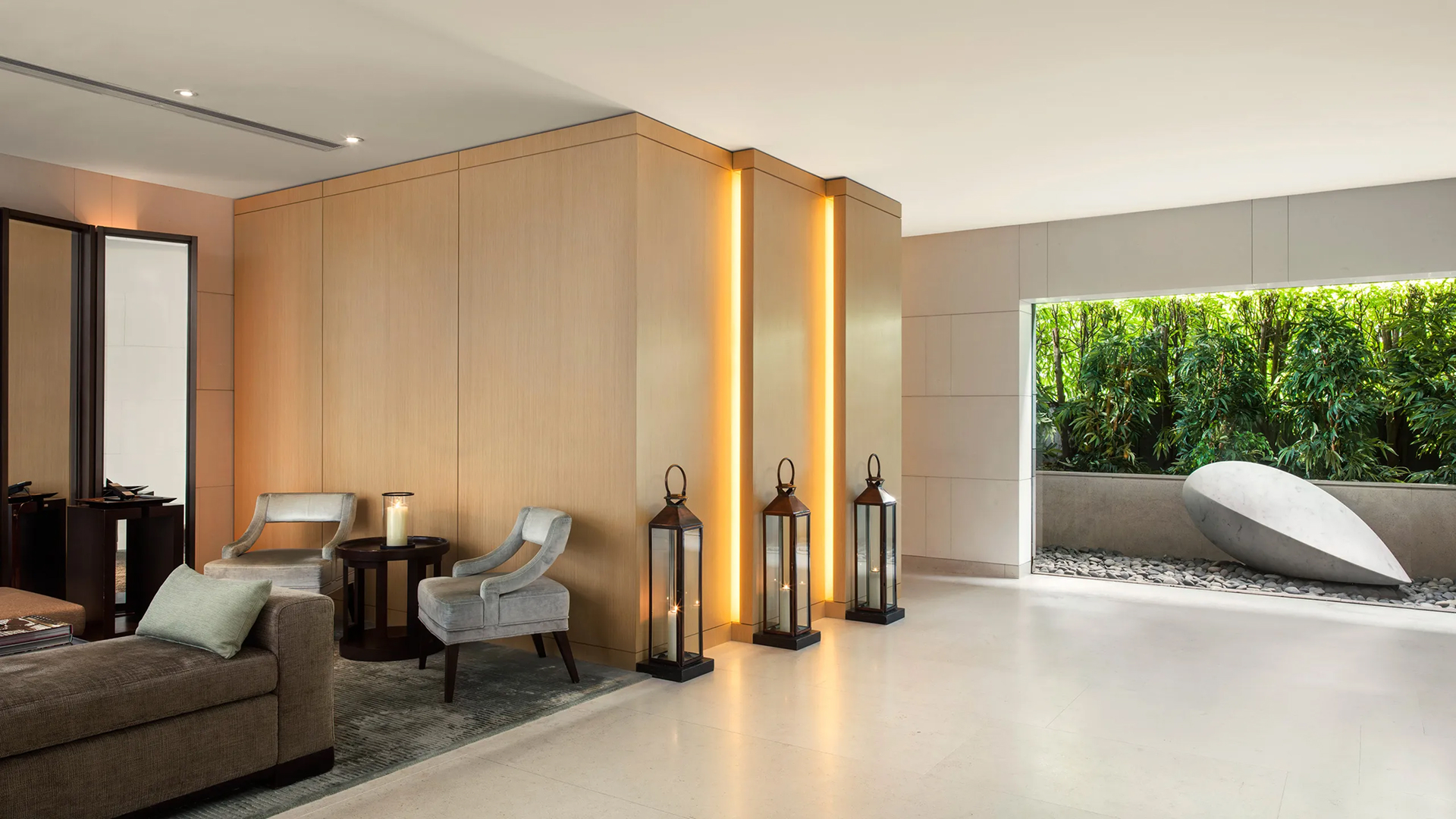
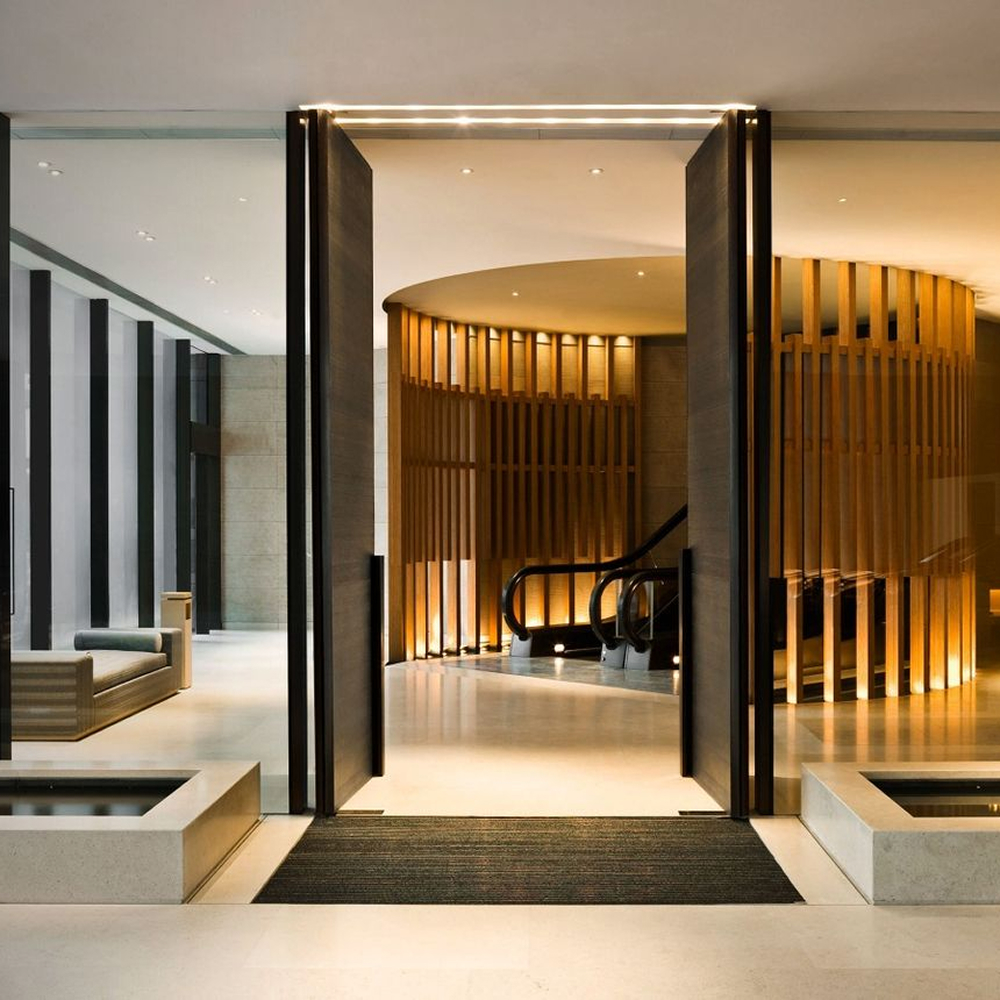
Properties such as The Upper House in Hong Kong demonstrate restraint. The concept emphasises calm, vertical intimacy, and discretion. Programming remains aligned with that promise. Nothing appears because it is fashionable. Each feature reinforces a single idea.
Strong design can refine a clear concept, but it cannot invent one. When positioning shifts during construction, branding and digital presence struggle to compensate. Visual identity becomes decorative rather than directional. Teams revise narratives repeatedly, losing time and budget.
A project that clarifies its stance early avoids this cycle. Strategic definition reduces later revisions and supports confident execution across architecture, operations, and communication.
Successful hospitality projects begin with questions that precede sketches. Who is this for. What emotional state should define the stay. Which compromises are acceptable. What will the property refuse to become. These answers shape scale, budget allocation, staffing model, and digital structure long before design teams enter the process.
Projects such as Fogo Island Inn illustrate how clarity of purpose anchors every decision. The concept defined community integration, craftsmanship, and landscape immersion from the outset. Architecture, programming, and storytelling followed this vision consistently. Discipline protected the project from dilution.
Clarity of vision and disciplined decision making form the true foundation of hospitality success. When positioning remains sharp, targeting remains specific, and trade-offs remain accepted, design becomes expression rather than compensation. Projects grounded in strategy gain coherence, resilience, and long term value.
Epikure supports hospitality founders in defining positioning, audience, and strategic choices before design begins, ensuring that execution rests on stable foundations. You can initiate this strategic groundwork through the Epikure contact page, where clarity becomes the first design decision.
