
In hospitality development, structural weakness rarely comes from aesthetic failure. It emerges when strategic intent and spatial expression evolve separately, with commercial ambition defined in financial models while architectural hierarchy develops within an autonomous creative process. When positioning, pricing logic and operational modelling do not shape master planning decisions from inception, the property may function operationally yet feel conceptually negotiated rather than inevitable. The strongest hospitality assets avoid this fragmentation by integrating strategic clarity and spatial conception from the earliest stage, allowing revenue architecture, audience definition and service logic to inform proportion, density and circulation simultaneously. In this convergence, design does not illustrate strategy and strategy does not rationalise design. Both operate within the same structural language, producing environments that feel coherent because commercial logic and built form reinforce each other continuously.
Every hospitality concept begins with a decision about audience and pricing architecture, yet these decisions only gain credibility when translated into spatial sequencing, moderated density and program hierarchy rather than remaining confined to narrative positioning. A property that targets privacy and experiential control must express that ambition through contained circulation, calibrated room count and disciplined public exposure, otherwise strategic intent becomes rhetorical.
The discipline of Belmond Splendido Portofino illustrates how positioning informs architectural hierarchy when leadership defines its segment precisely. Terraced distribution across the hillside reinforces exclusivity and panoramic orientation while preserving controlled capacity, and spatial organisation supports intimacy despite global brand recognition. The building reflects strategic conviction through proportion and sequencing rather than through narrative emphasis.
When architectural hierarchy reflects audience definition directly, pricing power stabilises because perception and spatial reality align structurally.
Hospitality operates through financial structure as much as experiential narrative, since each square meter must correspond to defined revenue logic, staffing intensity and margin expectation rather than decorative intuition. Suites, dining venues, wellness facilities and event areas require differentiated allocation according to yield potential and operational complexity, and these allocations must influence master planning before formal refinement begins.
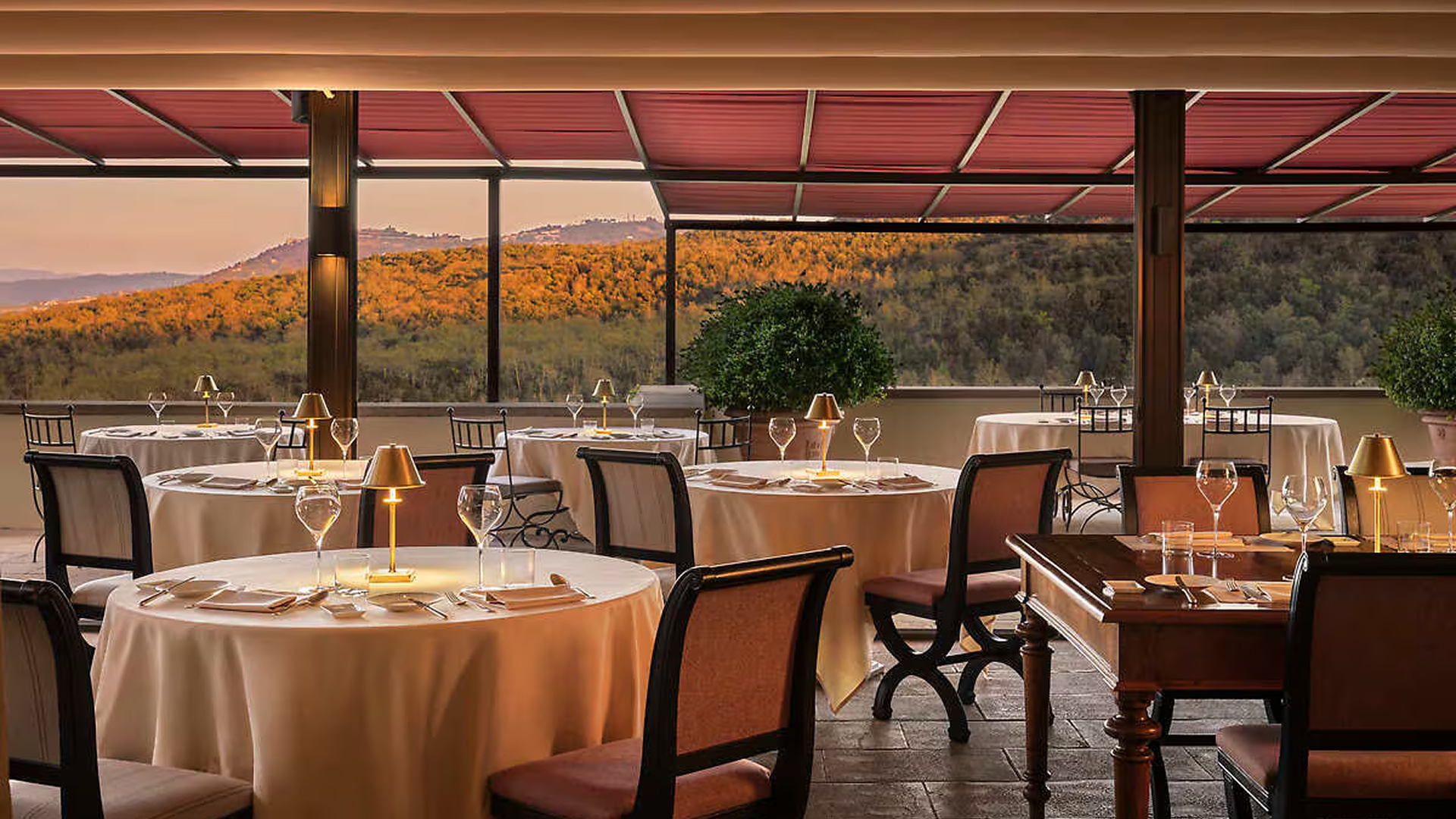
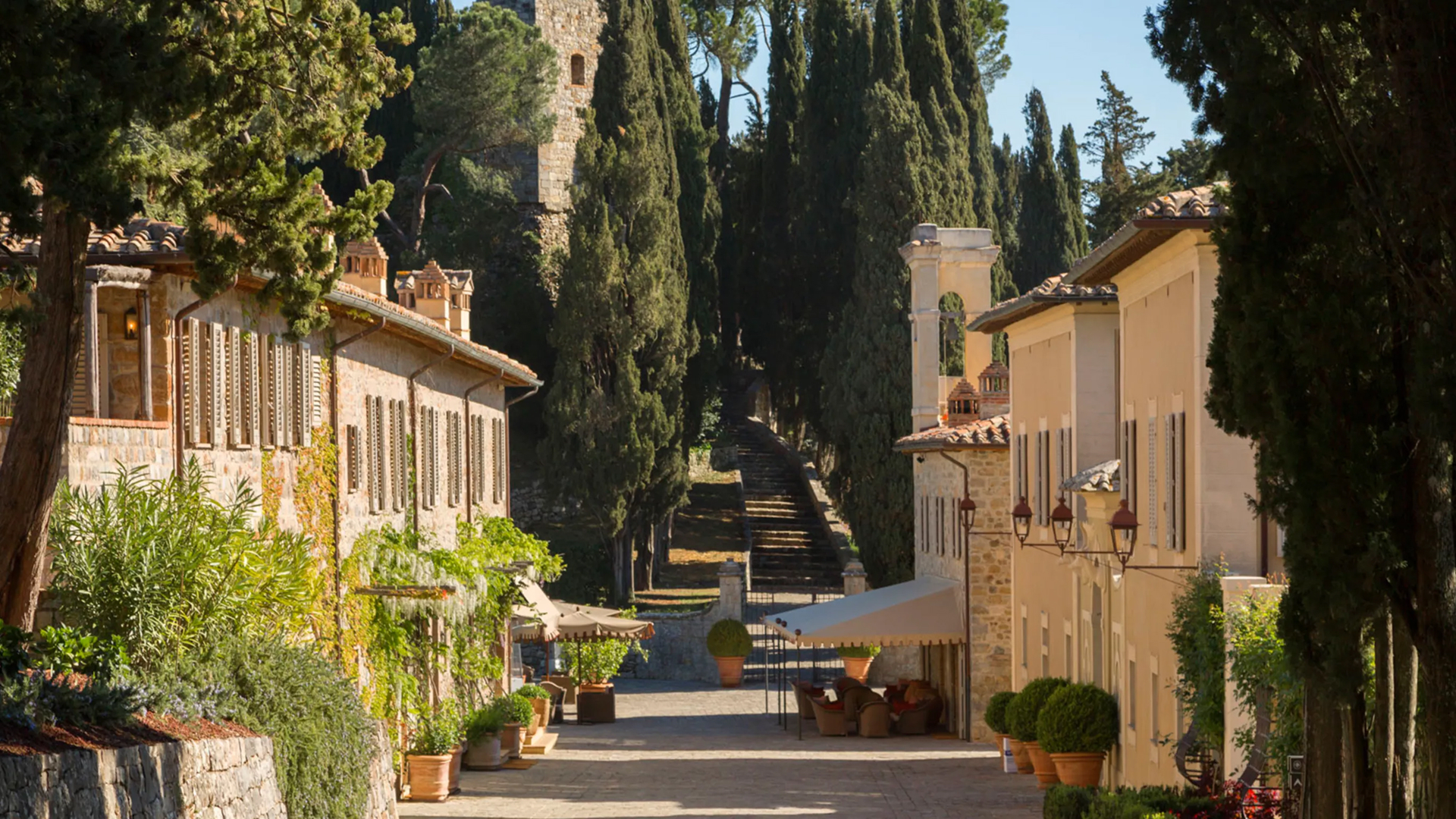
At Rosewood Castiglion del Bosco, villa dispersion across the Tuscan estate reflects a strategy anchored in residential scale exclusivity combined with curated programming, where spatial distance reinforces premium positioning while service infrastructure remains integrated through disciplined planning. Revenue ambition, land use and architectural sequencing converge within one economic and spatial logic.
When program distribution derives from financial modelling and operational mapping, profitability embeds itself within the plan rather than depending on post opening optimisation.
Every hospitality project confronts structural tensions between scale and intimacy, accessibility and rarity, density and experiential control. Leadership credibility depends on resolving these tensions early rather than preserving contradictory ambitions within one concept. A property cannot credibly promise both vibrant nightlife intensity and complete seclusion without generating experiential inconsistency that architecture will ultimately expose.
The clarity of Post Ranch Inn results from disciplined commitment to landscape immersion and limited capacity, where architectural restraint reinforces strategic focus on privacy and spatial contemplation. Inventory remains controlled. Program layering remains minimal. Built form reflects selective commitment rather than accumulation of features.
Trade-offs strengthen hospitality concepts when they remove ambiguity and translate strategic conviction into spatial consistency.
Strategic alignment extends beyond audience and pricing logic into staffing ratios, service choreography and logistics sequencing, all of which require spatial translation during early design stages. Service elevators, kitchen placement, storage distribution and back of house routing must correspond to the operating model defined in financial projections, otherwise operational friction becomes structural.
At Mandarin Oriental Lake Como, the integration of historic villas with contemporary hospitality infrastructure required rigorous operational modelling to ensure that guest circulation, service efficiency and heritage preservation coexist within one coherent spatial framework. Architectural decisions reflect operational discipline rather than aesthetic autonomy.
When operational intelligence informs spatial planning from inception, service quality and margin protection reinforce one another instead of competing.
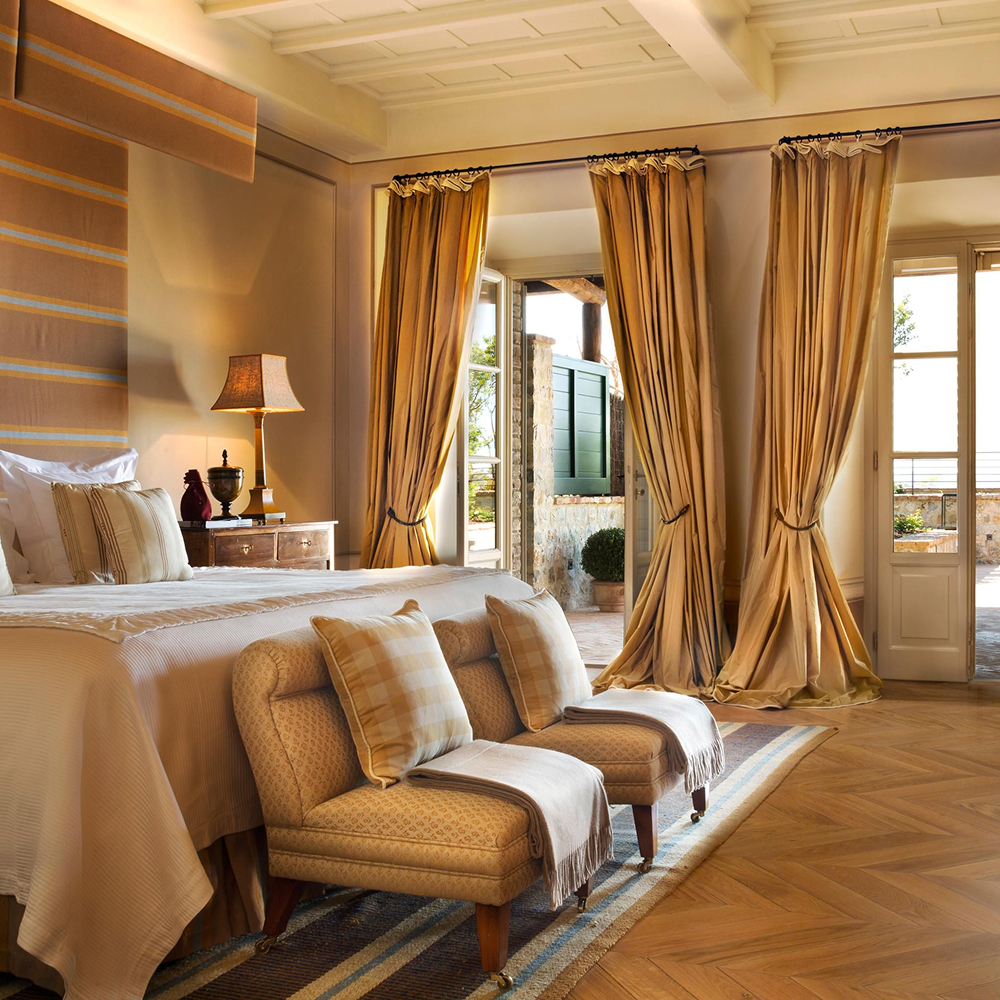
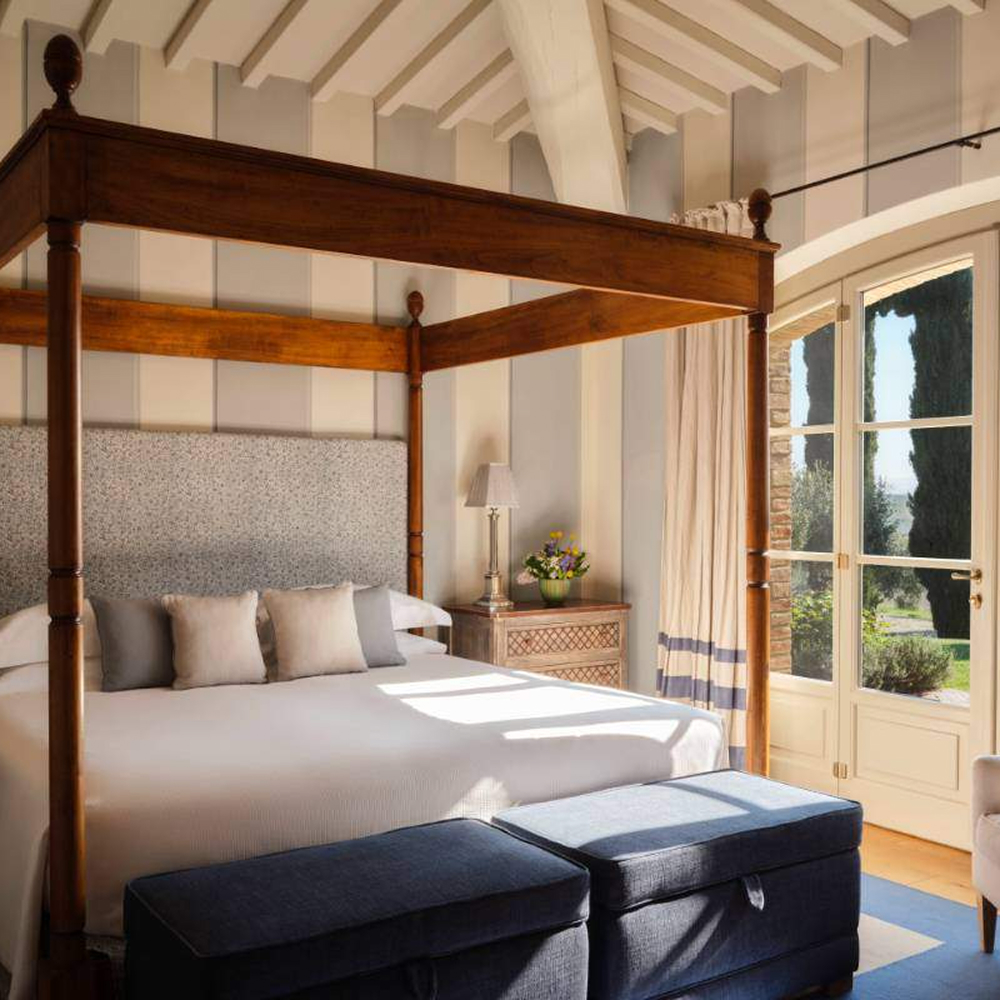
Guests do not analyse feasibility studies or positioning frameworks, yet they perceive alignment immediately when density, hierarchy and program sequencing correspond to clearly defined strategic intent. This perception of inevitability emerges when commercial logic and architectural expression share the same structural language.
Hospitality assets that integrate positioning, revenue architecture and spatial intelligence from the outset develop resilience because identity embeds itself within proportion and circulation rather than relying on narrative reinforcement. Growth and repositioning remain coherent since foundational decisions already align ambition and form.
For hospitality leaders seeking this structural convergence between business architecture and spatial conception, the reflection continues through Epikure, where strategy and design evolve within a unified framework that ensures commercial logic and architectural hierarchy speak the same language.
