
In many hospitality projects, branding emerges through storytelling, visual identity, and positioning frameworks. In the most coherent properties, architecture defines identity first. Guests read proportion, scale, and material before they read any copy. Spatial language signals audience, price positioning, and experience level from the first approach. When architecture carries positioning clearly, marketing shifts from construction to amplification. The building expresses the promise. Communication reinforces it. This alignment strengthens perception and reduces friction between expectation and reality.
Architecture structures perception. Ceiling height, corridor width, entrance sequencing, and visual axes shape how guests interpret the property’s ambition. These elements influence whether a hotel feels exclusive, intimate, social, or immersive.
At Fogo Island Inn, the elevated structure facing the Atlantic coastline defines identity through geometry and context. The building expresses isolation, cultural anchoring, and environmental commitment. The architectural decision positions the property within a specific segment of experiential luxury. Guests understand that they are entering a place shaped by territory and community, not a generic resort concept.
You signal your audience through architectural form. Compact volumes and layered entry sequences suggest discretion and privacy. Expansive lobbies and long visual perspectives suggest visibility and collective energy.
Amangiri integrates low horizontal structures into desert terrain. The architecture frames silence and retreat. Spatial composition communicates that the property serves guests seeking immersion and controlled seclusion. The building sets expectation before service interaction.
When form aligns with intended clientele, positioning stabilises. You reduce the gap between projected image and lived experience.
Material choices reflect values. Timber conveys warmth and locality. Concrete communicates permanence and restraint. Glass suggests openness and exposure. Stone signals durability and regional grounding.
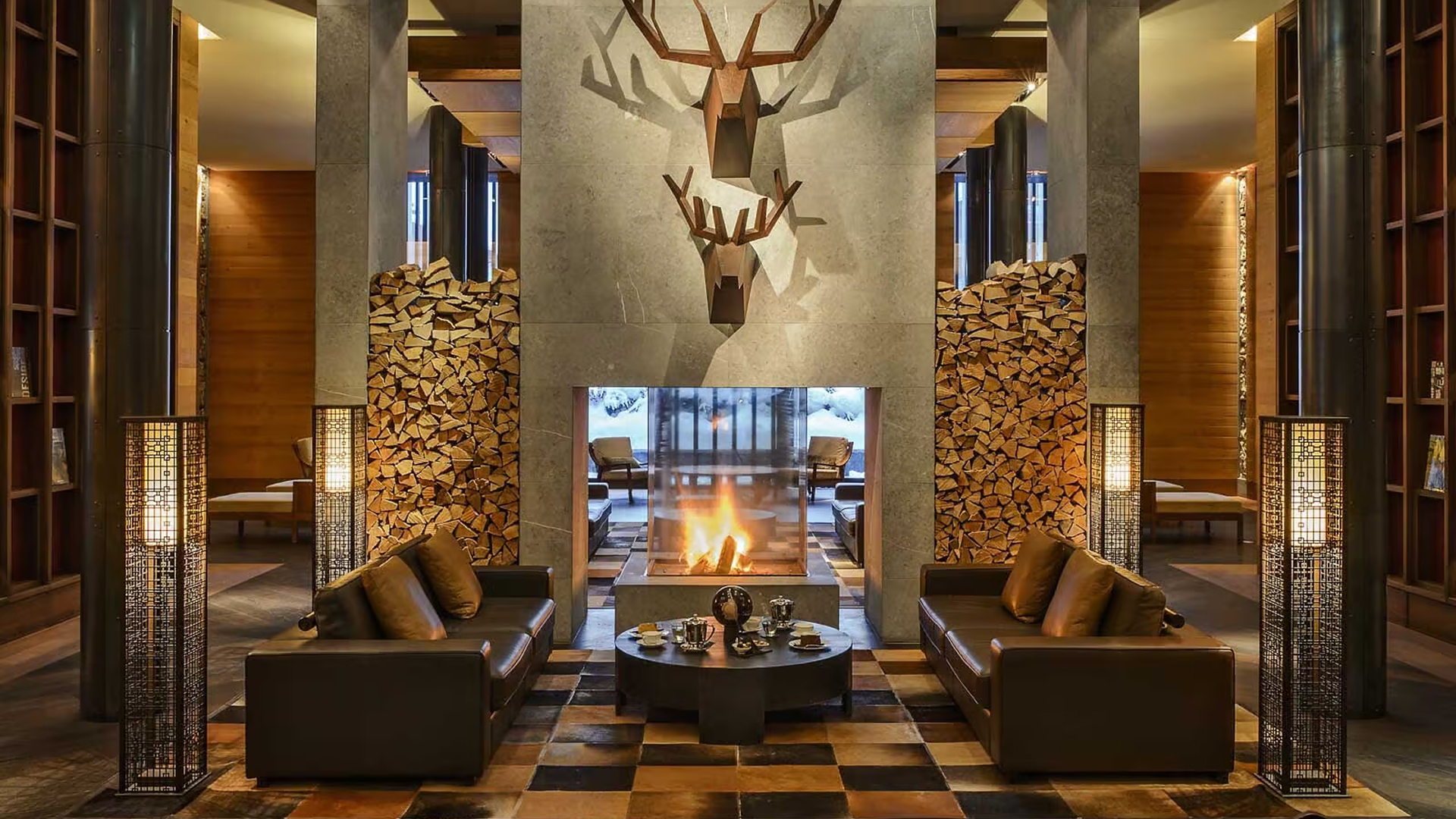
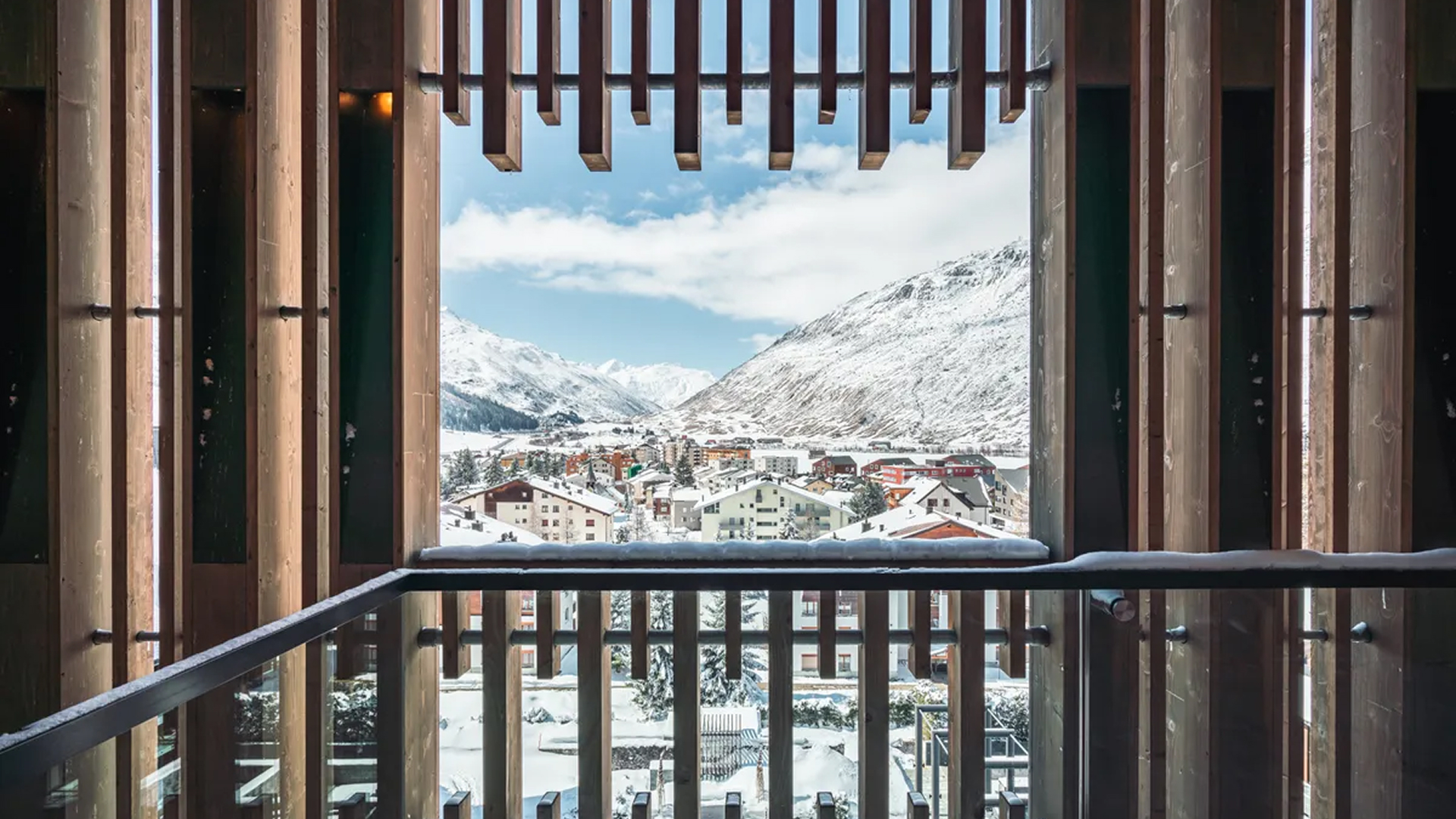
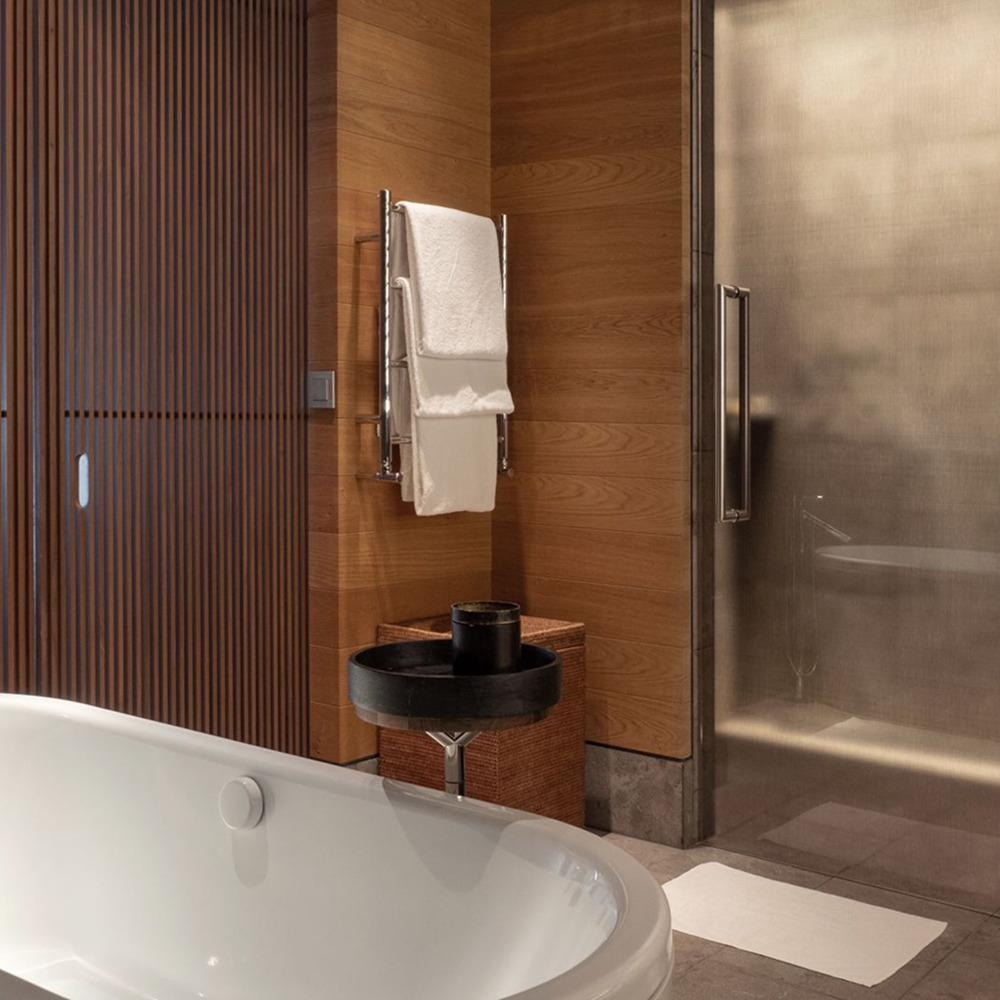
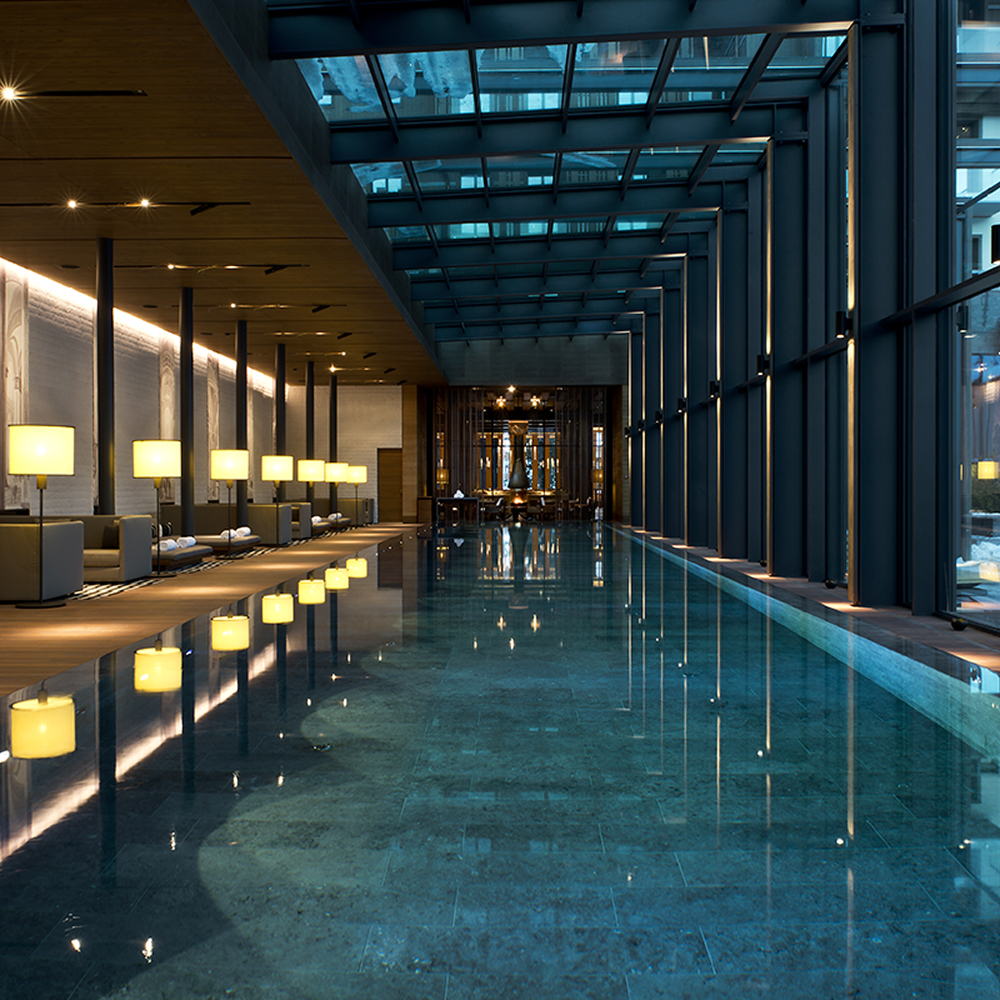
At The Chedi Andermatt, dark timber and stone reinforce alpine context while expressing modern precision. The building integrates local reference with contemporary scale. Guests perceive a balance between heritage and international standards through material coherence.
You strengthen brand credibility when materials align with your strategic narrative. Architecture becomes tangible evidence of your positioning.
When architecture defines identity precisely, communication simplifies. Websites, campaigns, and social platforms follow spatial logic instead of compensating for conceptual ambiguity.
Zannier Hotels Phum Baitang structures its property around village scale and repetitive timber forms. Architectural rhythm conveys cultural continuity. The building itself communicates grounding in Cambodian heritage. Marketing remains restrained because spatial coherence already carries the message.
When a building expresses positioning clearly, you avoid excessive explanation. Overextended storytelling often attempts to compensate for spatial inconsistency.
At Hoshinoya Tokyo, vertical organisation and controlled façade articulation reinterpret the traditional ryokan model within a dense urban context. The façade signals calm precision from the street. Guests perceive discipline and intentionality before entering. Communication mirrors that architectural restraint.
You create trust when built form and verbal language follow the same logic.
Your digital ecosystem performs better when it reflects architectural hierarchy. Navigation, image sequencing, and content flow should echo spatial sequencing. When the building defines rhythm and priority, digital platforms translate that order rather than invent it.
The Silo Hotel demonstrates how architectural transformation shapes brand perception immediately. The sculpted façade and industrial conversion communicate ambition and cultural engagement. Digital storytelling extends that architectural identity rather than replacing it.
You achieve consistency when architecture sets the foundation and digital platforms amplify it.
Architecture functions as your most durable brand asset. Campaigns evolve. Visual systems adjust. Pricing strategies shift. Built form remains visible and measurable.
When proportion aligns with positioning and materiality reflects philosophy, you reduce ambiguity across every touchpoint. Guests interpret value through space before encountering service or content. This structural coherence influences pricing power, review quality, and long-term differentiation.
If you are developing or repositioning a hospitality asset, align architectural decisions with your target audience, price segment, and experiential promise from the earliest phase. When spatial clarity supports strategic intent, branding becomes reinforcement rather than reconstruction.
To structure this alignment between architecture, positioning, and digital expression, you can continue the reflection with the team at Epikure.
