
Many hospitality founders assume that investors prioritise originality, strong design gestures, or trend alignment when assessing a concept. This belief often leads to presentations filled with visual references and expansive narratives that describe ambition yet leave strategic foundations unresolved. Investors approach hospitality with a different lens. They assess coherence, feasibility, and resilience before aesthetics. A concept builds confidence when it demonstrates internal logic, realistic execution capacity, and alignment between vision and market context. Investment in hospitality functions as a test of discipline and structural clarity rather than creative intensity alone. A strong concept reassures because it explains how the property will operate, who it will serve, and why it will sustain relevance over time. Confidence grows when vision, financial logic, and operational structure reinforce one another without contradiction.
Investors evaluate whether the concept fits its environment with precision. Location, audience, pricing, and architectural scale must support a shared direction. When these elements align, the project demonstrates structural maturity. When they diverge, uncertainty rises.
At Fogo Island Inn, the scale of the property, the remote setting, and the cultural narrative form a coherent whole. The concept reflects geography and community involvement rather than imposing an unrelated aesthetic. Investors perceive alignment between context and positioning, which reduces strategic ambiguity and supports long term credibility.
Investors expect a precise understanding of guest profile and revenue composition. Defined segmentation strengthens forecasting and operational planning. Broad targeting weakens confidence because it obscures pricing rationale and service structure.
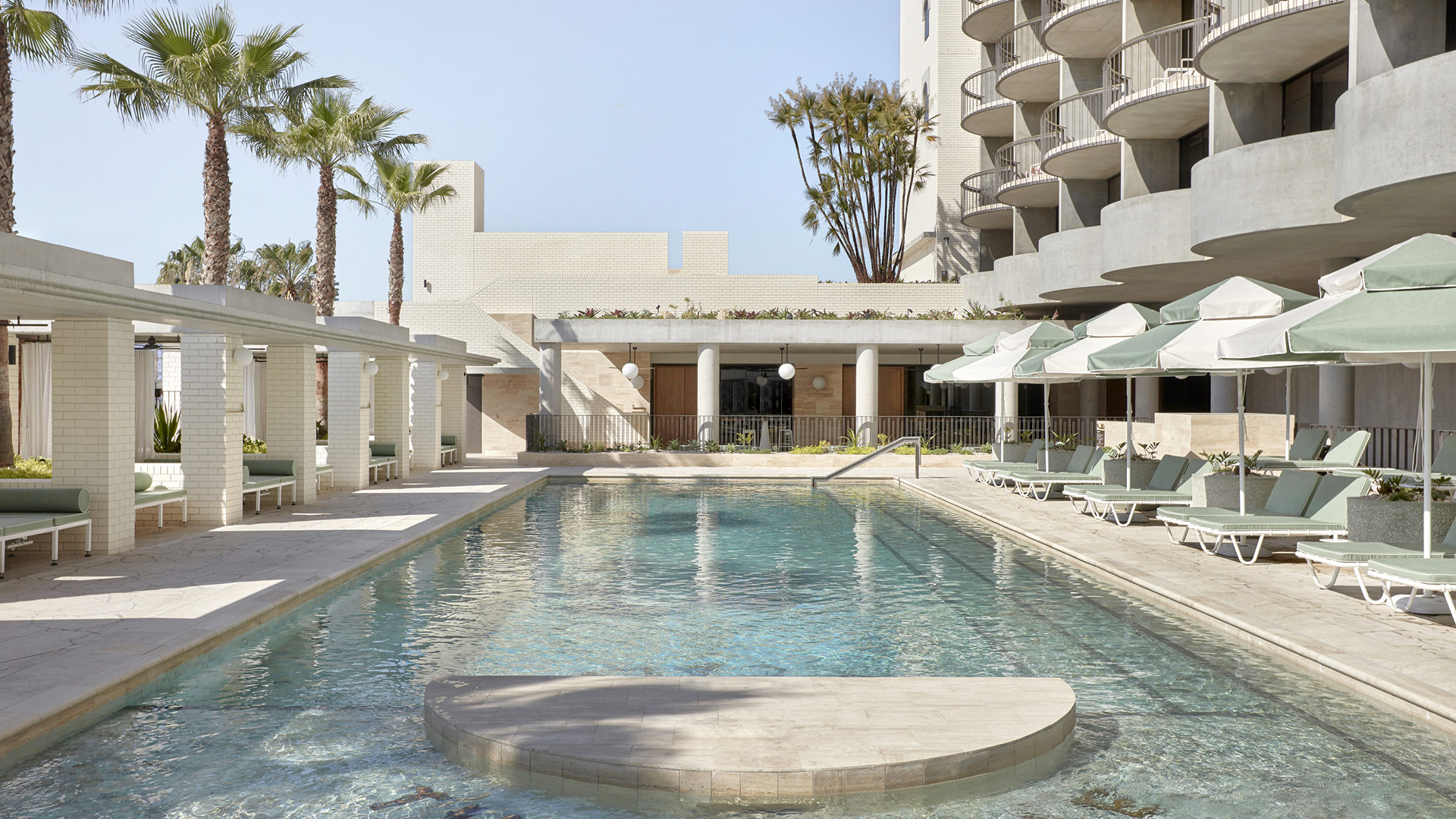
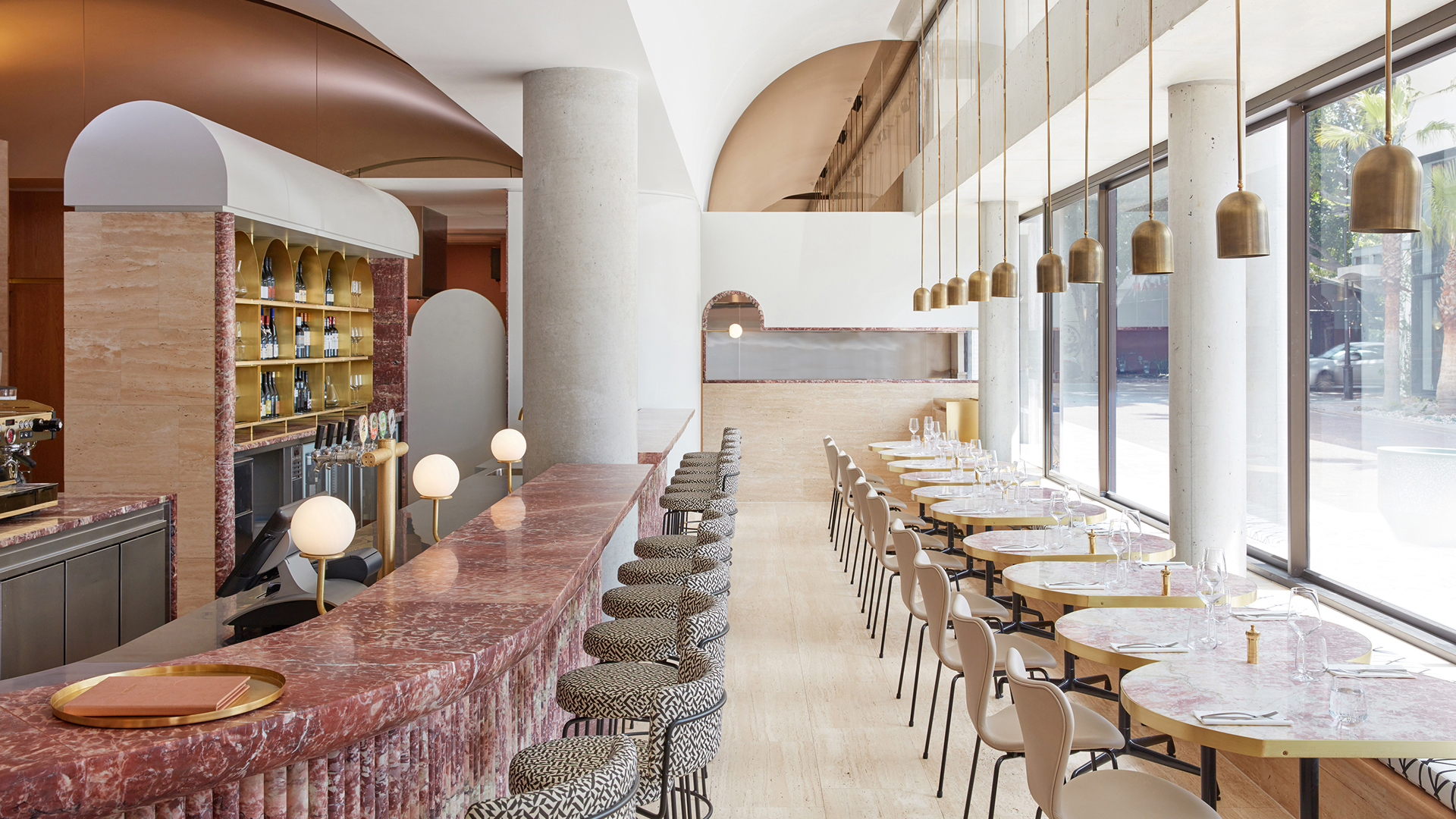
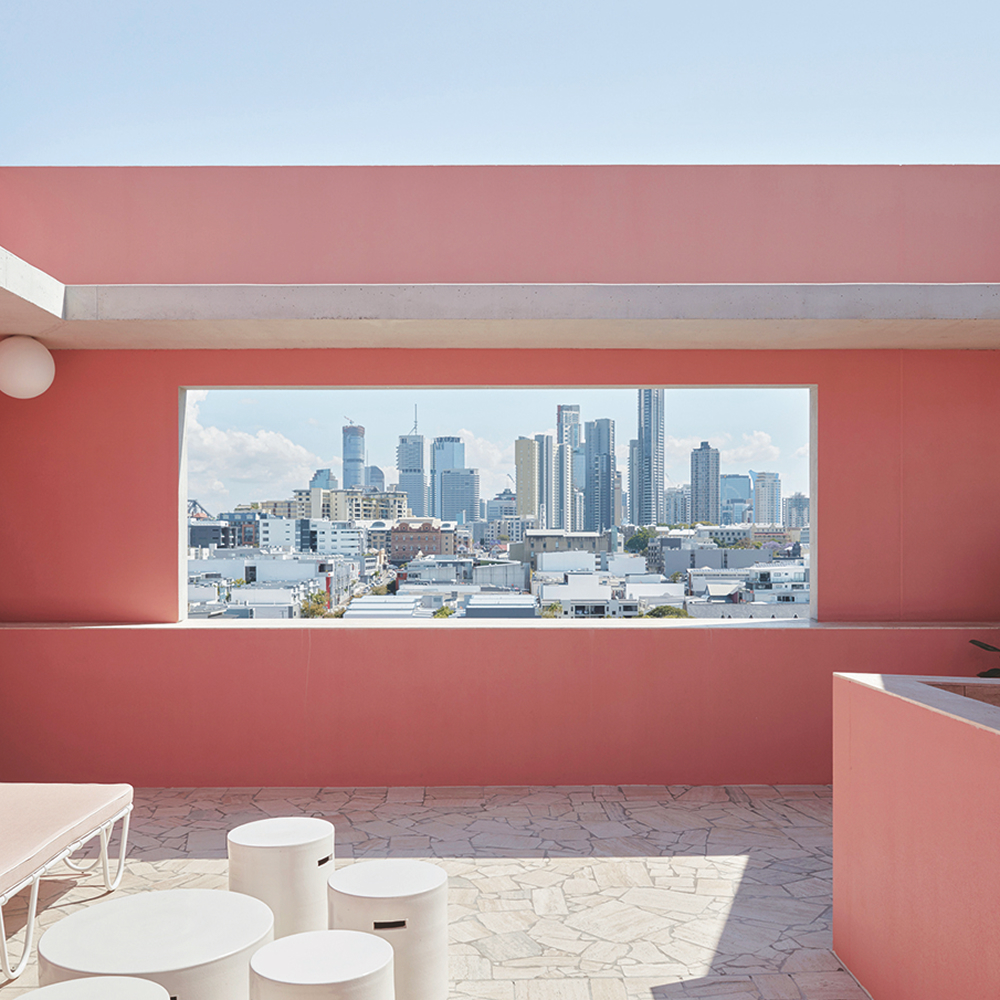
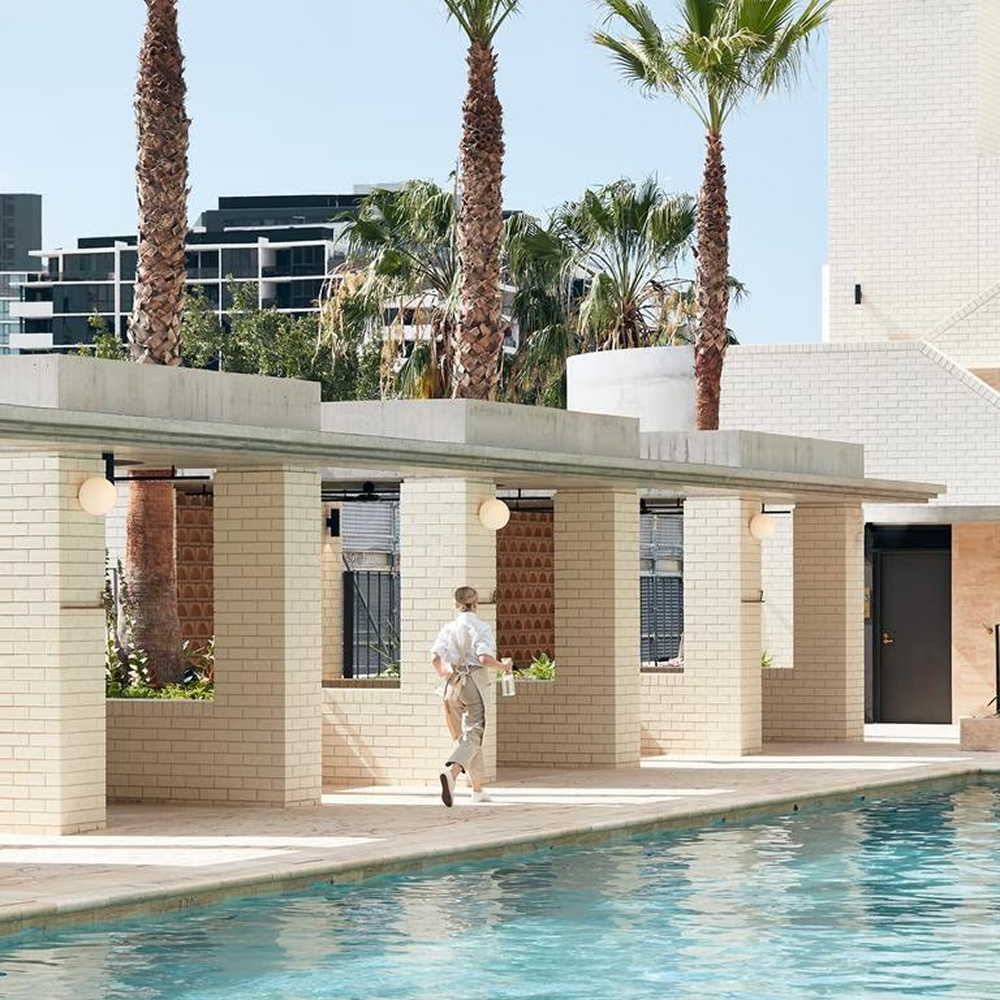
The Calile Hotel in Brisbane articulates a focused urban lifestyle positioning supported by food and beverage, events, and design retail. Revenue streams complement accommodation rather than compete with it. This integrated model demonstrates clarity of demand and operational intent, reinforcing confidence in projected performance.
Ambition must correspond to feasible scale and management capacity. Expansion plans that outpace operational structure introduce risk.
Hôtel Les Roches Rouges balances architectural identity with measured capacity and controlled programming. The property expresses a clear Mediterranean positioning without multiplying concepts. Investors interpret proportional growth as evidence of disciplined capital deployment.
Investors assess durability across cycles. Concepts built around short lived design currents or cultural momentum struggle to demonstrate resilience. Stable identity grounded in context and philosophy signals stronger long term potential.
Amangiri positions itself around landscape integration and spatial restraint. Its identity does not depend on stylistic novelty. The architectural language, service rhythm, and communication remain consistent over time. This continuity strengthens perceived stability.
Projects anchored in awards, influencer traffic, or temporary hype rely on variables beyond operational control. Investors prefer concepts grounded in repeat demand and consistent positioning.
The Silo Hotel in Cape Town expresses a defined design language and strong location logic. Its appeal stems from site transformation and brand clarity rather than transient visibility. This foundation reassures capital partners because demand aligns with intrinsic value.
Longevity also depends on controlled evolution. A concept should accommodate refinement without losing identity.
Explora Patagonia operates around expedition, immersion, and geographic specificity. Programming evolves, yet the guiding philosophy remains stable. Investors value this capacity for adaptation within clear boundaries, as it signals resilience without drift.
Investors analyse governance, operating model, and cost structure before design spectacle. Visual ambition must correspond to realistic staffing, service standards, and budget control.
The Whitby Hotel demonstrates how strong identity aligns with disciplined operations. Design expression remains distinctive, yet scale and service model remain controlled. The concept translates clearly into daily management, which supports investor confidence.
Strategic maturity appears through defined boundaries. Investors look for evidence that leadership can decline ideas that dilute focus.
Alila Villas Uluwatu maintains a defined architectural and environmental philosophy. Programming, partnerships, and communication remain aligned with sustainability and spatial coherence. This consistency reflects deliberate decision making rather than accumulation.
Operational transparency reassures investors that concept translates into execution. Staffing ratios, service posture, and cost logic must align with positioning.
The Datai Langkawi integrates environmental stewardship, architecture, and service model within a coherent operational framework. The concept supports pricing through authenticity and controlled scale. Investors interpret this alignment as reduced execution risk.
Hospitality investment evaluates your ability to align concept, market demand, operations, and capital within one coherent system. Investors prioritise clarity of vision supported by disciplined implementation plans. They assess whether ambition corresponds to operational structure and whether differentiation stems from focus rather than accumulation.
A concept that demonstrates proportionality, market understanding, and internal coherence inspires stronger confidence than one built on layered ideas and aesthetic intensity without structural grounding. Investment rewards disciplined thinking because discipline reduces uncertainty.
Epikure supports hospitality founders in refining positioning, aligning concept with market logic, and structuring projects to inspire investor confidence. You can initiate this alignment through the Epikure contact page and reinforce your strategic foundations before entering investment discussions.
