
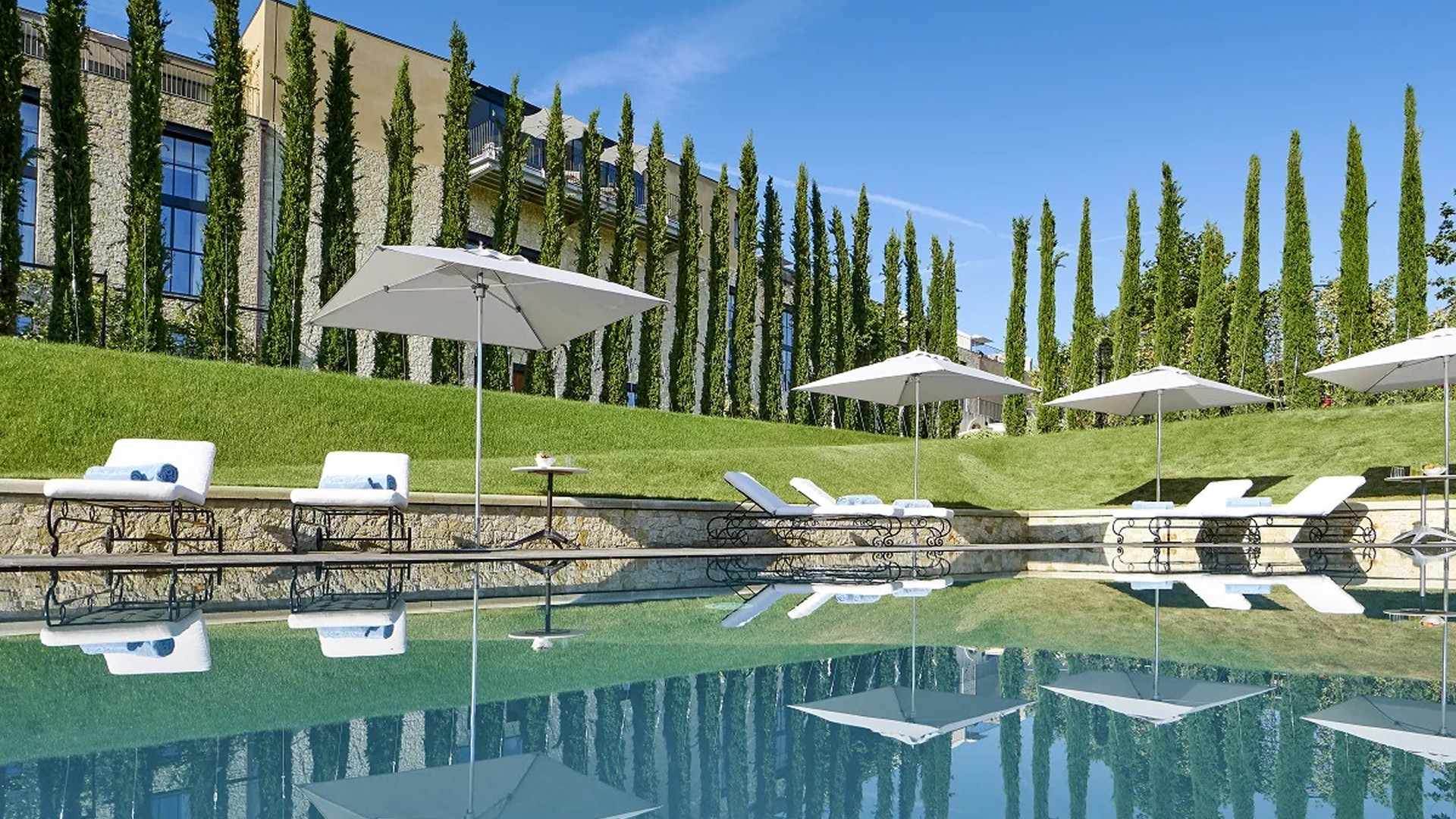
Belonging is the most intimate form of comfort. It appears when architecture, rhythm, and emotion align. Certain hotels achieve this connection through balance and restraint rather than familiarity. Materials feel natural, light feels human, and scale feels protective. Guests enter spaces that read their needs intuitively, creating a sense of ease that transcends design. Hospitality becomes emotional architecture, translating precision and sincerity into warmth and trust.
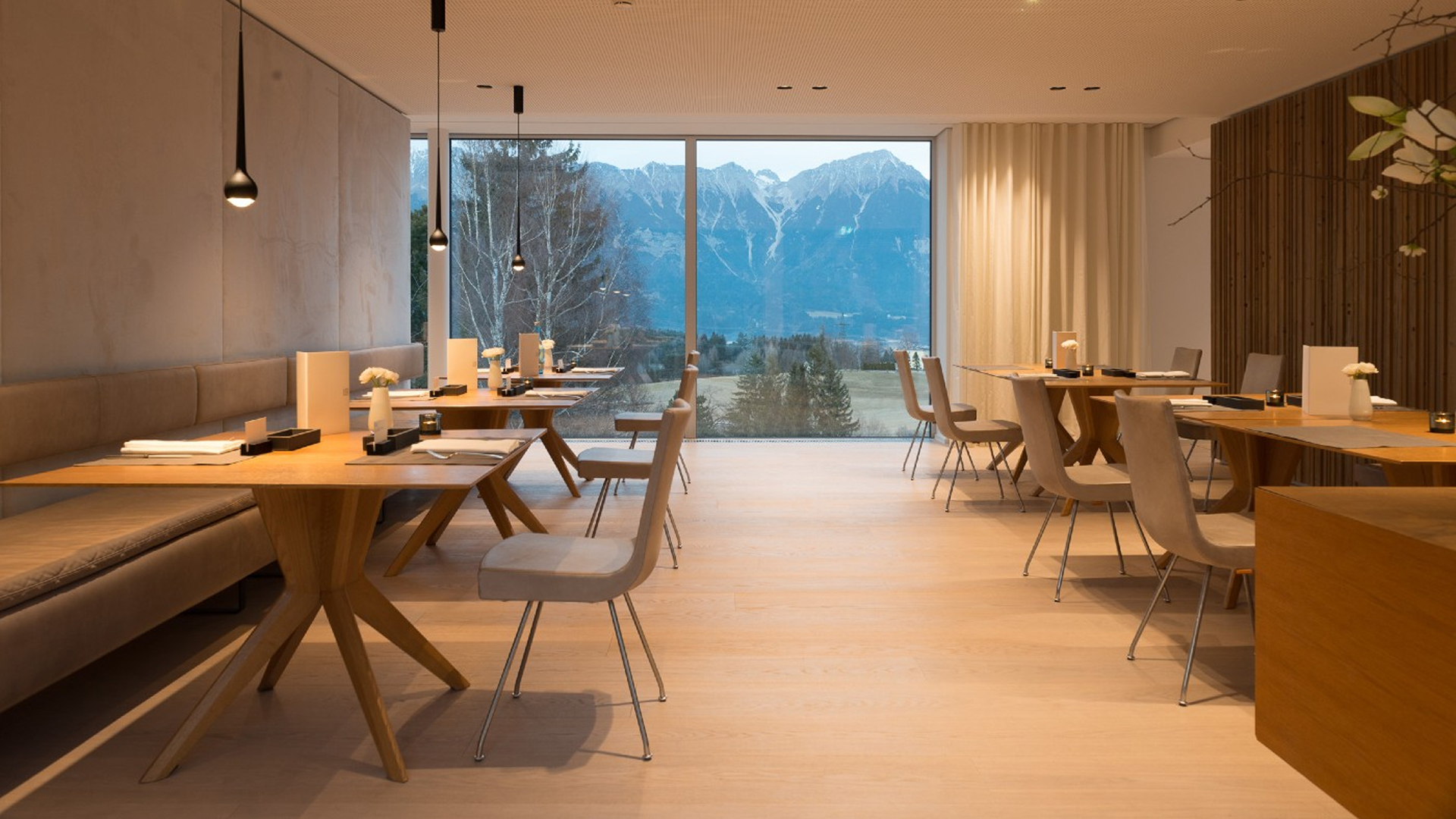
Comfort begins with proportion. Spaces that hold the right dimensions allow the body to settle and the mind to rest. The Guesthouse Vienna demonstrates this mastery through calm geometry, high ceilings, and measured distances between elements. The architecture speaks quietly, offering structure without excess. Guests feel accompanied rather than impressed. Proportion becomes invisible support, giving rhythm to every gesture, from arrival to rest.
Movement within space defines belonging. When circulation feels intuitive, guests navigate without hesitation. The Lanserhof Lans in Austria achieves this through a seamless flow between wellness, dining, and rest. Corridors open toward natural light, and transitions happen softly. Each room connects with the next through visual cues and consistent proportion. The rhythm of the architecture follows the body’s rhythm, translating precision into calm.
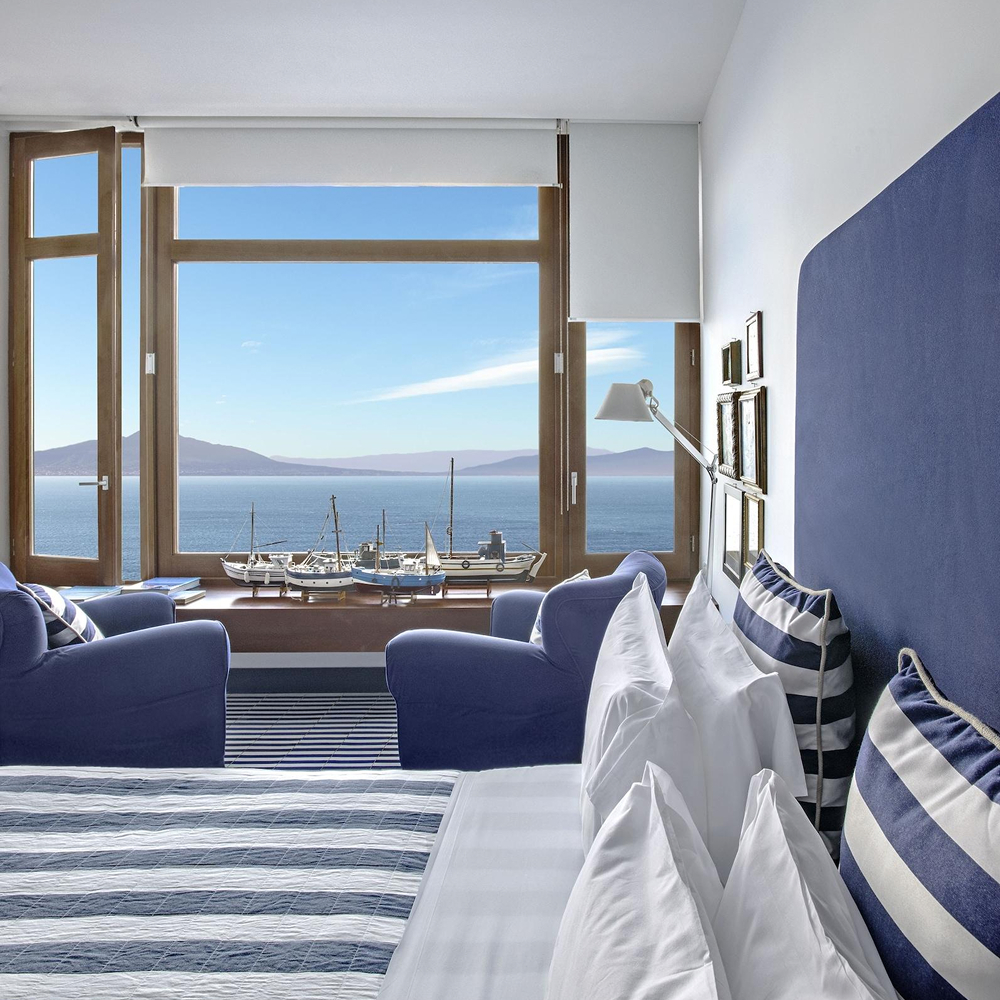
Hotels that master belonging design both solitude and sociality. Maison La Minervetta in Sorrento balances private rooms with open living areas overlooking the sea. Light connects spaces without removing intimacy. Guests experience both distance and presence, feeling part of a larger harmony. The sense of belonging grows from choice, the freedom to join or withdraw without effort.
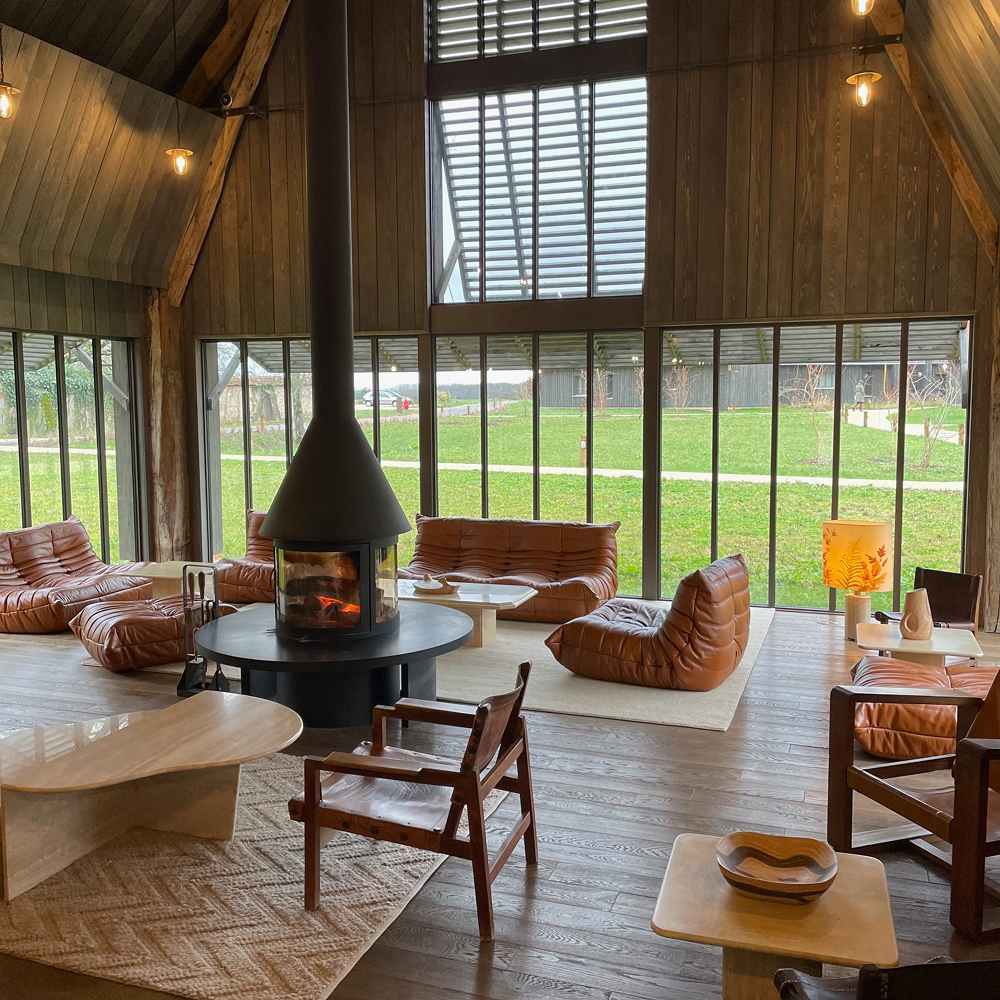
Material language shapes perception before words. Natural textures evoke calm through temperature, grain, and scent. Castello di Reschio in Umbria expresses belonging through craftsmanship. Handmade furniture, plaster walls, and local wood create continuity between history and comfort. Guests touch authenticity at every scale. Material honesty builds trust, revealing that sincerity is the highest form of sophistication.
Light defines how materials feel. Hotel Il Pellicano captures this through golden reflections on travertine and linen. Surfaces glow gently, and contrast remains low. The combination of soft light and tactile depth builds a sensory calm that feels instantly familiar. The guest’s perception of warmth comes from design that understands the emotional weight of every texture.
Details complete belonging. In Les Sources de Cheverny, design remains understated yet deeply considered. Handles, fabrics, and fixtures reveal intention without decoration. Each element invites attention but never demands it. Discretion becomes elegance. Guests perceive care through harmony rather than display, and this quiet precision creates a memory of presence that endures.
Belonging emerges when hospitality aligns with empathy. Architecture provides form; care gives it meaning. Villa La Coste in Provence exemplifies this integration. Art, landscape, and design converge to create spaces that listen rather than speak. Guests sense coherence between every gesture and material. The experience feels complete because nothing breaks rhythm or attention.
True belonging depends on sincerity, not imitation. It grows from architecture that anticipates comfort and service that mirrors intention. Each proportion, texture, and light source forms part of an emotional structure that surrounds the guest. Epikure helps properties design experiences that translate this balance into identity. Contact us to build spaces where architecture and emotion coexist with quiet precision.
