
High pricing does not automatically generate premium perception. Guests evaluate value through coherence between architecture, service rhythm, atmosphere, and operational clarity long before they judge room rates in isolation. Two hotels can operate within the same price category while producing completely different emotional responses. One feels controlled, intentional, and memorable. The other feels expensive without feeling truly premium. This distinction comes from alignment rather than investment level. Premium hospitality builds confidence because every touchpoint reinforces the same positioning with consistency. Expensive hospitality often relies on visible luxury markers, oversized spaces, or decorative intensity without establishing a clear experiential logic. Guests recognise this difference quickly because trust develops through continuity between promise and execution rather than through accumulation alone.
Guests feel reassured when a hotel expresses one coherent idea across architecture, service, and communication. Clear positioning reduces interpretation and allows the experience to feel stable from the first interaction onward. Every decision supports the same direction, which strengthens emotional comfort and reinforces perceived value naturally.
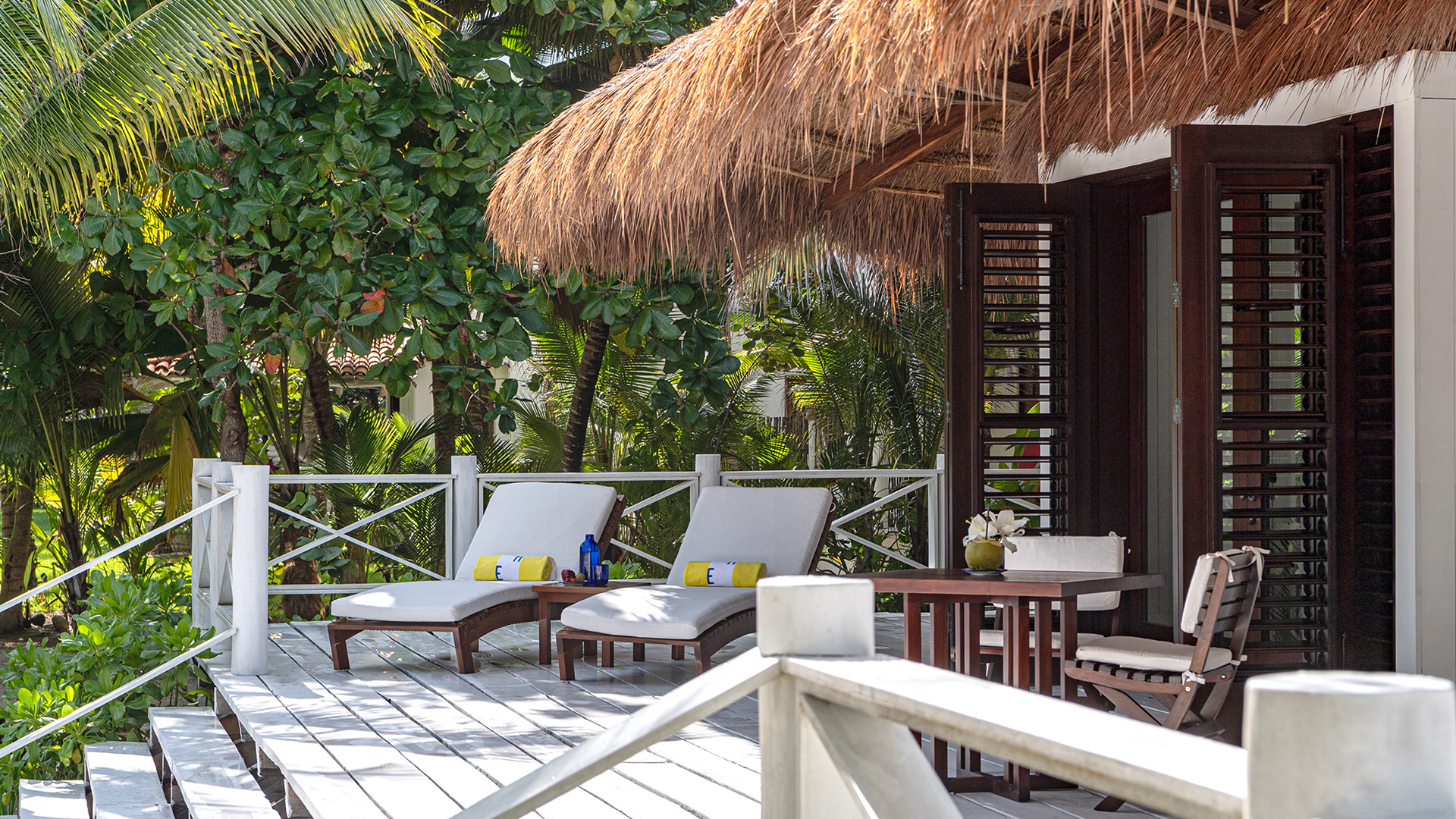
Hotel Esencia structures its identity around privacy, restraint, and connection to the Caribbean coastline. Architecture remains understated. Service pacing stays calm and measured. Digital communication reflects the same atmosphere introduced on site. The property feels premium because every layer of the experience reinforces one precise emotional direction instead of multiplying signals or competing narratives.
This clarity strengthens pricing credibility because guests understand immediately what the property stands for and who it serves. The experience feels intentional rather than constructed around visible demonstrations of luxury.
Some hotels invest heavily in monumental lobbies, decorative materials, or expressive interiors without establishing a precise experiential framework that connects these elements coherently. Guests perceive investment immediately, yet they struggle to identify the emotional logic behind the property and the reason the experience commands its pricing.
Atlantis The Royal demonstrates how architectural spectacle and large scale programming can produce strong visual impact while generating varied guest perceptions depending on expectations and touchpoints. Certain guests interpret abundance as luxury, while others perceive fragmentation because scale, atmosphere, and service rhythm do not consistently reinforce one unified logic across the property.
Premium perception depends less on visual intensity than on the relationship between promise, execution, and emotional comfort throughout the guest journey.
Guests evaluate hospitality experiences through repetition of aligned signals across every touchpoint. Rooms, restaurants, wellness areas, circulation, and service posture must reinforce the same level of attention and restraint continuously. When one element diverges sharply from the others, confidence weakens because guests begin recalibrating expectations from one interaction to the next.
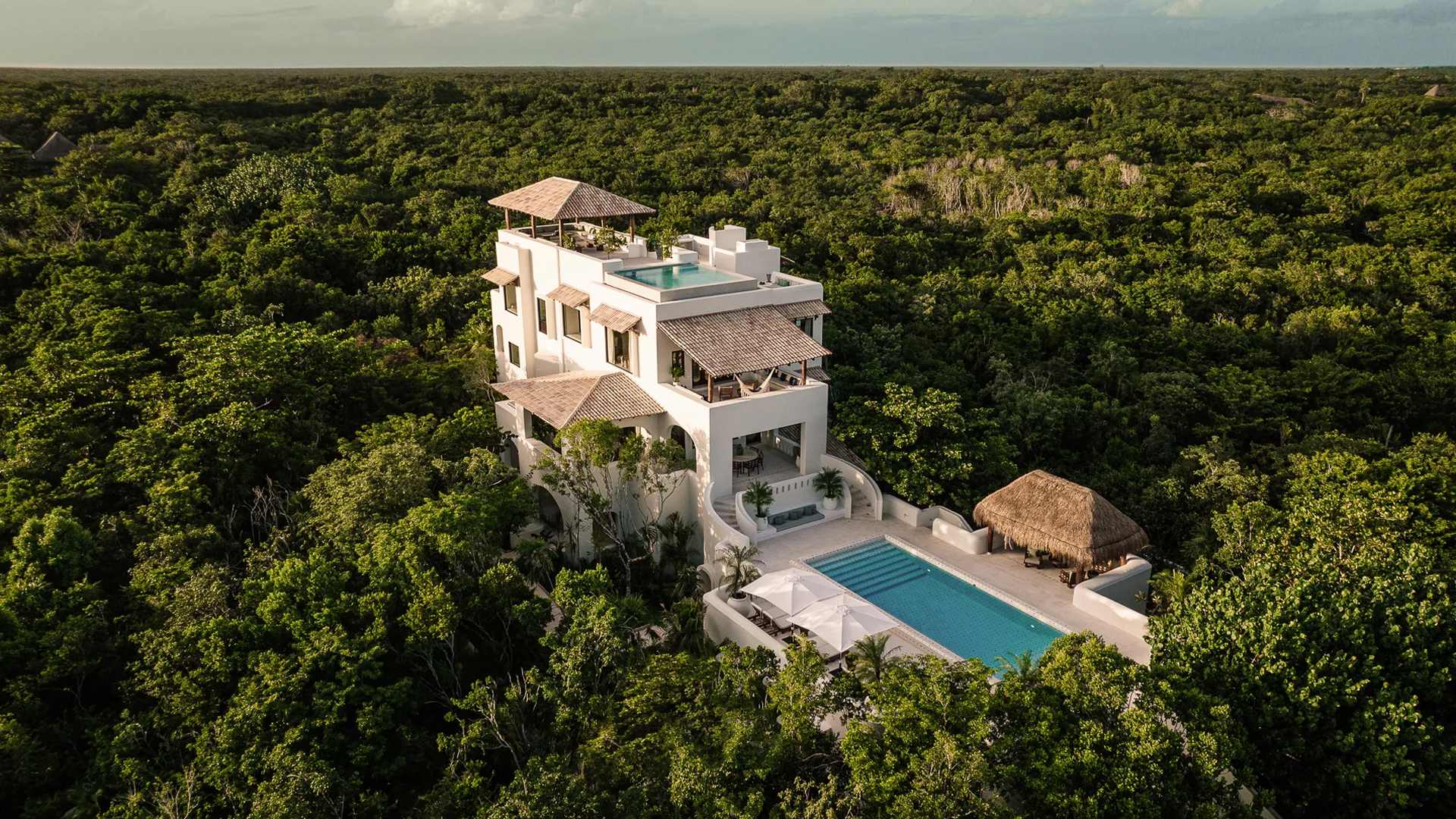
Can Ferrereta maintains continuity through architecture, lighting, service rhythm, and spatial pacing that all support the same calm Mediterranean positioning. Public areas and private spaces feel connected through proportion and atmosphere. Guests experience consistency rather than contrast, which strengthens the perception of refinement and operational maturity.
This type of coherence influences pricing credibility directly because guests interpret consistency as evidence of discipline, clarity, and long term positioning stability rather than temporary aesthetic effort.
Some properties deliver strong individual moments while lacking continuity across the overall guest journey. A refined restaurant can coexist with rooms that feel disconnected from the original positioning. Strong branding can contrast with transactional service interactions. Guests notice these inconsistencies quickly because the emotional tone shifts repeatedly throughout the stay.
SLS Dubai combines hospitality, dining, nightlife, and lifestyle positioning within one destination. Several spaces feel highly curated, while other interactions follow a more standard operational rhythm. This variation softens premium perception because the experience changes significantly depending on where guests spend time inside the property.
The issue does not come from quality alone. It comes from inconsistency between touchpoints and from the absence of one stable experiential logic connecting the whole environment.
Guests associate premium hospitality with emotional ease more than visible opulence. Calm circulation, intuitive service, acoustic control, and spatial balance shape perception more deeply than decorative abundance or visible spending. The strongest luxury experiences reduce tension instead of multiplying stimulation.
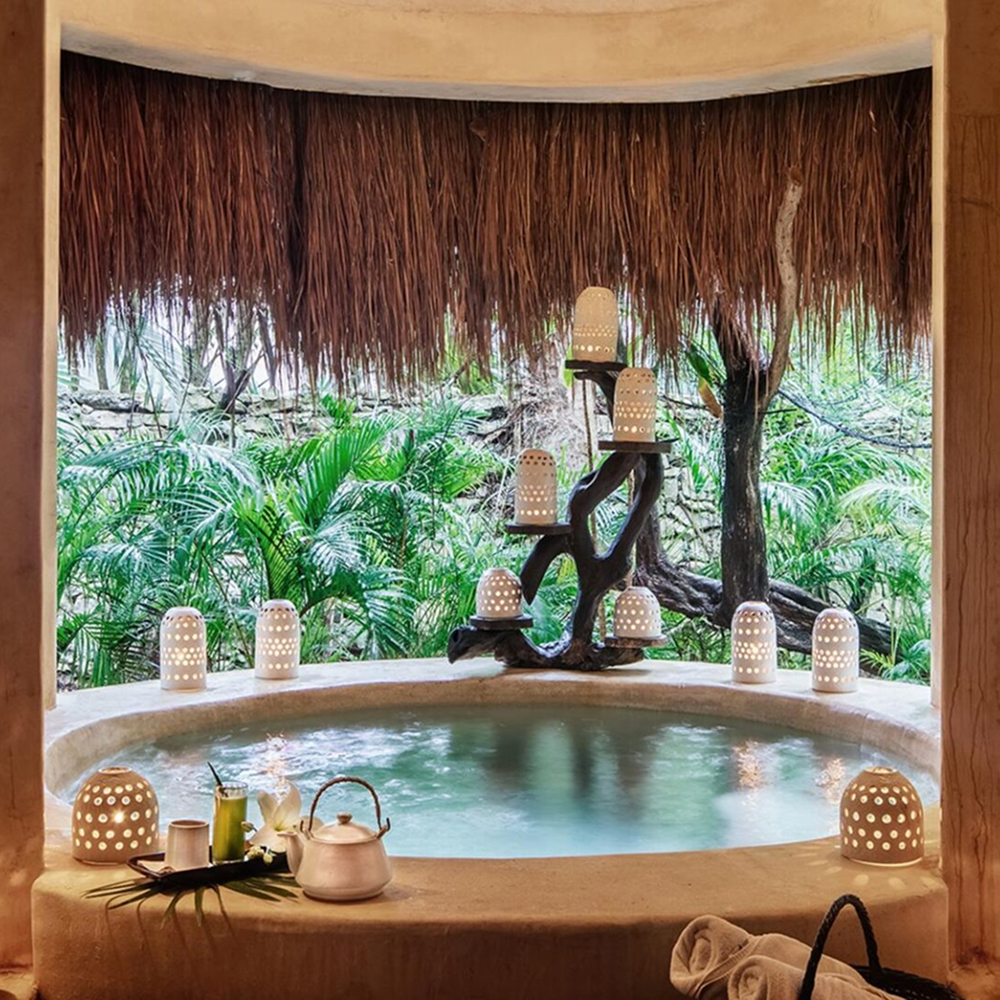
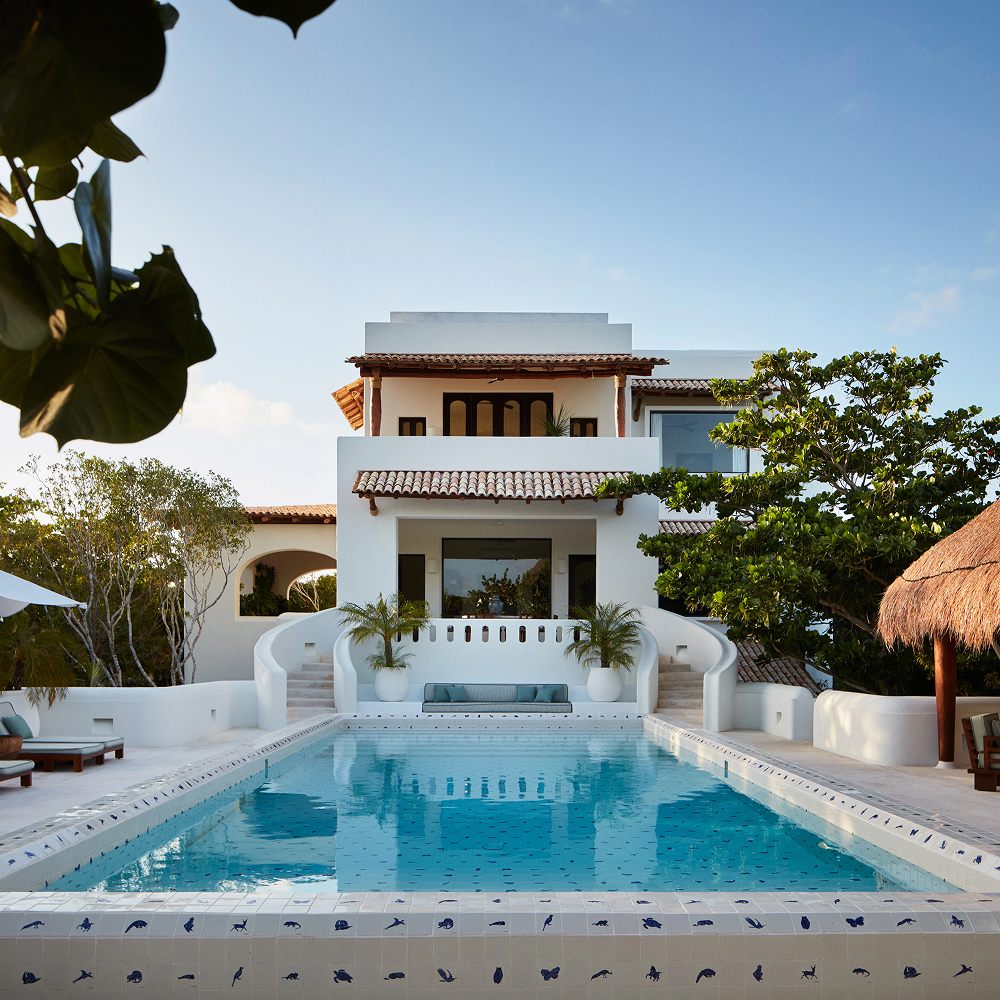
Son Net in Mallorca generates value through spatial restraint, landscape integration, and operational calm that reduce friction throughout the stay. Architecture feels measured. Service remains attentive without becoming intrusive. Guests relax quickly because the property maintains one coherent rhythm across every interaction and every environment.
This form of luxury feels stable because it prioritises clarity, comfort, and continuity over demonstration.
Hotels built mainly around visual performance often require constant reinvention to maintain attention. Properties grounded in clear positioning and disciplined execution sustain stronger long term relevance because their value does not depend on novelty alone or on changing aesthetic trends.
Shinta Mani Wild structures its experience around environmental immersion, controlled scale, and highly personalised pacing. Architecture, operations, and guest journey reinforce the same philosophy continuously. Pricing feels credible because the experience remains coherent from arrival to departure and because every touchpoint supports the same emotional direction.
Long term premium perception depends on this alignment between concept and execution rather than on visible expressions of luxury alone.
The distinction between premium and expensive hospitality depends less on budget than on coherence. Architecture, service, digital identity, and operational rhythm must reinforce the same positioning consistently across the entire guest journey. Guests perceive value when every touchpoint confirms one clear idea without contradiction or fluctuation.
Hotels that achieve this alignment justify pricing naturally because the experience feels controlled, credible, and emotionally stable from beginning to end. The perception of luxury then emerges from clarity and continuity rather than from accumulation or spectacle.
For hospitality projects seeking to strengthen perceived value, the most revealing analysis often comes from identifying where positioning, operations, and guest perception stop reinforcing one another, a strategic perspective frequently developed alongside Epikure.
