
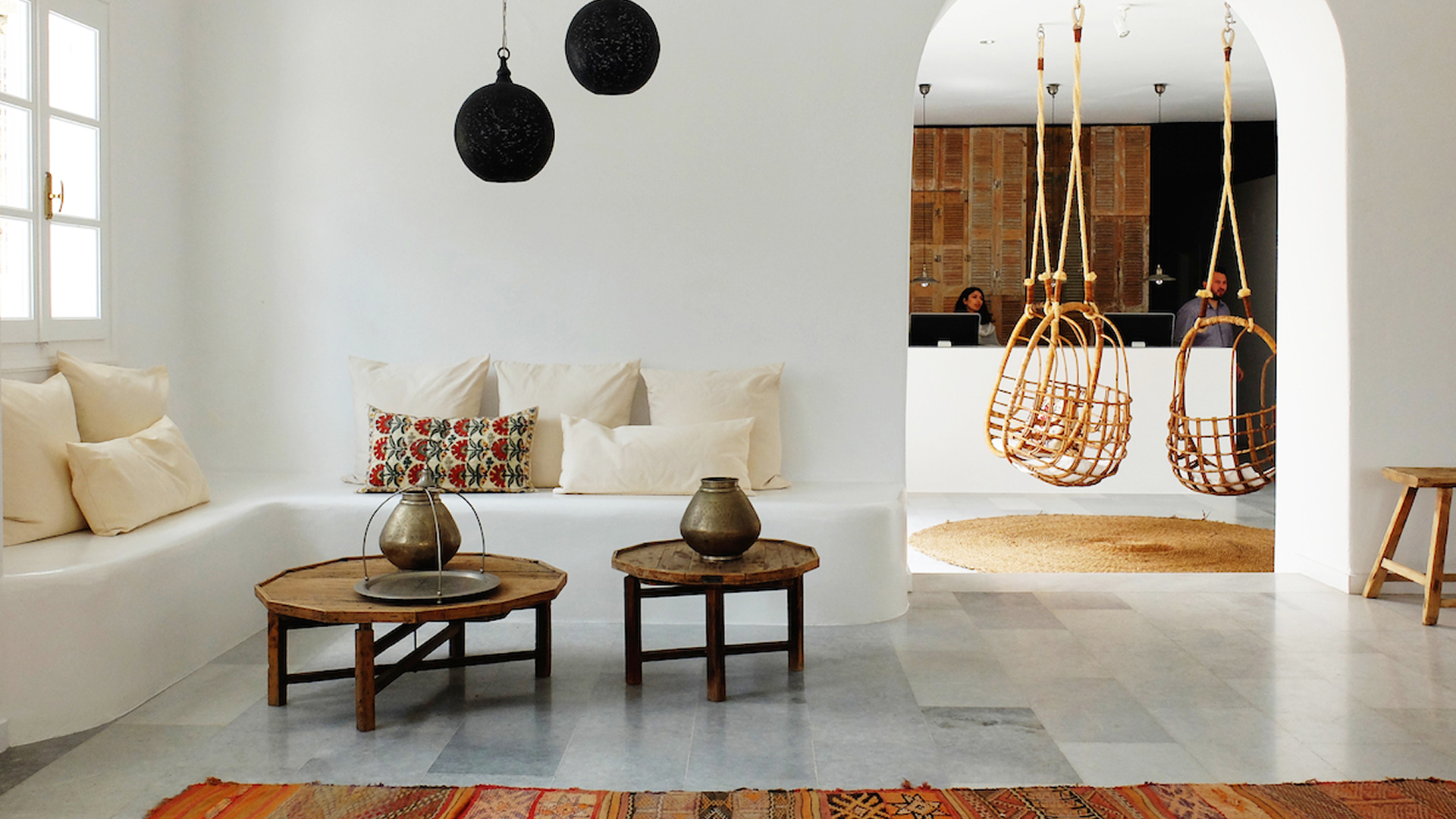
Luxury hospitality often becomes stronger when space contains less rather than more. Guests respond positively to environments that feel clear, balanced, and readable because perception stabilises when architecture, materials, and circulation follow one disciplined logic. Minimalist hotel design does not remove elements to appear aesthetic or conceptual. It reduces unnecessary visual and spatial noise so that comfort, rhythm, and atmosphere become easier to perceive. This distinction matters because guests associate premium quality with control and coherence rather than with accumulation. Simplicity strengthens perceived value when every material, proportion, and operational gesture feels intentional. Hotels that rely on excessive layering, decorative density, or competing visual signals often weaken orientation and emotional comfort despite high investment levels.
Guests understand a hotel more quickly when circulation, volumes, and visual hierarchy remain clear from the first interaction onward. Minimalist environments reduce interpretation because architecture guides movement naturally without requiring constant stimulation or explanation.
Casa Cook Samos structures rooms, pathways, and shared spaces through restrained geometry and measured transitions that reinforce calm immediately. Materials remain consistent across the property. Public areas avoid visual overload. Guests perceive order because each spatial decision supports the same rhythm and atmosphere continuously.
Minimalist hotels often create stronger emotional impact because attention concentrates on proportion, light, and materiality instead of dispersing across decorative accumulation. Guests notice atmosphere more clearly when fewer elements compete for attention simultaneously.
August Antwerp transforms a former convent into a hospitality environment where restraint defines perception. Architecture, lighting, and furniture maintain disciplined continuity across spaces. The experience feels premium because the property prioritises clarity over visual performance.
Hotels with excessive textures, layered ornamentation, or competing stylistic references often generate cognitive fatigue even when individual elements appear luxurious. Guests struggle to identify hierarchy because every surface attempts to communicate importance at the same time.
Some contemporary luxury resorts combine multiple aesthetic influences, dramatic lighting systems, and oversized decorative interventions in ways that fragment perception across public spaces. Guests perceive investment immediately, yet the experience can feel visually unstable because no single spatial logic organises the environment coherently.
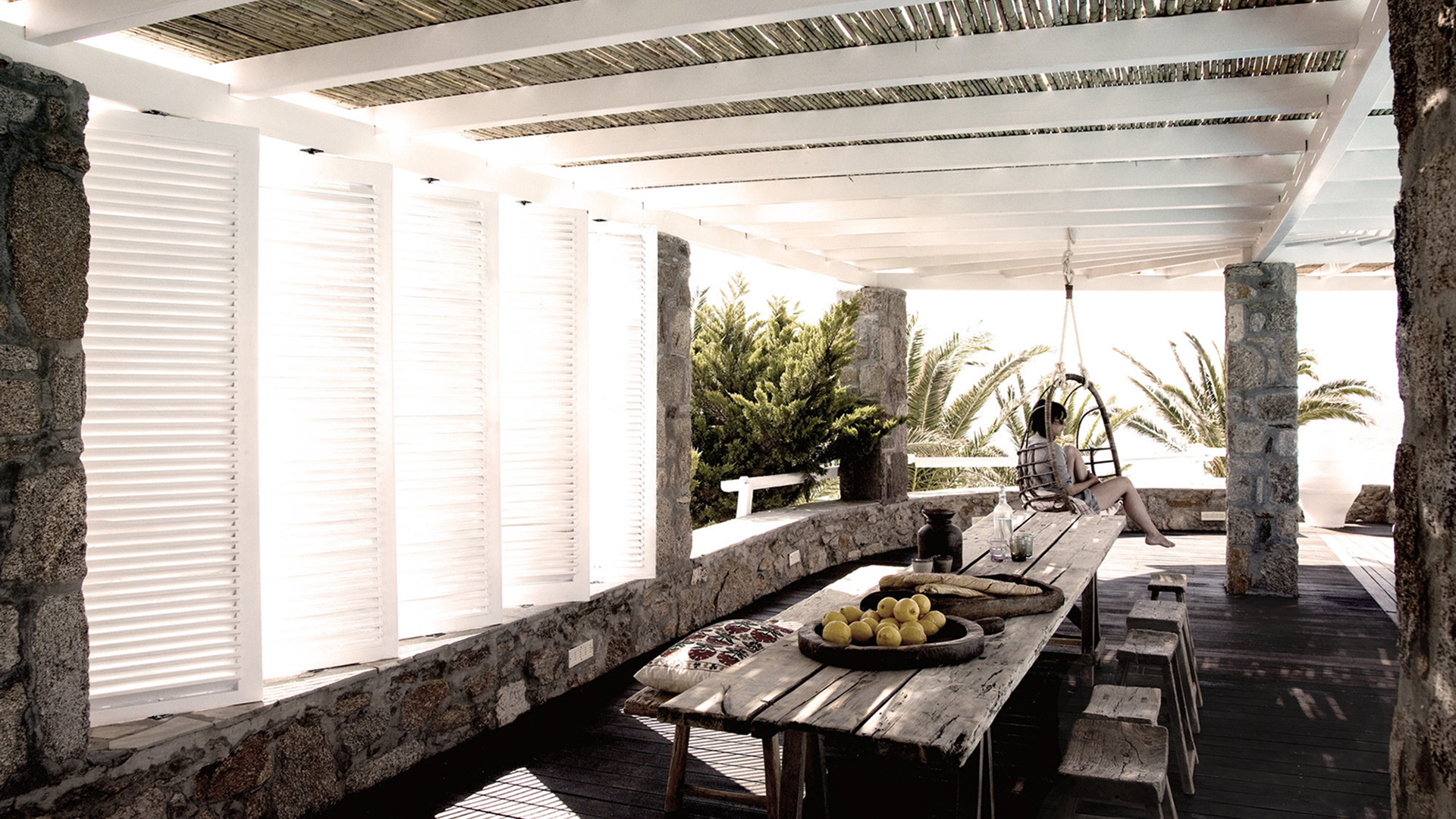
Minimalist hospitality depends heavily on proportion, texture, and construction precision because fewer elements remain available to shape perception. Materials therefore become more visible and more meaningful within the overall experience.
Vipp Hotel Lake structures the guest experience around restrained material contrast, controlled framing, and spatial calm that allow steel, timber, and landscape to interact clearly. Nothing distracts from the relationship between architecture and environment. Guests perceive quality because details remain legible and coherent.
Premium perception strengthens when materials follow one consistent architectural language across rooms, public spaces, and circulation areas. Guests interpret this continuity as evidence of discipline and operational maturity.
Casa na Areia maintains continuity through restrained textures, soft tonal variation, and simplified construction logic that align naturally with the surrounding environment. The property feels grounded because material choices reinforce one stable identity instead of multiplying stylistic references.
Minimalist hotels understand that emptiness plays an active role in perception. Open surfaces, controlled spacing, and visual breathing room allow architecture to feel intentional and calm. Guests associate this restraint with confidence because the property does not rely on accumulation to justify positioning.
This principle explains why highly simplified hospitality environments often feel more premium than visually overloaded properties operating at similar pricing levels. Space itself becomes part of the experience rather than a surface to fill continuously.
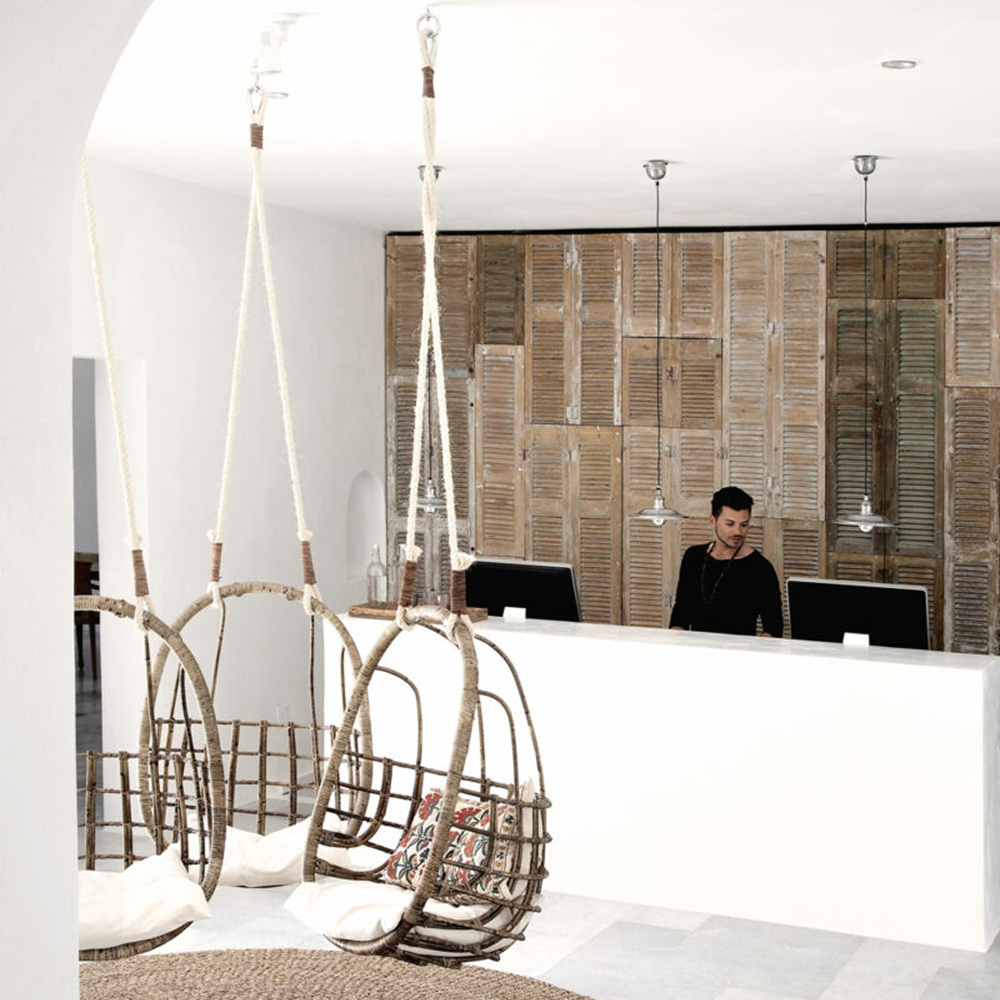
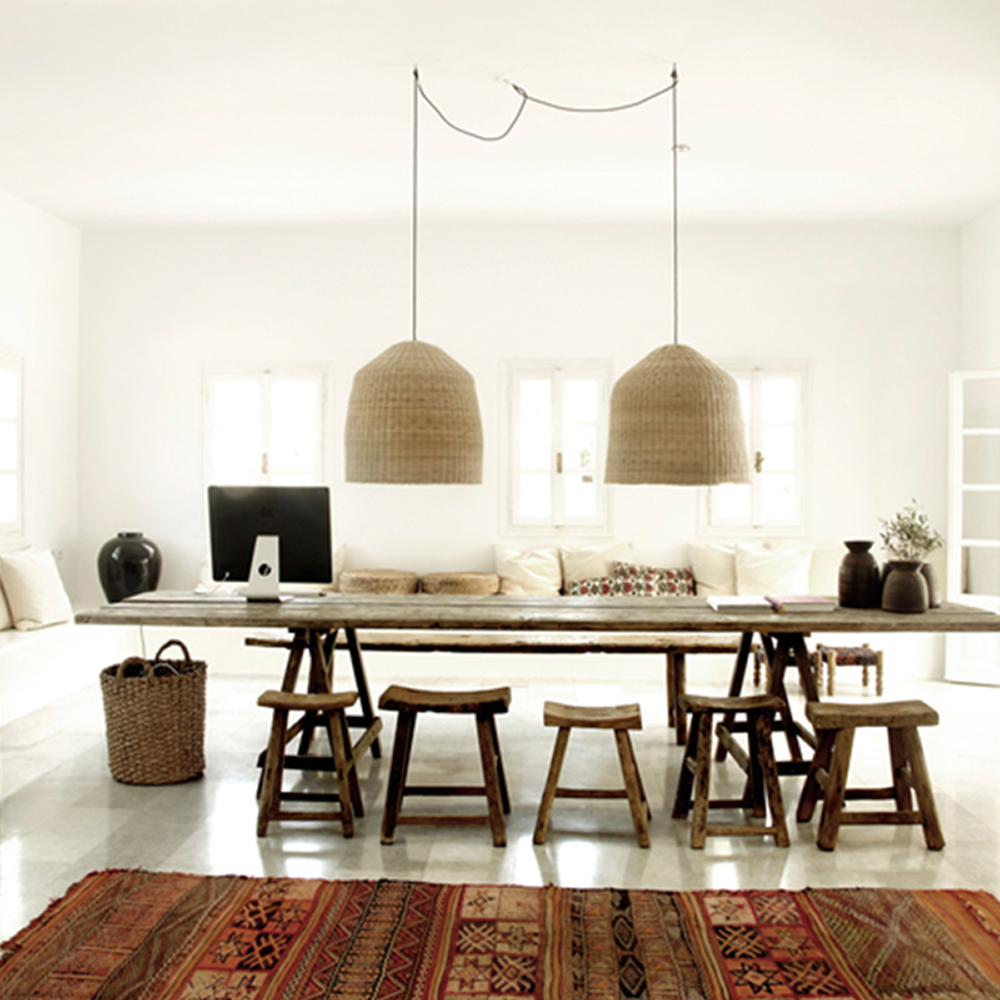
Minimalism influences operations as much as architecture. Guests perceive stronger coherence when service posture, spatial rhythm, and environmental atmosphere reinforce the same calm logic throughout the stay.
San Giorgio Mykonos aligns architecture, music, service pacing, and social atmosphere around one restrained Mediterranean identity. The experience feels unified because operational rhythm matches spatial simplicity consistently from arrival to departure.
Guests relax more easily when circulation remains intuitive, acoustic conditions stay controlled, and public spaces avoid unnecessary stimulation. Simplicity supports emotional comfort because the environment feels readable and stable.
Hotels that over program social spaces, visual messaging, and entertainment layers often weaken premium perception by introducing operational tension into environments originally positioned around relaxation and exclusivity.
Minimalist hospitality environments often age more effectively because they rely on proportion and material quality rather than trend driven decoration. Simplicity allows properties to maintain coherence over time without requiring constant redesign or visual reinvention.
Bruma Wine Resort structures its identity around landscape integration, restrained architecture, and operational clarity that remain stable beyond aesthetic trends. The property feels contemporary without depending on visual novelty because simplicity supports long term positioning durability.
Minimalist hotel design strengthens perceived luxury because reduction improves readability, emotional comfort, and architectural coherence simultaneously. Guests associate premium value with environments that feel controlled, intentional, and stable rather than visually saturated.
Hotels that remove unnecessary layers allow proportion, materiality, and operational rhythm to shape perception more clearly. Luxury then emerges through restraint and coherence rather than through decorative intensity.
For hospitality projects seeking to strengthen perceived value, analysing where visual, spatial, or operational accumulation weakens clarity often reveals stronger opportunities than adding new layers or aesthetic effects, a strategic reflection frequently developed alongside Epikure.
