
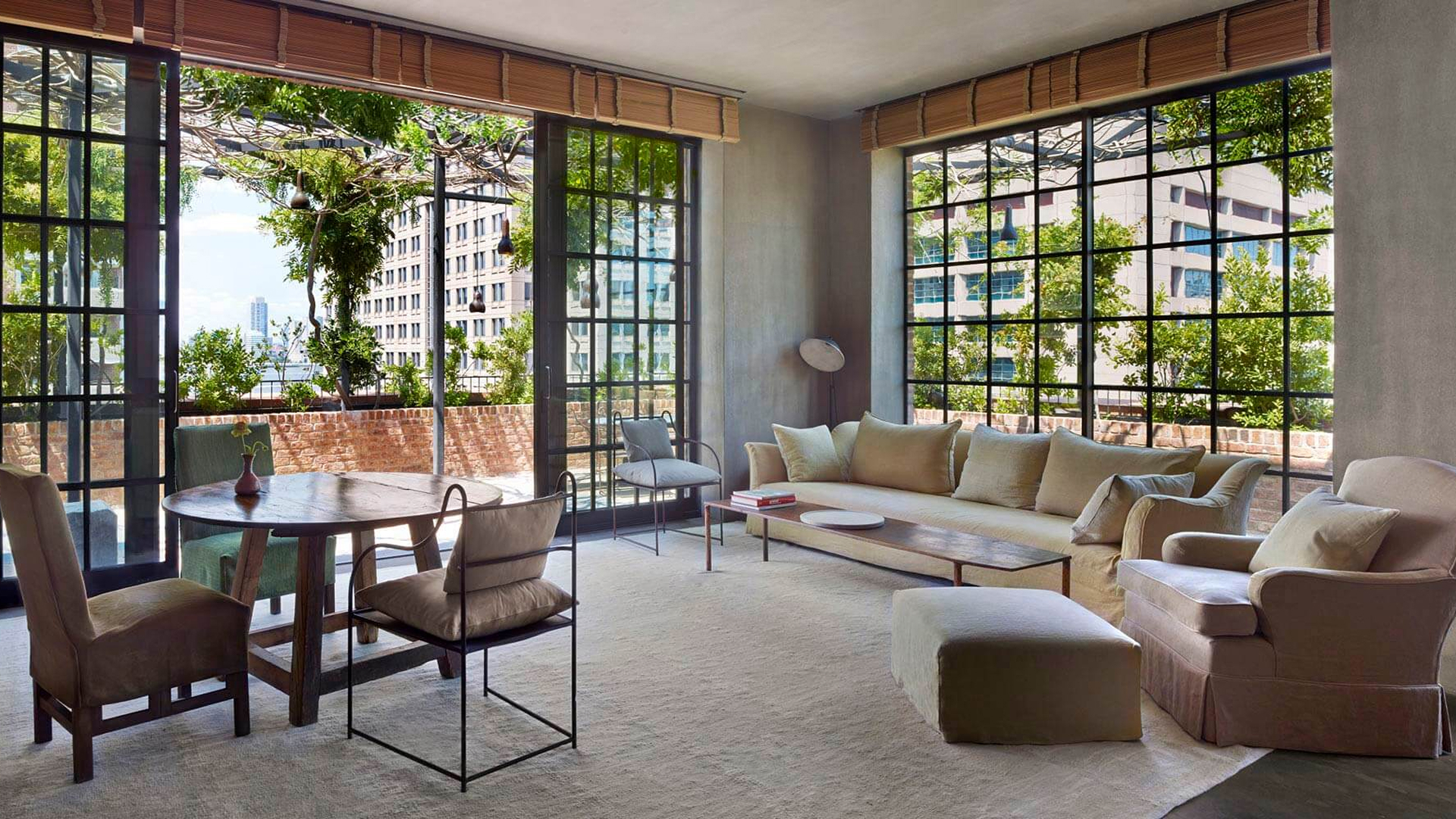
Location influences hospitality perception long before architecture, service, or branding enter the experience. Sea, mountain, desert, forest, or urban context each shape guest expectations immediately. Yet premium positioning does not come from geography alone. It comes from the ability to transform a location into a coherent experience where environment influences architecture, rhythm, circulation, and operational logic continuously. The strongest hospitality projects do not treat place as scenery. They structure the entire guest journey around it. Landscape becomes part of the identity, part of the emotional rhythm, and part of the positioning itself. Guests then remember the relationship with the environment rather than isolated amenities.
Hotels strengthen positioning when architecture and operations respond directly to surrounding geography instead of imposing a disconnected concept onto the site. Guests perceive this alignment instinctively because the property feels rooted rather than transferable.
Explora Atacama structures its experience entirely around the desert environment. Spatial rhythm, excursion pacing, architecture, and circulation all respond to climate, scale, and silence. The property does not separate hospitality from landscape. The landscape defines the experience itself.
Sea, mountain, and desert environments each influence the pace at which guests move, rest, and interact with space. Hotels that align operations with these natural rhythms generate stronger emotional coherence.
Forestis in the Dolomites structures guest experience around altitude, light variation, and silence. Architecture frames mountain views carefully while circulation remains slow and deliberate. Guests experience calm because the operational rhythm follows the environment rather than competing with it.
Properties grounded in context generate stronger long term recall because guests associate memory with a specific environment rather than with generic luxury markers.
Our Habitas Bacalar integrates lagoon proximity, open air circulation, and lightweight structures into the hospitality experience directly. Guests remember atmosphere and environmental immersion more than decorative details because the place itself becomes the emotional anchor.
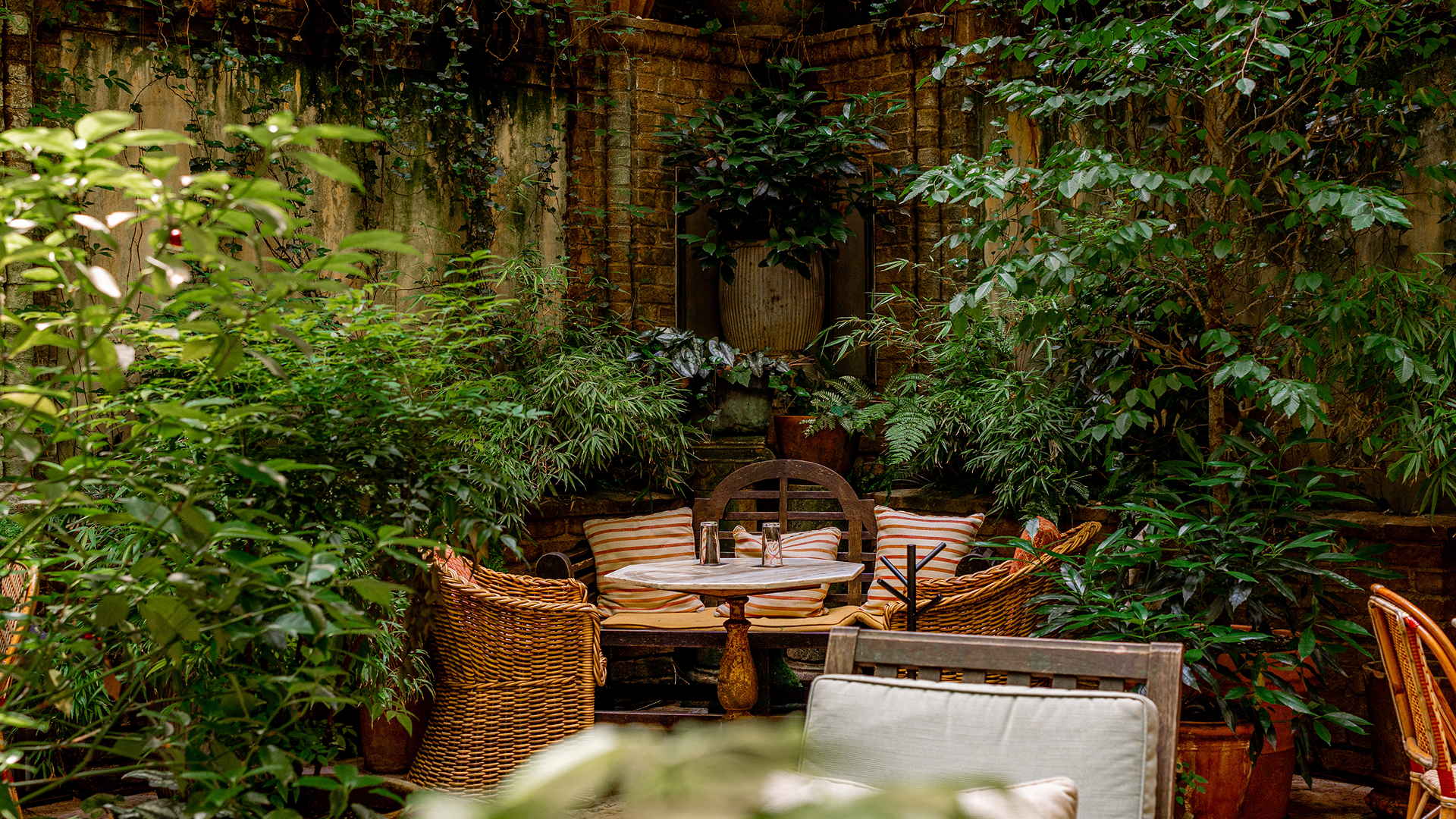
Location alone does not define premium perception. Architecture determines how guests experience the environment physically and emotionally. Volumes, materials, orientation, and transitions all influence how place becomes hospitality.
Octant Douro positions architecture toward the river through terraces, glazing, and proportional restraint that reinforce connection with the landscape continuously. Interior atmosphere follows the same calm rhythm as the surrounding environment. Guests perceive continuity because architecture translates geography into experience directly.
Hotels that compete visually with their surroundings often weaken environmental immersion. Properties that frame and support the landscape generate stronger positioning because guests remain connected to place throughout the stay.
Juvet Landscape Hotel structures cabins around carefully framed views that prioritise immersion over architectural spectacle. Volumes remain restrained and secondary to the environment. The experience feels premium because architecture supports perception instead of demanding attention constantly.
Materials strengthen positioning when they respond to climate, geography, and local construction logic. Guests interpret this coherence as authenticity and operational maturity.
Kasbah du Toubkal in the Atlas Mountains relies on stone, earth tones, and local construction methods that align naturally with surrounding terrain. Architecture and environment reinforce one another continuously, which strengthens credibility and emotional depth.
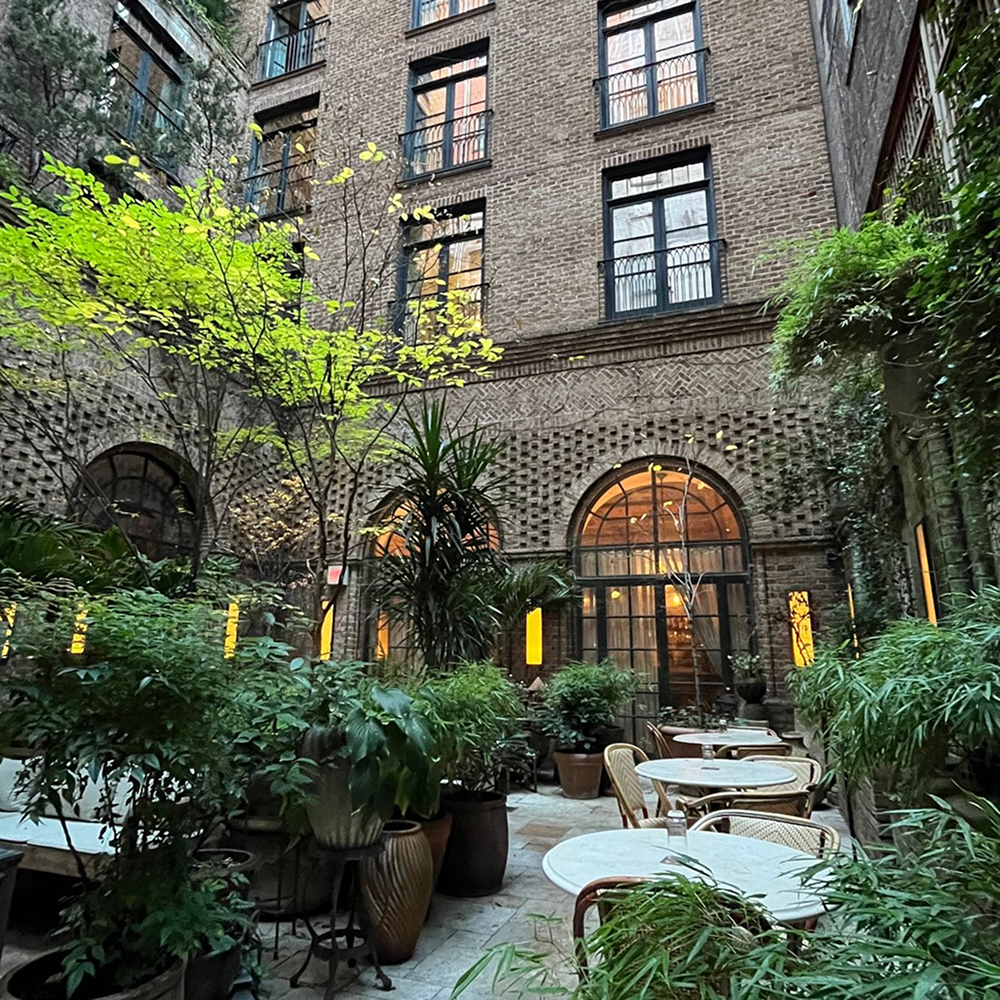
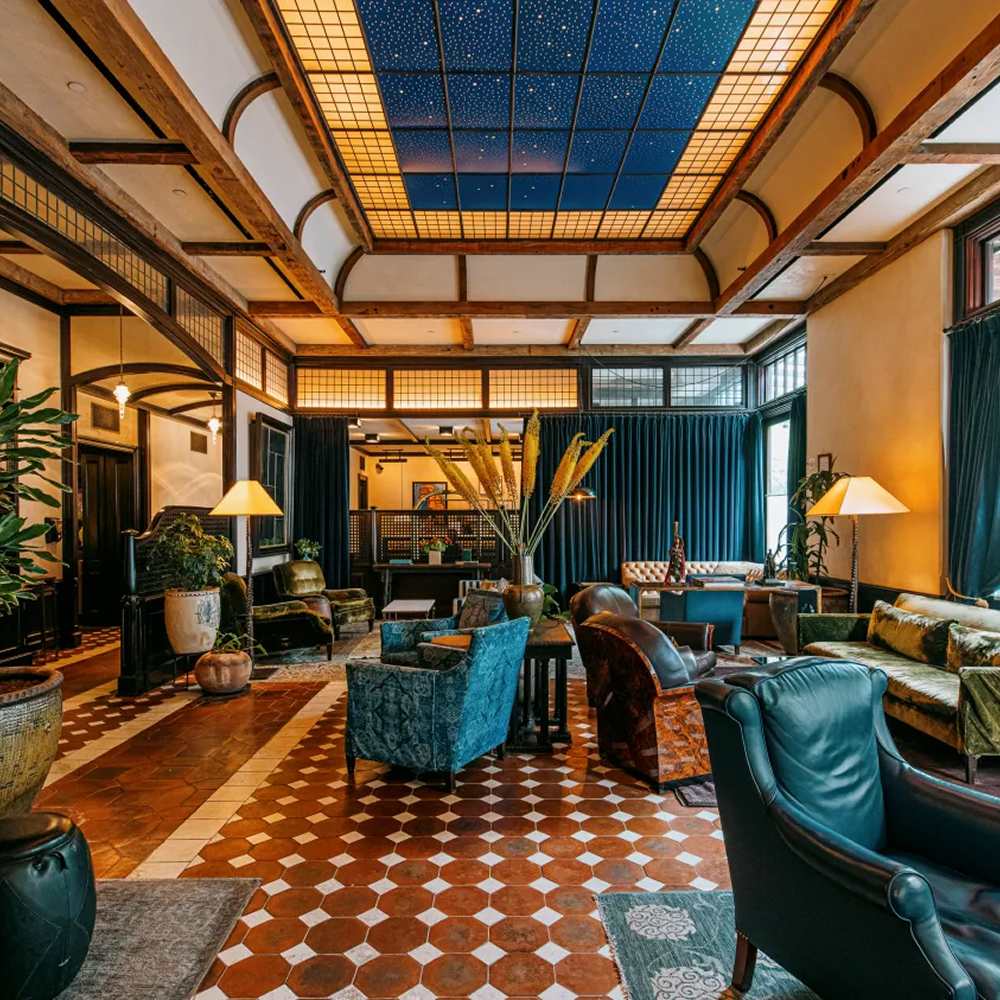
Location strategy matters equally in cities. Urban hospitality becomes stronger when properties interpret neighbourhood rhythm, cultural context, and social dynamics rather than isolating themselves from the city around them.
The Greenwich Hotel in New York integrates residential scale, material warmth, and discreet service into the rhythm of Tribeca. The property feels connected to its environment rather than detached from it. Guests experience intimacy because the hotel reflects neighbourhood identity consistently.
Urban hotels weaken positioning when they replicate global luxury codes without responding to local rhythm or architecture. Contextual integration strengthens differentiation and long term relevance.
Hôtel des Académies et des Arts in Paris structures identity around the artistic and residential atmosphere of Montparnasse. Spatial scale, visual language, and guest rhythm align with the neighbourhood rather than with generic luxury conventions.
Guests increasingly associate luxury with access to meaningful context rather than with isolation from place. Hotels that integrate local atmosphere, architecture, and rhythm generate stronger emotional value.
The Largo in Porto structures hospitality around the city’s architectural density and slower residential pace. Interiors, circulation, and service posture reinforce the feeling of inhabiting the city rather than observing it externally.
Luxury hospitality gains clarity when environment influences architecture, operations, and guest rhythm continuously. Sea, mountain, desert, and urban contexts each become strategic assets when properties integrate them into the experience rather than treating them as decorative backdrops.
Hotels that align positioning with geography build stronger memorability, emotional coherence, and pricing credibility because guests perceive a relationship between place and experience that feels authentic and stable.
For hospitality projects seeking to strengthen positioning, analysing how architecture, service rhythm, and operational choices respond to surrounding context often reveals the true depth of the guest experience, a strategic reflection frequently developed alongside Epikure.
