

Many luxury hotels reference local culture through decorative details, curated objects, or isolated design gestures. Guests notice these signals immediately, yet they also recognise when cultural integration remains superficial and disconnected from the deeper logic of the property. Authentic local positioning emerges when architecture, operations, gastronomy, and guest experience all respond consistently to the surrounding context rather than borrowing visual references selectively. This distinction shapes credibility directly. Hotels grounded in local culture feel coherent because the environment influences the entire hospitality experience. Properties relying mainly on aesthetic interpretation often feel interchangeable despite high levels of investment. Guests perceive authenticity through continuity between place, rhythm, materiality, and service rather than through decoration alone.
Architecture communicates immediately whether a property belongs to its environment or simply references it visually. Spatial organisation, construction logic, and relationship with climate all influence how guests interpret authenticity from the first moments of arrival.
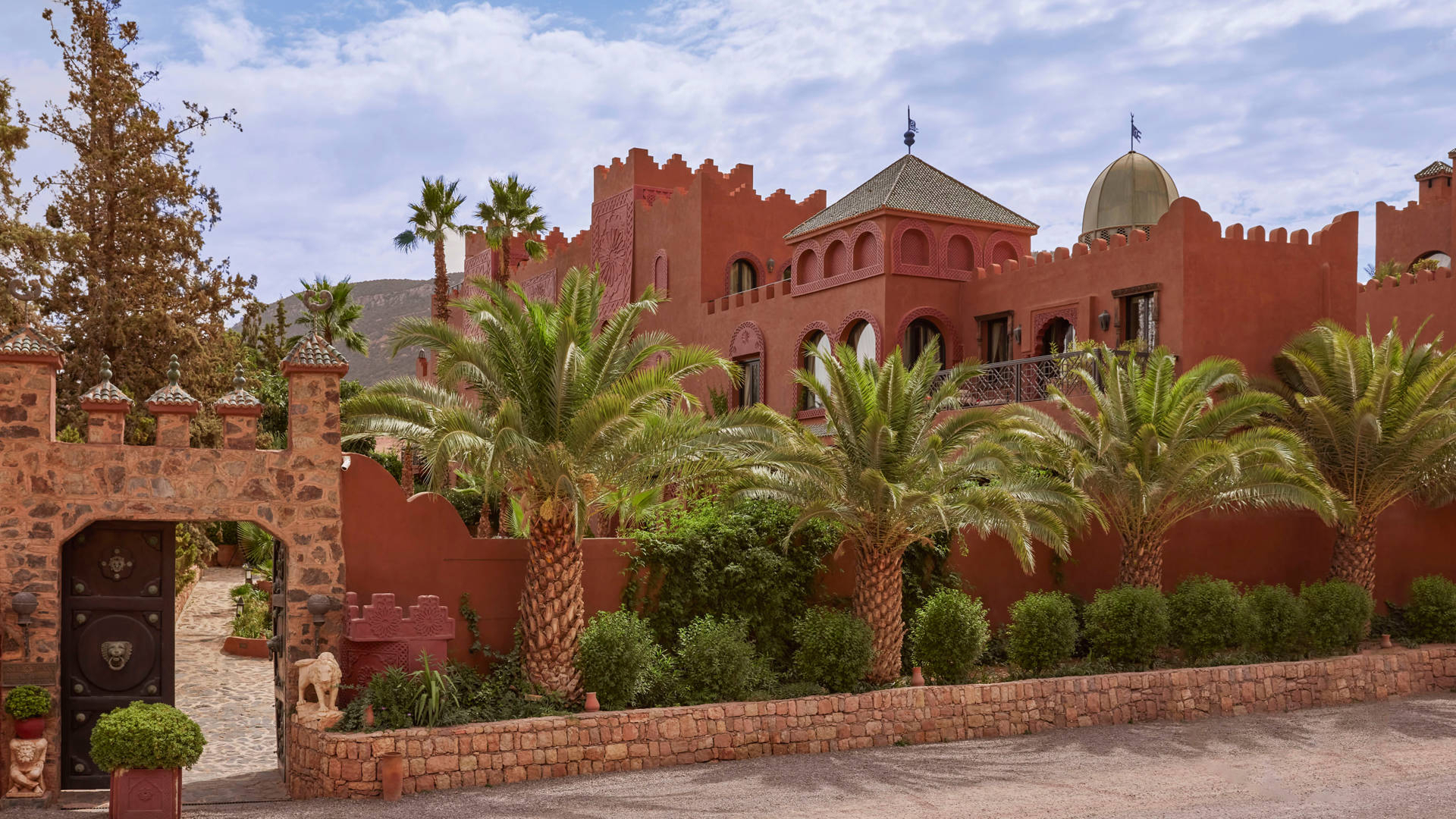
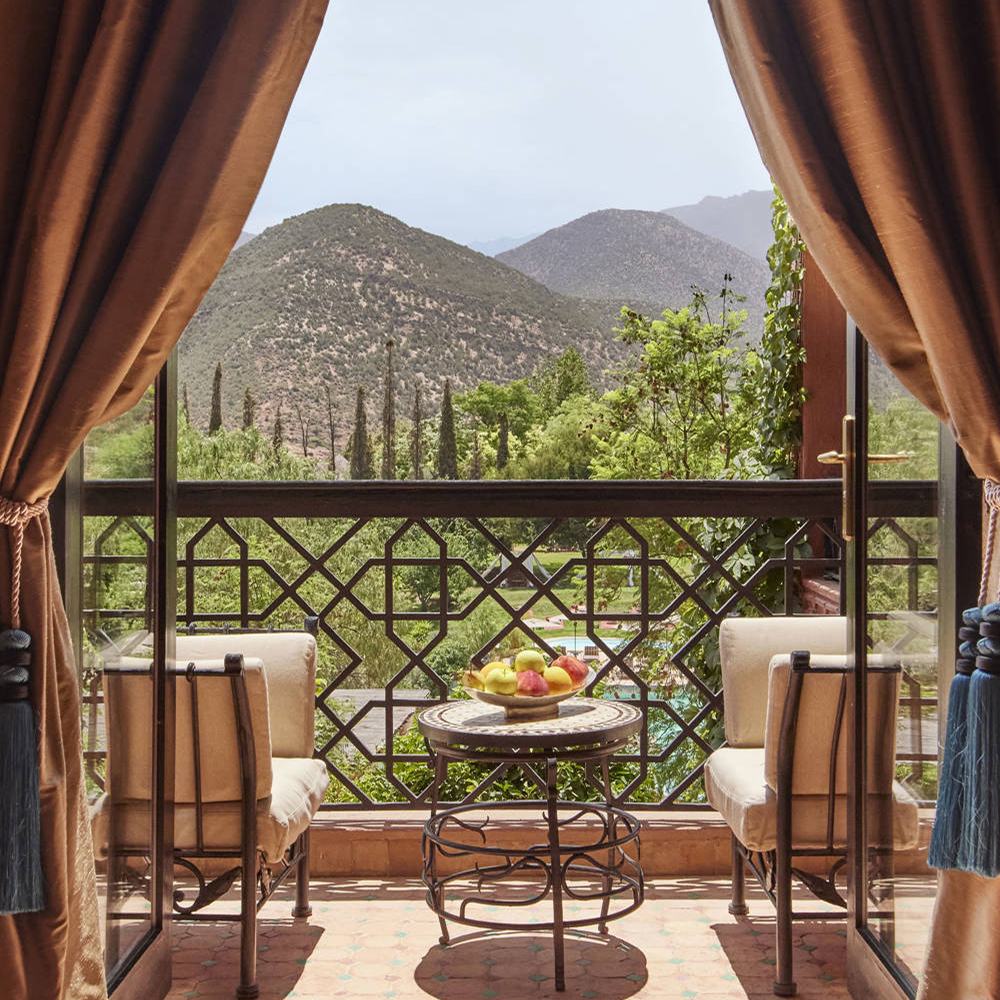
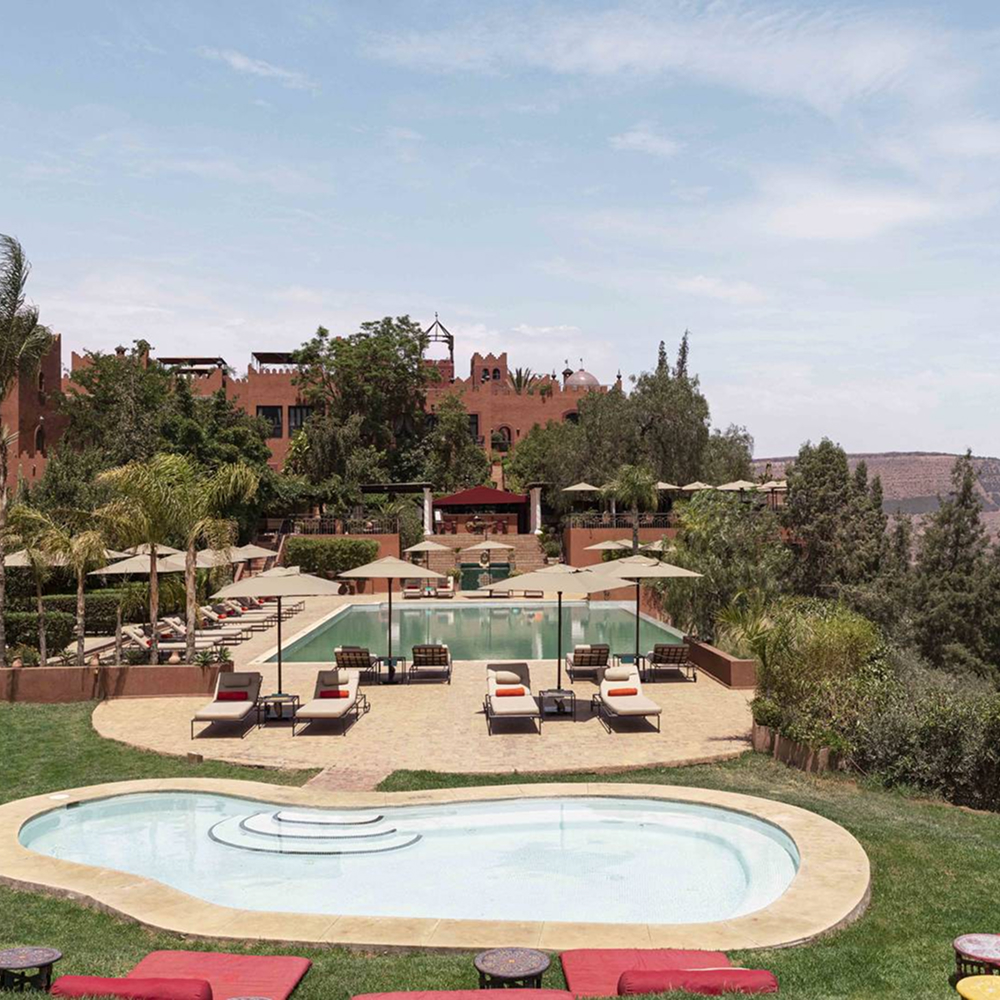
Kasbah Tamadot in the Atlas Mountains structures hospitality around Moroccan architectural rhythm rather than decorative symbolism alone. Courtyards regulate circulation and light naturally. Materials respond to climate and geography. Spatial pacing aligns with local patterns of privacy and gathering. Guests experience continuity between the property and its environment because architecture follows contextual logic at every scale.
Some hotels integrate local motifs, textures, or artisanal objects without aligning architecture or operations with the surrounding culture. The result can feel visually impressive while remaining emotionally detached from place.
Azulik Tulum presents a strong visual identity rooted in handcrafted structures and environmental immersion. Certain spatial experiences reinforce connection with local context effectively, while other aspects of the guest journey prioritise visual performance over cultural continuity. Guests perceive atmosphere immediately, yet the relationship between aesthetics and operational coherence can fluctuate across touchpoints.
Hotels become more memorable when the built environment reflects local geography, construction traditions, and social rhythm consistently rather than selectively. Guests retain stronger emotional connection because the experience feels rooted in a specific place rather than transferable to another destination.
Fogo Island Inn integrates Newfoundland craftsmanship, local building logic, and regional identity directly into architecture and interior structure. The property communicates cultural specificity without relying on decorative accumulation. This clarity strengthens both credibility and long term positioning.
Local integration extends far beyond visual identity. Guests evaluate authenticity through food sourcing, service rhythm, staffing culture, and relationship with the surrounding community. These operational dimensions often reveal more about a property’s positioning than design alone.
Maslina Resort on Hvar Island structures gastronomy and guest experience around Adriatic ingredients, island pacing, and local craftsmanship. Dining feels connected to regional identity rather than adapted for generic luxury expectations. Service rhythm remains aligned with the slower atmosphere of the destination, which reinforces emotional coherence throughout the stay.
Hotels weaken credibility when architecture references local identity while service and operations follow disconnected international luxury standards without contextual adaptation. Guests feel this inconsistency quickly because behavioural rhythm contradicts spatial atmosphere.
Some globally standardised luxury resorts maintain visually local architecture while operating with identical service scripting, dining structure, and guest sequencing regardless of destination. The experience feels polished, yet cultural specificity remains superficial because local context influences aesthetics more than operational philosophy.
Authentic integration becomes stronger when local culture influences conversation, pacing, recommendations, and guest interaction naturally rather than through staged experiences. Hospitality feels more credible when local knowledge exists within daily operations rather than within isolated activities.
Gangtey Lodge Bhutan structures guest interaction around Bhutanese rhythm, local guidance, and environmental immersion that extend beyond architecture alone. Staff posture, excursion pacing, and spatial calm all reinforce one coherent relationship with place. Guests experience continuity because every interaction supports the same contextual identity.
Materials communicate whether a hotel understands its environment structurally or simply references it visually. Stone, timber, textiles, and craftsmanship gain meaning when they reflect local climate, geography, and construction logic coherently.
Manna Resort in northern Italy integrates Alpine materiality through proportion, texture, and restrained detailing that align with surrounding geography rather than reproducing generic mountain luxury aesthetics. Interiors feel connected to the region because material choices support architectural coherence continuously.
Hotels often weaken local positioning when they over accumulate references in an attempt to communicate cultural depth visibly. Excessive symbolism can reduce clarity and transform culture into visual staging rather than lived context.
Suján Jawai maintains restraint through lightweight structures, local textures, and operational simplicity that allow the surrounding environment and regional rhythm to remain dominant. The experience feels grounded because cultural integration supports atmosphere quietly rather than demanding attention constantly.
Guests trust hospitality concepts that integrate local culture consistently across architecture, gastronomy, operations, and guest rhythm. Authenticity emerges through alignment rather than through isolated gestures or decorative storytelling.
Hotels that achieve this coherence strengthen memorability, emotional stability, and positioning clarity because guests perceive a genuine relationship between the property and its environment rather than an aesthetic interpretation designed primarily for visibility.
For hospitality projects seeking to strengthen local credibility, the most valuable analysis often comes from identifying whether culture influences only visual identity or whether it genuinely shapes architecture, operations, and guest experience as one coherent system, a strategic reflection frequently developed alongside Epikure.
