

Architecture shapes perception before guests interact with service, read brand language, or enter a room. Scale, proportion, materiality, and spatial rhythm communicate positioning immediately. A hotel does not need to explain whether it stands for privacy, social energy, restraint, or immersion when architecture already expresses these values clearly through form and atmosphere. In hospitality, architecture functions as a branding system rooted in space rather than graphics. Guests interpret the identity of a property instinctively through the way a building occupies its environment and organises experience. Strong positioning emerges when architectural decisions align with audience, geography, and operational intent.
Architectural scale defines how a hotel relates to its guests emotionally. Compact volumes suggest intimacy and discretion. Expansive compositions communicate openness and visibility. The relationship between built form and human scale influences perception before any narrative appears. Paradero Todos Santos structures its architecture through grounded concrete volumes integrated into the desert environment. The low horizontal composition communicates retreat and immersion rather than spectacle. Guests understand immediately that the experience prioritises stillness, landscape, and spatial calm.
Hotels with compressed circulation and layered social spaces generate a different emotional rhythm from properties organised around openness and distance. Density becomes part of the positioning. The Hoxton Paris uses interconnected public spaces and active circulation to reinforce a social and urban identity. The architecture encourages movement and interaction. Guests perceive energy and accessibility through spatial organisation alone.
Luxury often depends on controlled proportion rather than size alone. Generous spacing, measured transitions, and visual breathing room signal exclusivity more effectively than monumental scale. Chablé Yucatán structures villas and common areas with deliberate distance and controlled openness. Architecture supports privacy without isolation. The property communicates exclusivity through proportion and rhythm rather than visual excess.
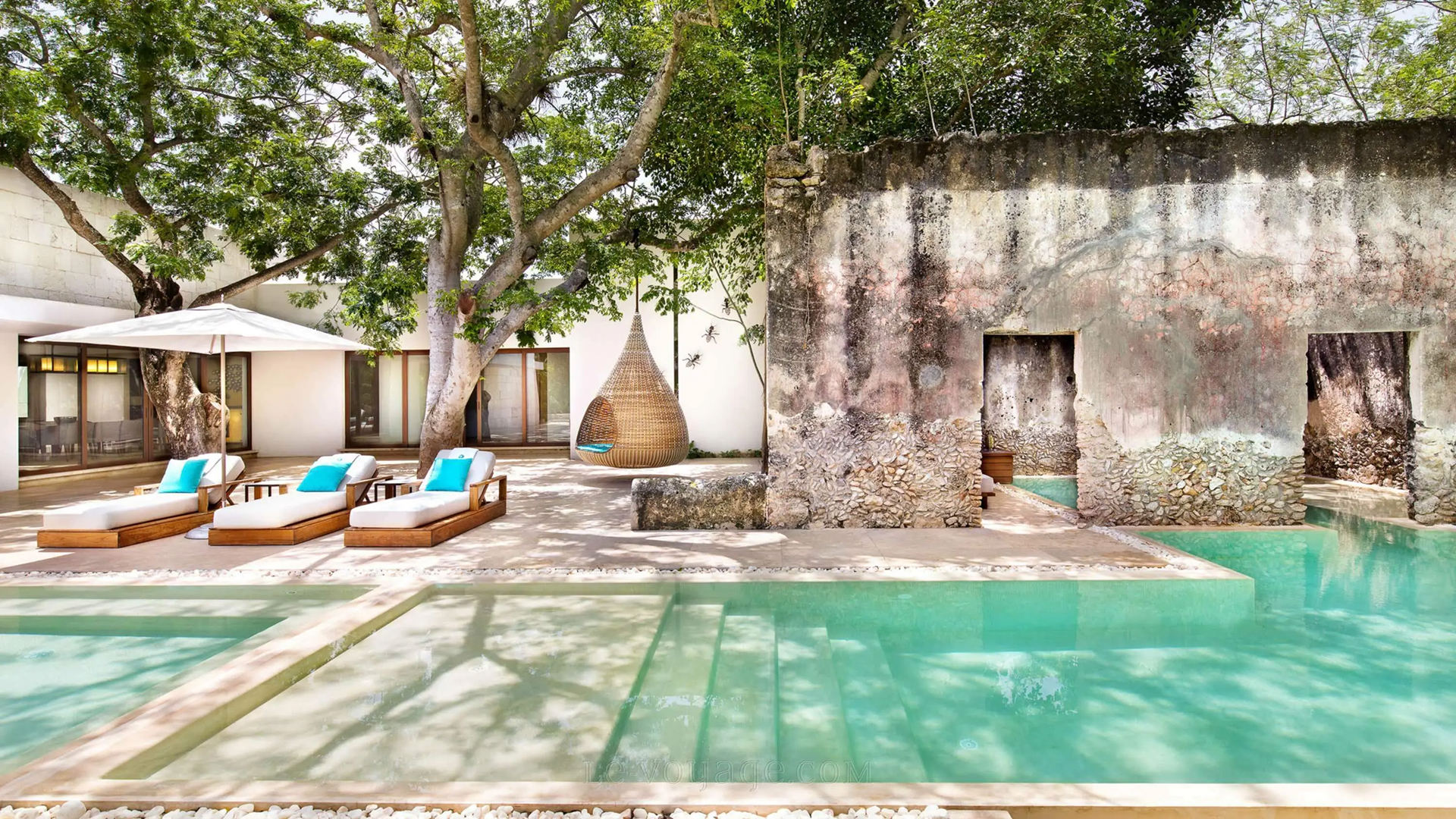
Material choices communicate values with immediacy. Stone, timber, steel, concrete, and glass each carry associations related to permanence, warmth, precision, or environmental integration. Hospitality branding strengthens when materiality aligns with positioning. Habitas Namibia relies on natural textures, restrained construction, and environmental continuity to reinforce its positioning around connection with landscape and simplicity. Materials feel consistent with context and operational philosophy, which strengthens authenticity.
Architecture gains strength when materials respond to climate, geography, and local construction logic. Guests perceive coherence when buildings belong to their environment instead of competing with it. Hotel Terrestre integrates earth toned materials and open air structures that respond directly to the Oaxacan coastline. The architectural language aligns with climate and environmental rhythm. Positioning becomes legible through physical integration rather than verbal explanation.
Over layered finishes and decorative accumulation often weaken positioning because they fragment perception. Controlled palettes create stronger identity. Casa TO maintains coherence through restrained material repetition and simplified geometry. The architectural language remains focused, allowing guests to interpret the property clearly from the first impression.
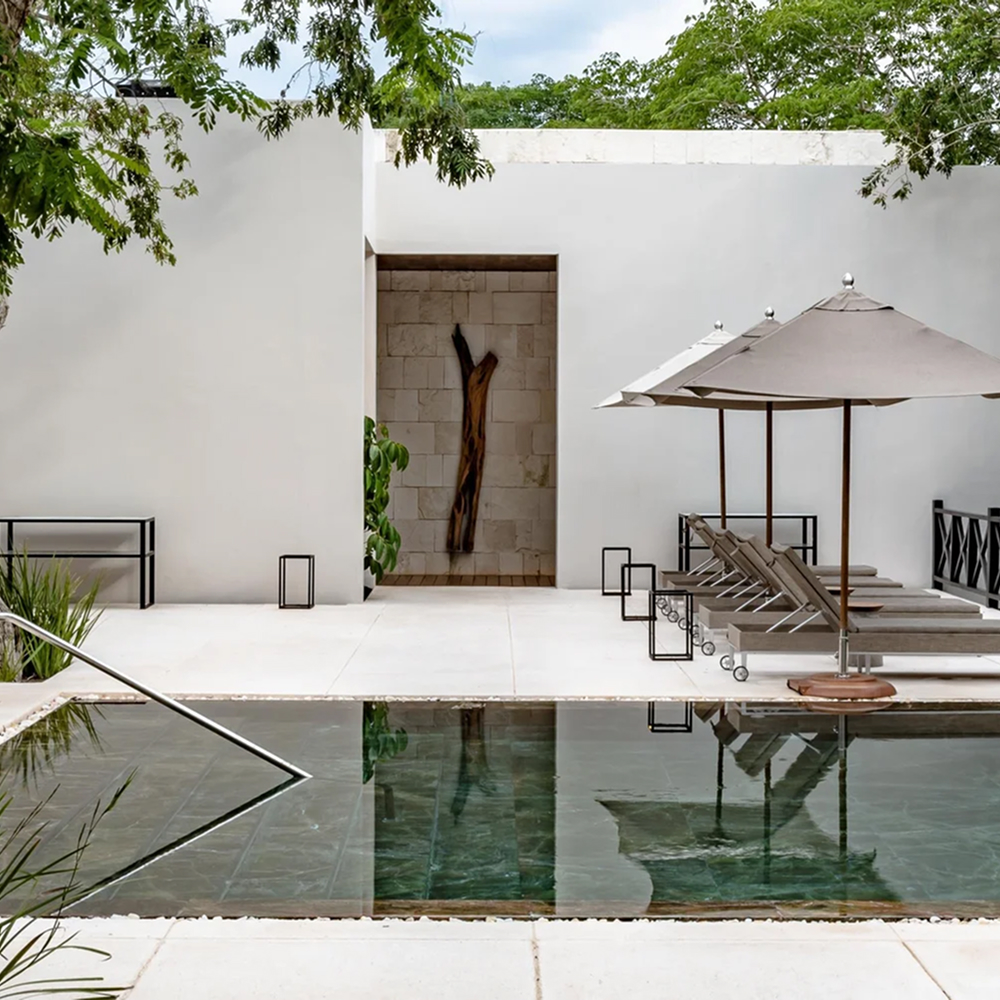
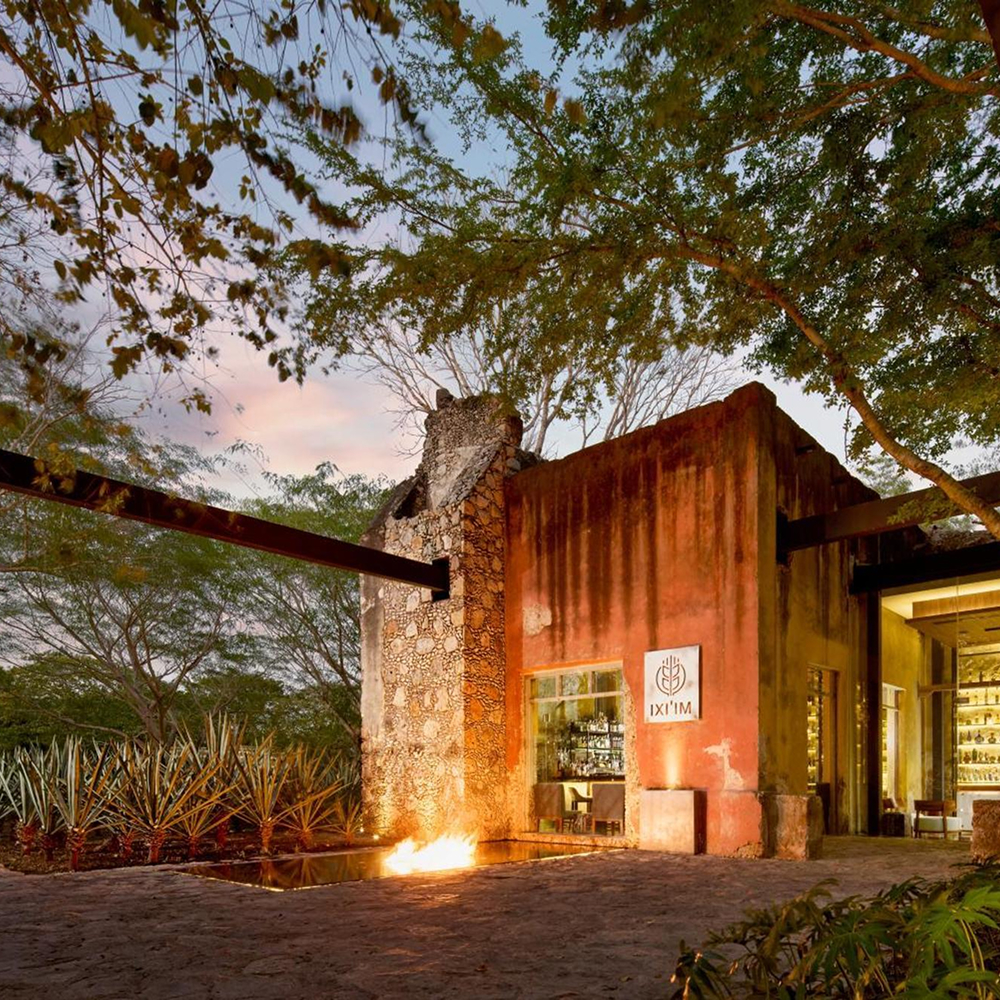
The relationship between architecture and surrounding environment communicates how a hotel understands luxury. Some properties position themselves through visibility and contrast. Others prioritise continuity and immersion. Arctic Bath positions architecture directly within the natural environment, allowing climate and landscape to shape experience. Floating structures and restrained interiors reinforce the idea of immersion rather than separation from context.
Hotels that organise views, circulation, and openings carefully often generate stronger emotional impact than properties relying on visual spectacle alone. Awasi Patagonia frames landscape through controlled architectural intervention. Cabins orient views precisely while maintaining intimacy and shelter. The environment becomes part of the brand language because architecture structures perception carefully.
A strong architectural identity loses credibility when operations or service rhythm contradict the spatial message. Positioning remains convincing only when architecture and guest experience reinforce each other continuously. Casa Silencio aligns architecture, atmosphere, gastronomy, and operational rhythm around the same restrained philosophy. Guests perceive continuity because every layer of the experience follows one coherent logic.
Hotel architecture defines positioning long before guests engage with communication or service. Volumes, materials, and environmental integration shape emotional perception instantly and establish expectations with clarity.
Properties that align architecture with operational intent and guest profile build stronger credibility because the building itself communicates identity without excessive explanation. Architecture becomes the first and most direct expression of the brand.
Hospitality projects that want to strengthen positioning often benefit from analysing how architectural choices influence perception across every touchpoint, especially in environments where guests interpret value through coherence, proportion, and spatial clarity, an approach frequently developed alongside Epikure.
