
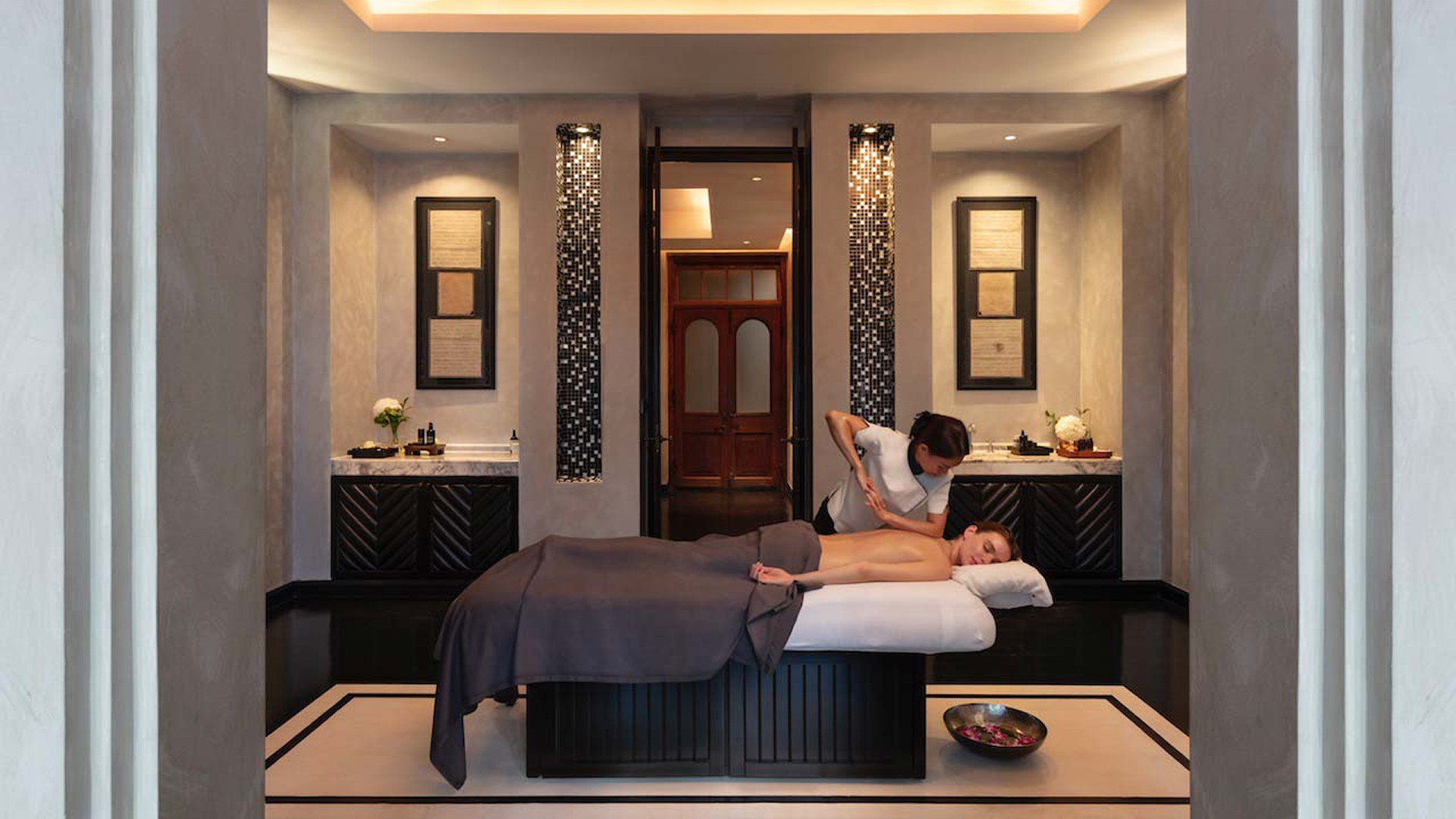
Guests begin evaluating a hotel before check in takes place. The approach road, entrance sequence, lighting, sound level, and first human interaction all shape perception immediately. Within seconds, guests form assumptions about quality, attention to detail, and price legitimacy. Luxury hospitality depends on this early alignment because the first moments establish the emotional framework for the rest of the stay. Perceived value does not emerge from one spectacular gesture. It develops through continuity between arrival, architecture, service posture, and atmosphere. When these elements align from the first seconds, guests relax and trust the environment instinctively.
The journey toward reception defines how guests transition from the outside world into the hospitality experience. Spatial compression, pacing, and visibility influence emotional response before any interaction with staff occurs. Villa Mabrouka in Tangier structures arrival through gradual discovery rather than immediate exposure. Gardens, pathways, and framed entrances slow perception naturally and prepare guests for the atmosphere of the property. The sequence feels controlled and intentional, which reinforces the perception of exclusivity and calm.
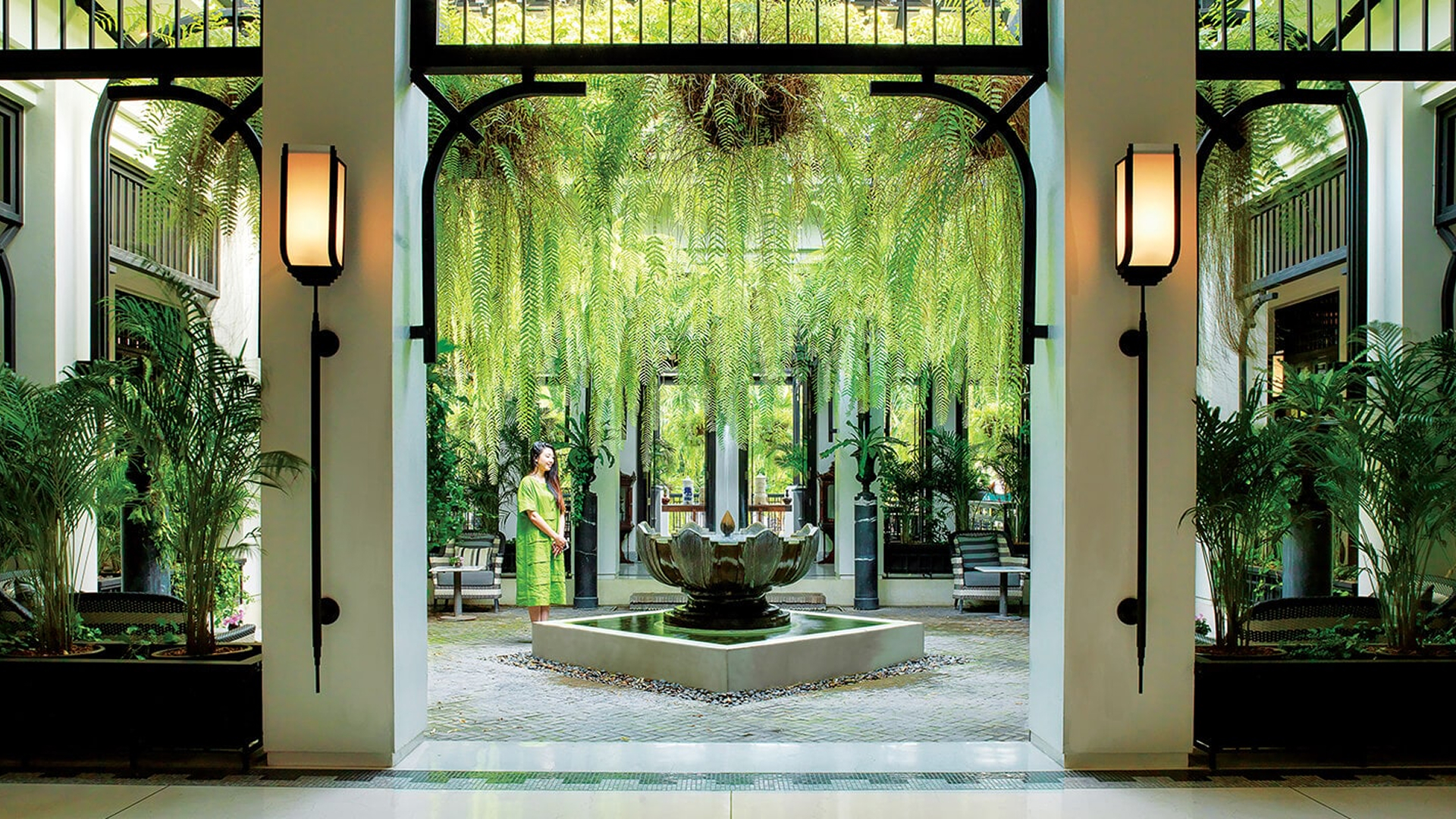
Guests feel reassured when circulation feels intuitive from the beginning. Clear visual hierarchy reduces hesitation and supports comfort without requiring excessive signage or explanation. The Siam in Bangkok organises arrival through layered courtyards and measured transitions that guide movement naturally toward reception. Guests understand where to go instinctively because architecture structures orientation with precision.
Oversized entrances can feel impersonal when proportion loses connection with human rhythm. Compressed entrances can reduce the sense of occasion. Luxury emerges when scale aligns with positioning and guest expectation. The Lodge at Blue Sky balances openness and intimacy through controlled spatial sequencing that reflects the surrounding landscape. Arrival feels expansive without becoming overwhelming. This equilibrium supports premium perception from the first moment.
The first meaningful view inside a property functions as an emotional anchor. Guests compare this visual moment with expectations formed online and through pricing. If alignment exists, confidence strengthens immediately. The Largo structures its entrance around restrained materials, soft light, and balanced composition that establish atmosphere before formal check in occurs. The visual language communicates calm precision and reinforces the property’s positioning without requiring explanation.
Lighting temperature, acoustic control, and ambient rhythm shape emotional response before guests consciously analyse the environment. Harsh lighting or uncontrolled noise introduces tension immediately. The Maybourne Riviera uses natural light and spatial openness to establish calm from arrival onward. Acoustic restraint and measured circulation maintain emotional continuity across public areas. Guests perceive control because sensory conditions remain stable.
Guests notice inconsistency quickly when entrance spaces feel disconnected from rooms or shared areas. Material continuity strengthens trust because the property feels unified from the beginning. Estelle Manor maintains alignment between exterior architecture, lobby atmosphere, and interior detailing. Stone, timber, and lighting follow the same logic throughout the arrival sequence, which strengthens perceived value before guests even reach their rooms.
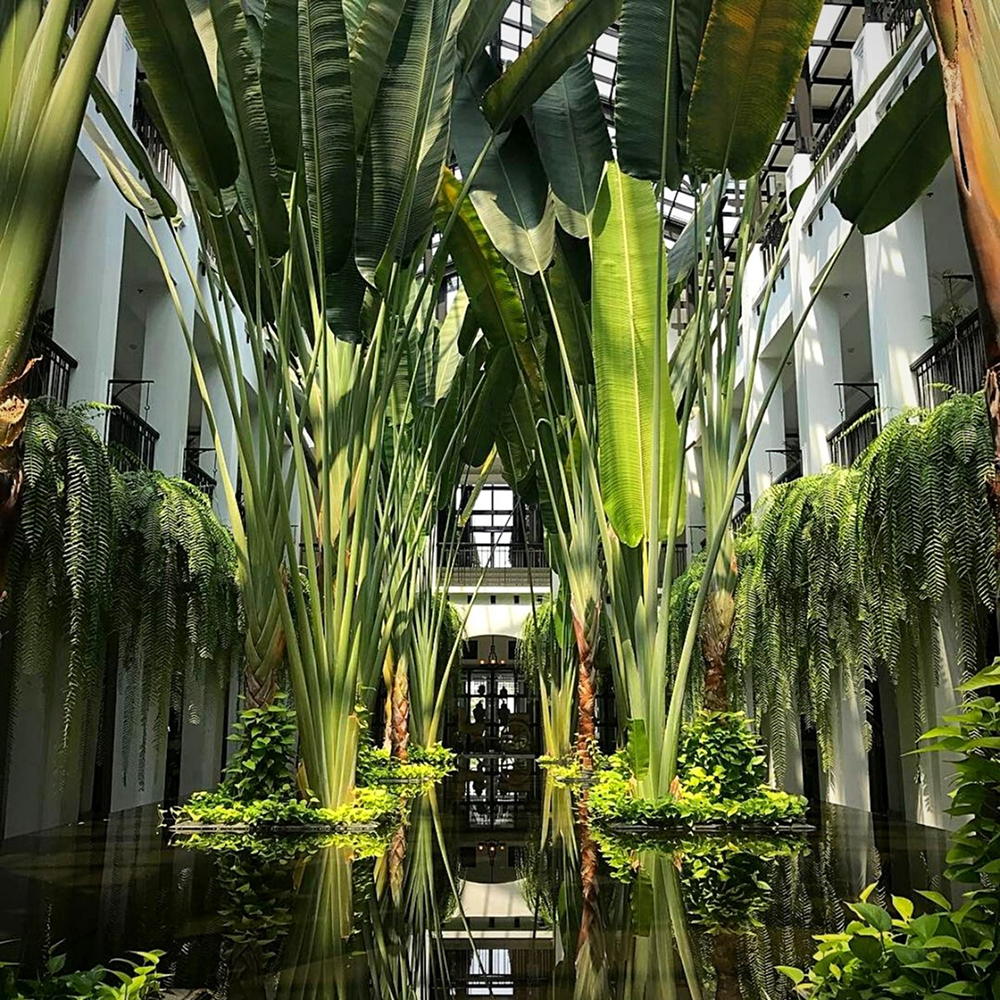
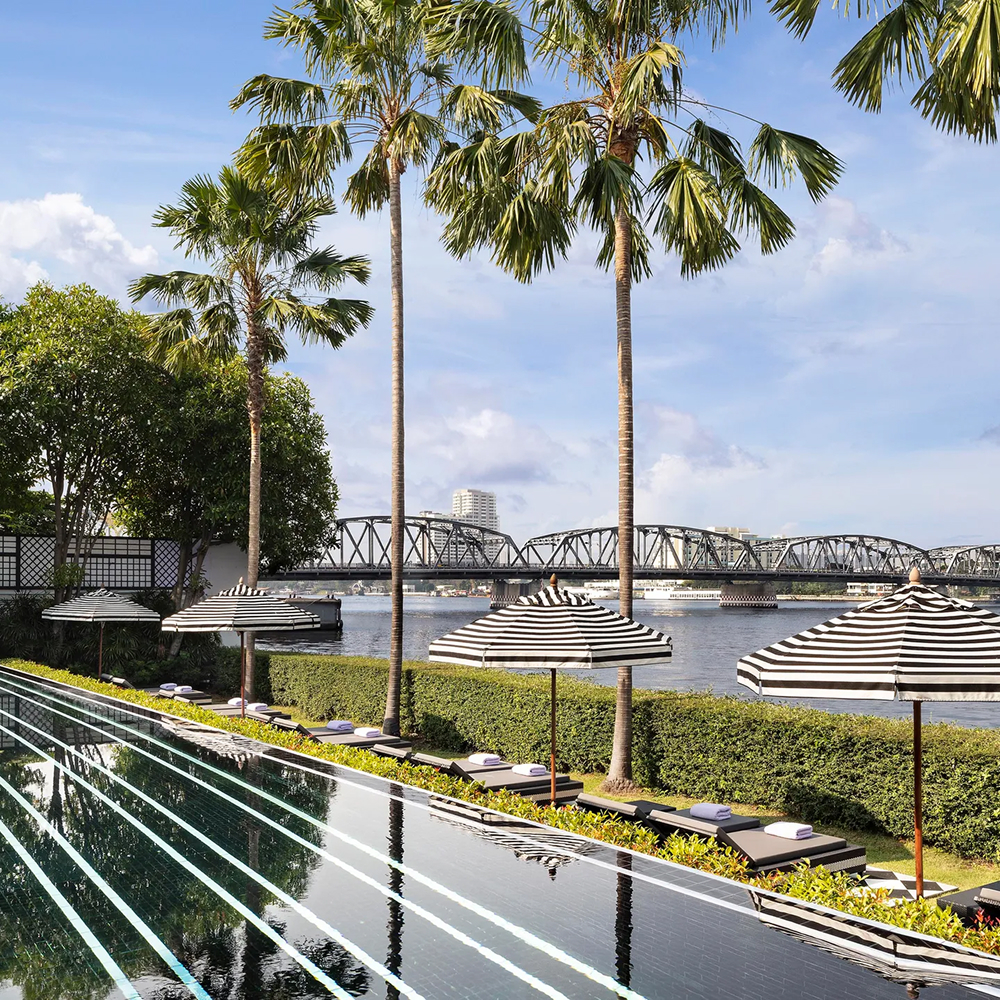
Service interaction during the first minutes carries disproportionate emotional weight because guests interpret reception behaviour as representative of the entire stay. Tone, timing, and attentiveness shape credibility immediately. Capella Hanoi structures reception around calm pacing and highly controlled guest interaction. Staff posture aligns with architectural rhythm and interior atmosphere. Guests feel expected rather than processed, which reinforces exclusivity and attentiveness.
Luxury service depends on rhythm as much as efficiency. Rushed interaction weakens calm. Excessive waiting introduces uncertainty. The strongest properties calibrate tempo precisely according to context and guest profile. Portrait Milano manages arrival through discreet sequencing that reduces friction without accelerating interaction unnaturally. The experience feels fluid because operational choreography remains aligned with spatial identity.
A refined architectural environment loses impact when reception posture feels transactional or disconnected from the atmosphere of the property. Service must reinforce the same emotional tone established by space. The Lana Dubai aligns arrival experience, visual rhythm, and guest interaction within one coherent framework. Staff behaviour reflects the same composure and precision expressed through architecture and interiors. This continuity strengthens trust immediately.
Luxury hospitality builds value through accumulation of aligned signals during the first minutes of arrival. Entrance sequence, first visual frame, sensory atmosphere, and reception posture all contribute to perceived quality long before guests evaluate amenities or service depth.
Hotels that structure arrival with discipline strengthen trust, justify pricing more naturally, and establish emotional comfort immediately. The first impression becomes the foundation upon which the rest of the experience is interpreted.
Refining this level of coherence often requires looking beyond aesthetics and analysing how architecture, operations, and guest perception interact from the very first seconds of the stay, a strategic approach that hospitality projects frequently develop alongside Epikure.
