
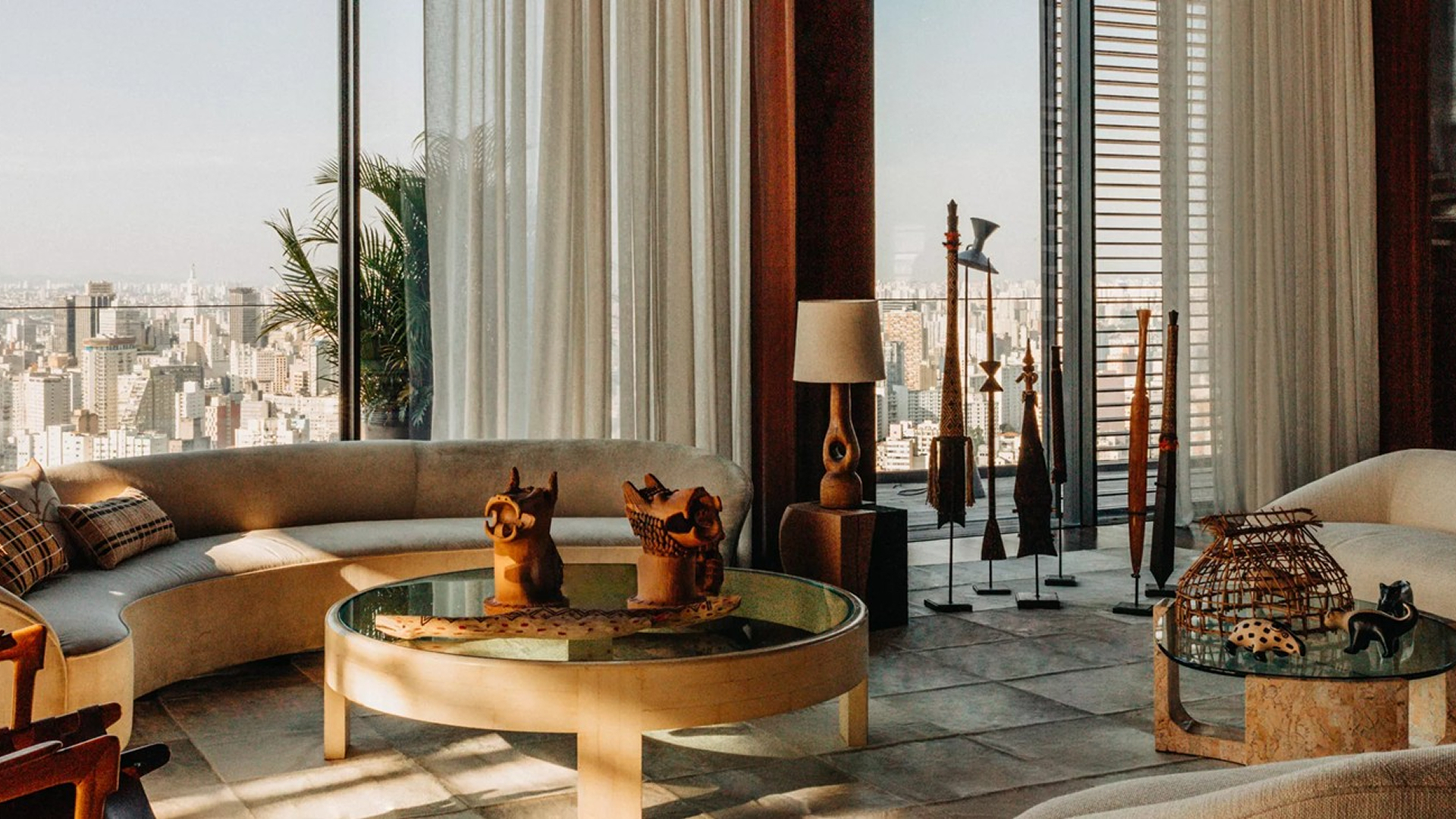
Guests evaluate a space before they evaluate service. They read proportions, distances, and sightlines within seconds. If orientation feels obvious, comfort follows. If navigation feels unclear, friction appears immediately. The most intelligent hospitality projects remove the need for explanation. Guests understand where to go without signage overload. They interpret transitions between public and private areas naturally. This instinctive comprehension reflects rigorous design thinking. Layout becomes a strategic tool rather than a decorative framework.
You design experience through movement. The way guests enter, pause, and transition between spaces defines how they perceive quality. A clear entry axis signals direction. Controlled compression and expansion define progression.
At Juvet Landscape Hotel, individual cabins connect through discreet pathways integrated into the Norwegian landscape. Circulation remains minimal and legible. Guests move from reception to their room through a sequence that feels inevitable rather than complex. The landscape acts as orientation structure. Movement aligns with environmental logic.
When spatial progression feels inevitable, guests relax faster. Orientation supports emotional stability.
Arrival defines the cognitive tone of the stay. Confusion at entry creates subtle tension. Clarity creates confidence.
At The Tokyo EDITION, Toranomon, the transition from ground level to elevated lobby remains visually coherent. Guests ascend vertically yet maintain clear orientation through light, material continuity, and spatial openness. The layout avoids ambiguity. Circulation supports anticipation rather than doubt.
You build trust when entry sequences remain readable without instruction.
Guests adapt behaviour according to spatial signals. Ceiling height, lighting intensity, and acoustic texture define whether a space invites conversation, privacy, or contemplation.
At Hotel Marqués de Riscal, public areas expand and contract in deliberate rhythm. Despite its expressive exterior form, interior circulation remains structured. Guests understand where social interaction occurs and where privacy begins. Hierarchy clarifies use without signage dependency.
When spatial zones remain distinct, guests adjust naturally. Behaviour aligns with architectural cues.
Clear focal points anchor understanding. Courtyards, staircases, or framed landscapes function as orientation markers. Guests reference these elements subconsciously.
Explora Patagonia positions its central communal spaces around panoramic views of Torres del Paine. The landscape operates as constant reference. Corridors and common areas align with that axis. Guests rarely question direction because visual orientation remains stable.
You reduce cognitive load when you align circulation with strong visual anchors.
Intuitive design benefits both guests and teams. Clear back-of-house connections support service efficiency. Logical guest pathways reduce congestion and repetitive guidance.
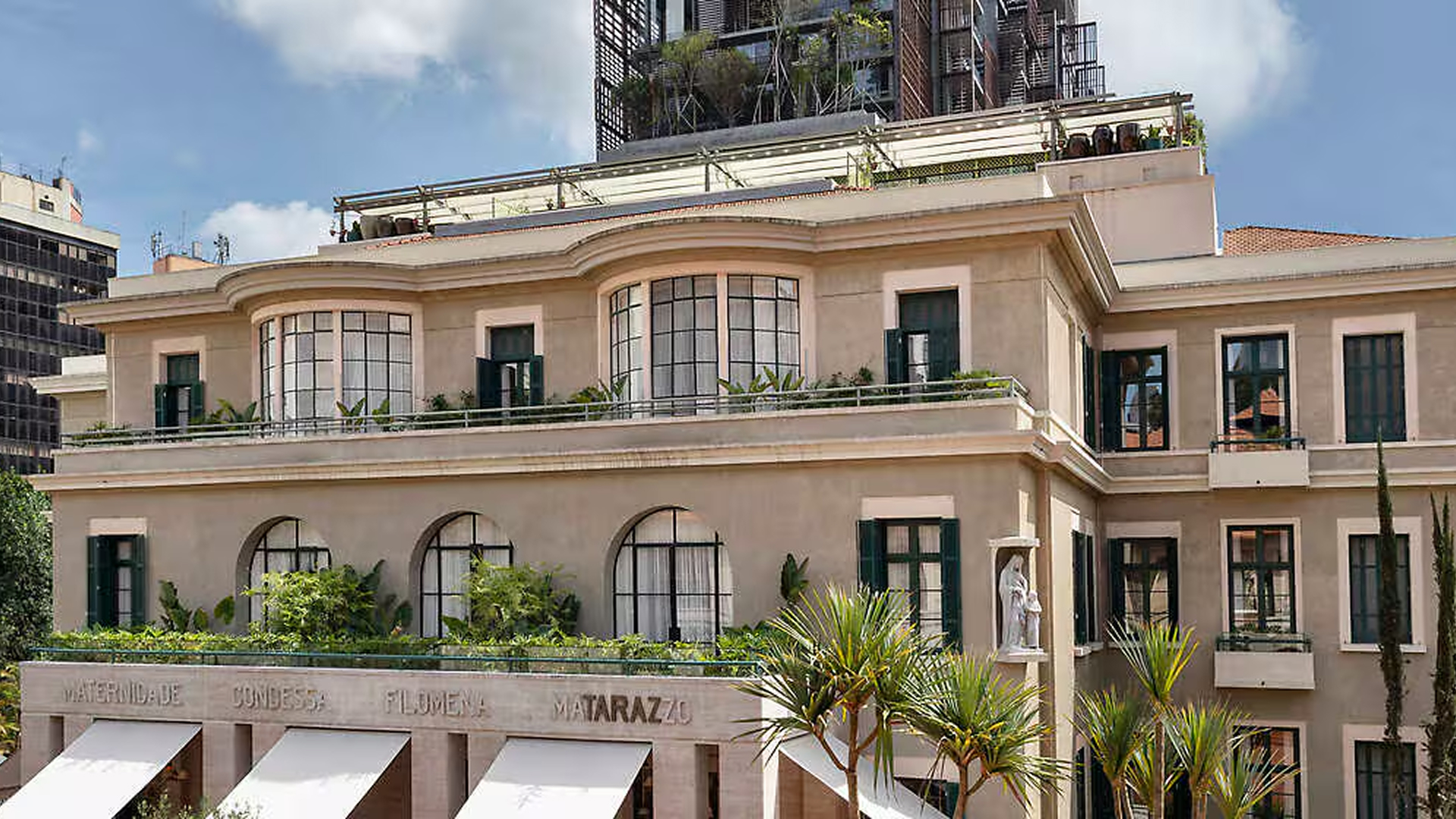
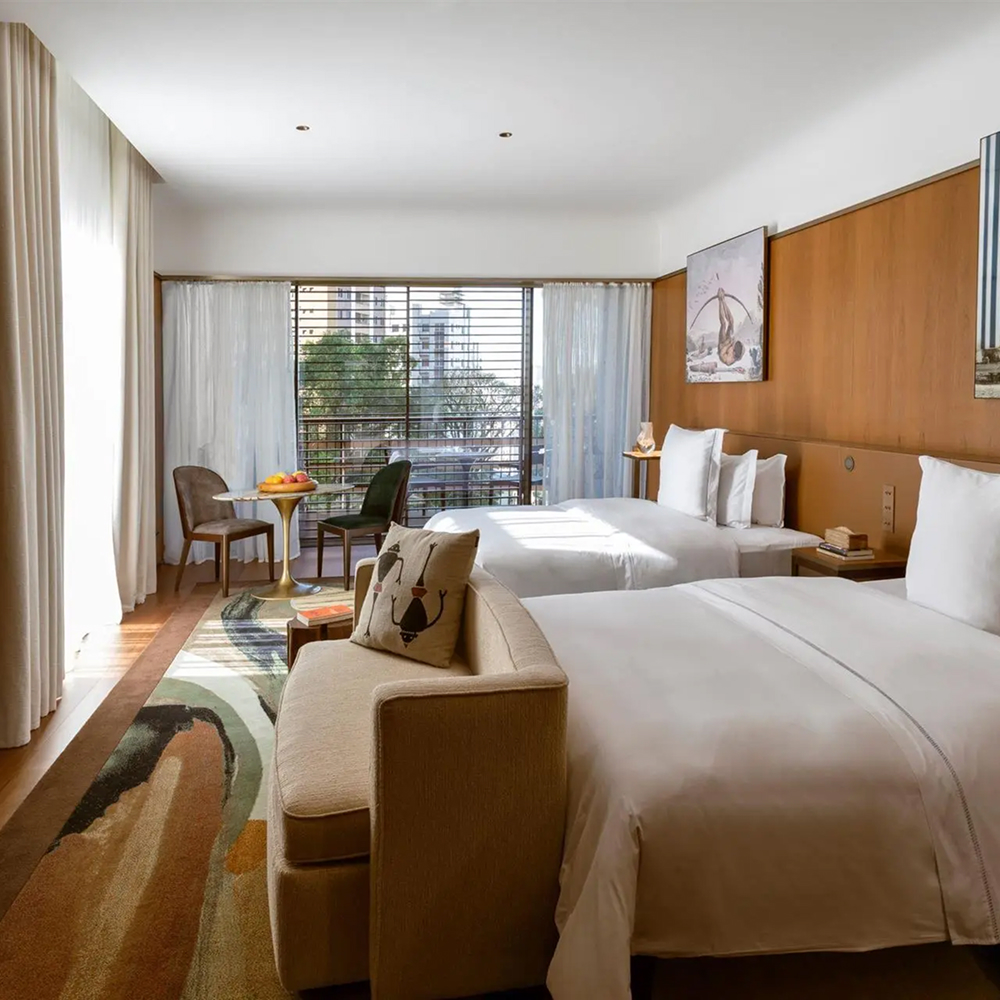
At Rosewood São Paulo, the integration of restored heritage buildings and new structures follows a legible circulation grid. Guests move between cultural, dining, and accommodation areas with minimal friction. The complexity of the mixed-use program remains invisible at user level because spatial planning anticipates flow.
When layout supports operational logic, service delivery gains consistency.
You measure design intelligence through guest autonomy. When guests navigate without assistance, spatial clarity succeeds. They locate elevators, restaurants, and wellness facilities intuitively. They interpret thresholds without conscious effort.
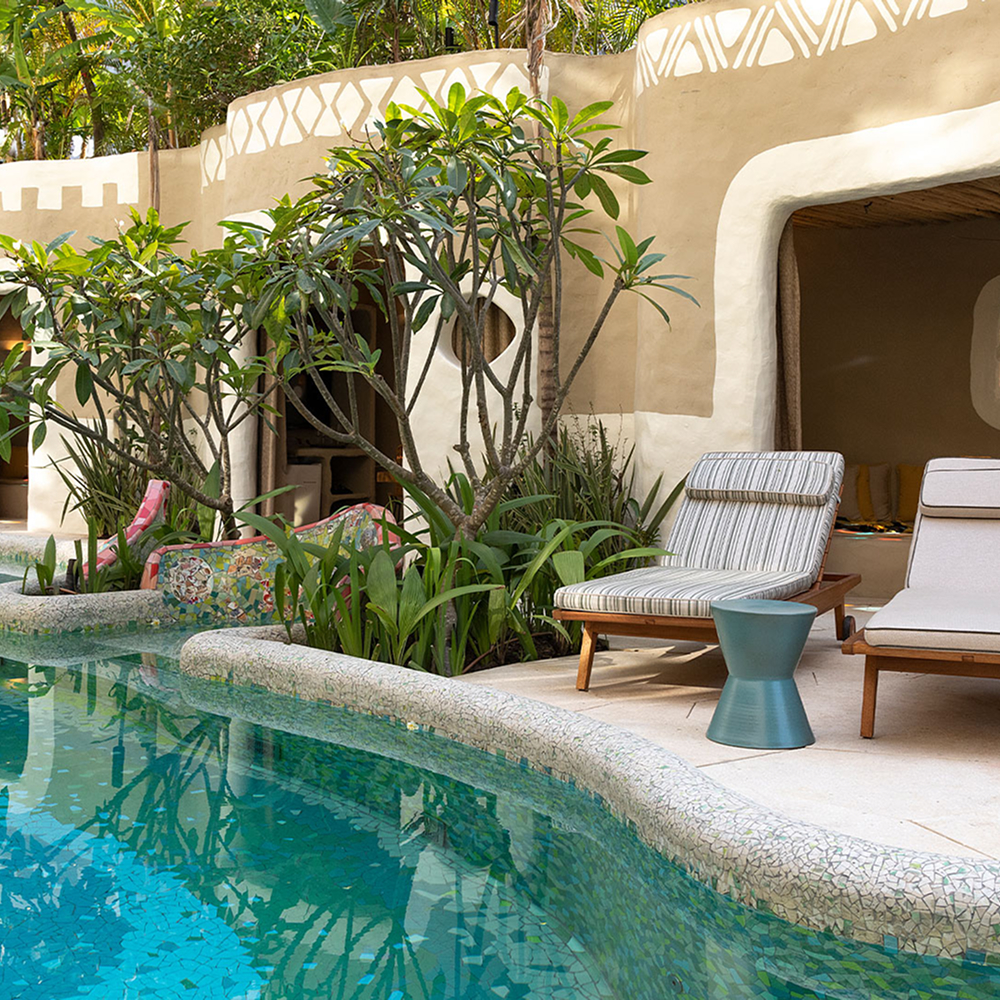
At Paradero Todos Santos, open courtyards and framed pathways define movement through the property. The absence of excessive signage reinforces architectural legibility. Guests orient through proportion and perspective rather than instruction panels.
Effortless orientation signals maturity in planning and execution.
If you develop or reposition a hospitality asset, map guest journeys early. Analyse arrival friction. Define visual anchors. Structure hierarchy through proportion rather than decoration. Align circulation with your positioning and service model.
Guests understand coherent spaces instinctively. When layout removes cognitive effort, comfort becomes immediate. Spatial intelligence translates into perceived quality and long-term brand strength.
To align architectural clarity, operational flow, and brand positioning within your hospitality project, continue the reflection with the team at Epikure.
