

Serenity in hospitality grows from architecture that balances proportion, rhythm, and texture. Every surface and volume influences emotion. Light softens boundaries, materials absorb noise, and geometry defines movement. Together, these layers form an environment that supports reflection and rest. Calm design does not mean minimalism; it means precision, where space, silence, and comfort become part of the same language.
Balance begins with proportion. Geometry directs how guests move and perceive stability. A room that feels aligned allows both mind and body to slow down. Aman Kyoto applies this principle through a layout that connects pavilions and gardens in quiet rhythm. Paths follow natural contours, and distances between elements create a sense of continuity. Cap Karoso in Indonesia uses similar reasoning, combining openness and intimacy through framed views and measured spacing. Each transition, each pause, and each view contribute to a rhythm that shapes calm.
Circulation defines comfort. When movement feels natural, orientation follows instinct. The Norman Tel Aviv exemplifies this through corridors that open gradually toward light and courtyards. Each turn maintains proportion, avoiding contrast or imbalance. The eye travels smoothly from one point to another, guided by geometry rather than signage. This kind of flow transforms navigation into experience, where structure replaces noise and guests feel supported rather than directed.
Calm emerges from spatial awareness. Hotel Il Pellicano in Italy balances large exterior terraces with human-scale interiors. Volumes adjust subtly between open and enclosed spaces, giving each zone a distinct tempo. The dialogue between exposure and retreat establishes psychological balance. Proportion becomes a silent mediator between architecture and wellbeing, grounding each guest in rhythm rather than spectacle.
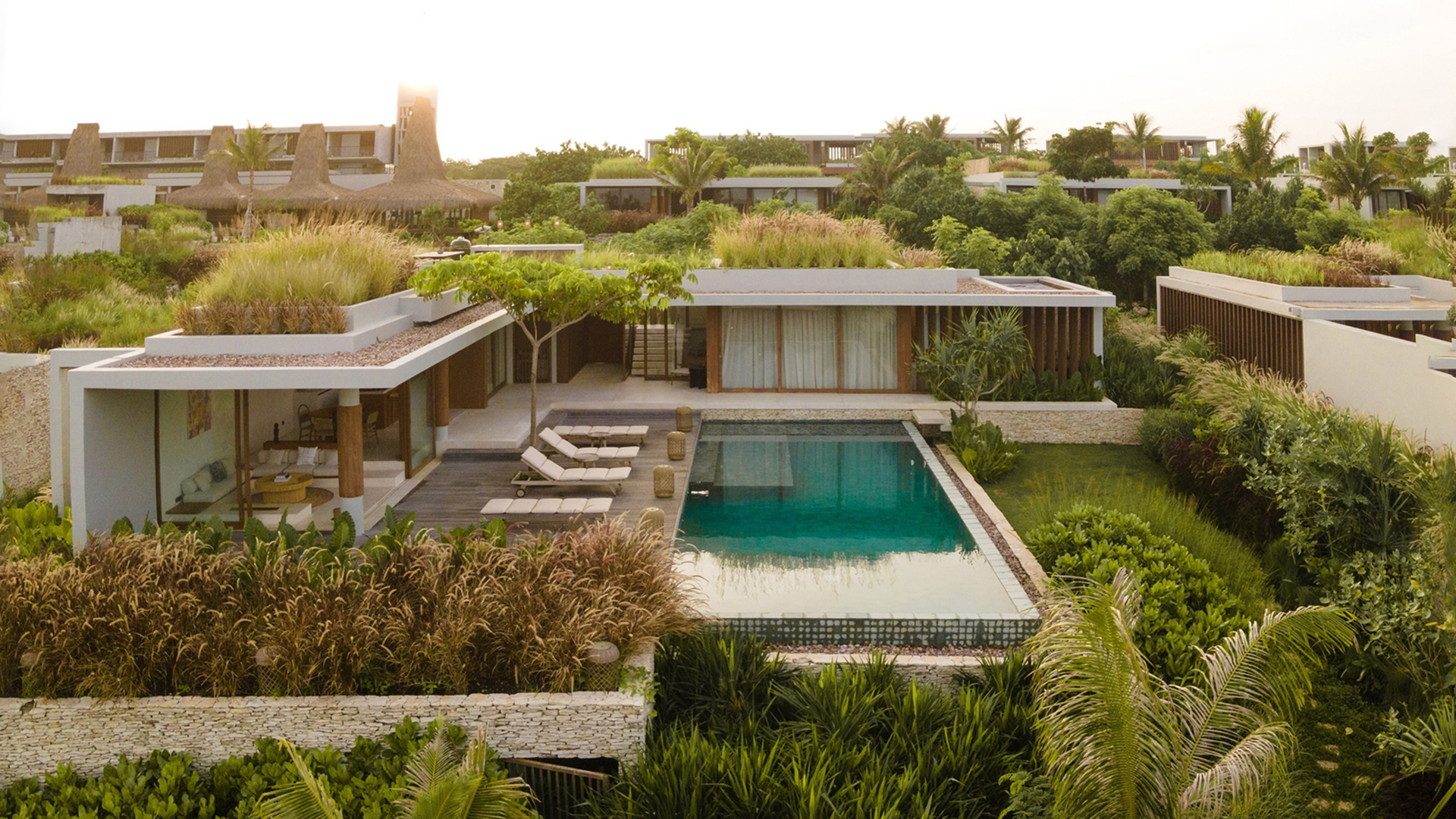
Light determines how guests feel before they even notice form. Its direction, temperature, and diffusion transform a room into a living environment. The Chedi Muscat channels sunlight through screens that filter and animate space with subtle patterns. The result feels dynamic yet controlled. Artificial lighting continues the same tone at night, avoiding contrast and maintaining flow. When natural and crafted light work in harmony, perception slows, and calm becomes tangible.
Daylight creates connection with nature and defines the tempo of the stay. Patina Maldives integrates light through open corridors and shaded paths that breathe with the sun. Guests experience time through movement of light rather than through clocks. The body relaxes when space and light evolve together. The connection between architecture and nature becomes emotional rather than functional, establishing the basis for serenity.
Night requires equal attention. La Réserve Eden au Lac Zurich curates lighting that preserves warmth and depth. Each source highlights material rather than brightness. Light touches wood, linen, and metal with precision. Guests perceive intimacy and confidence without losing orientation. The rhythm between day and night stays balanced, reinforcing the sense of calm that defines the property’s identity.
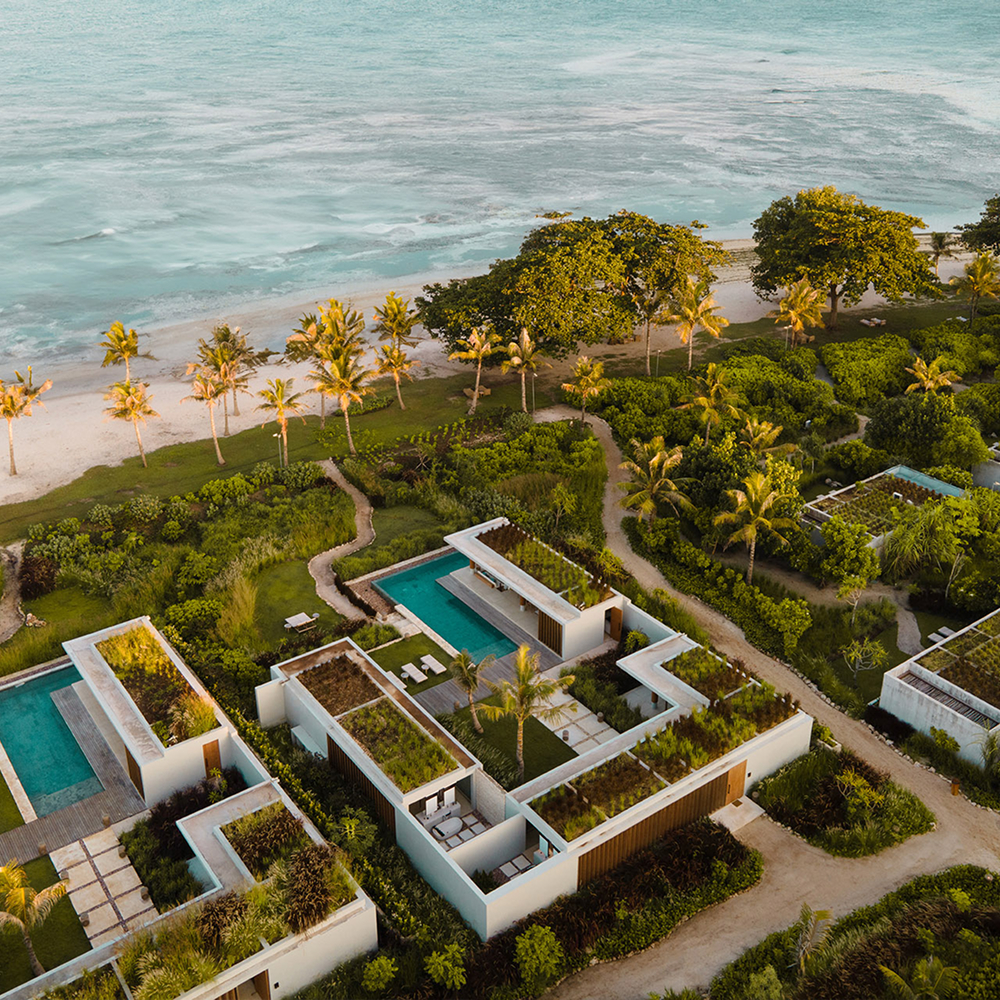
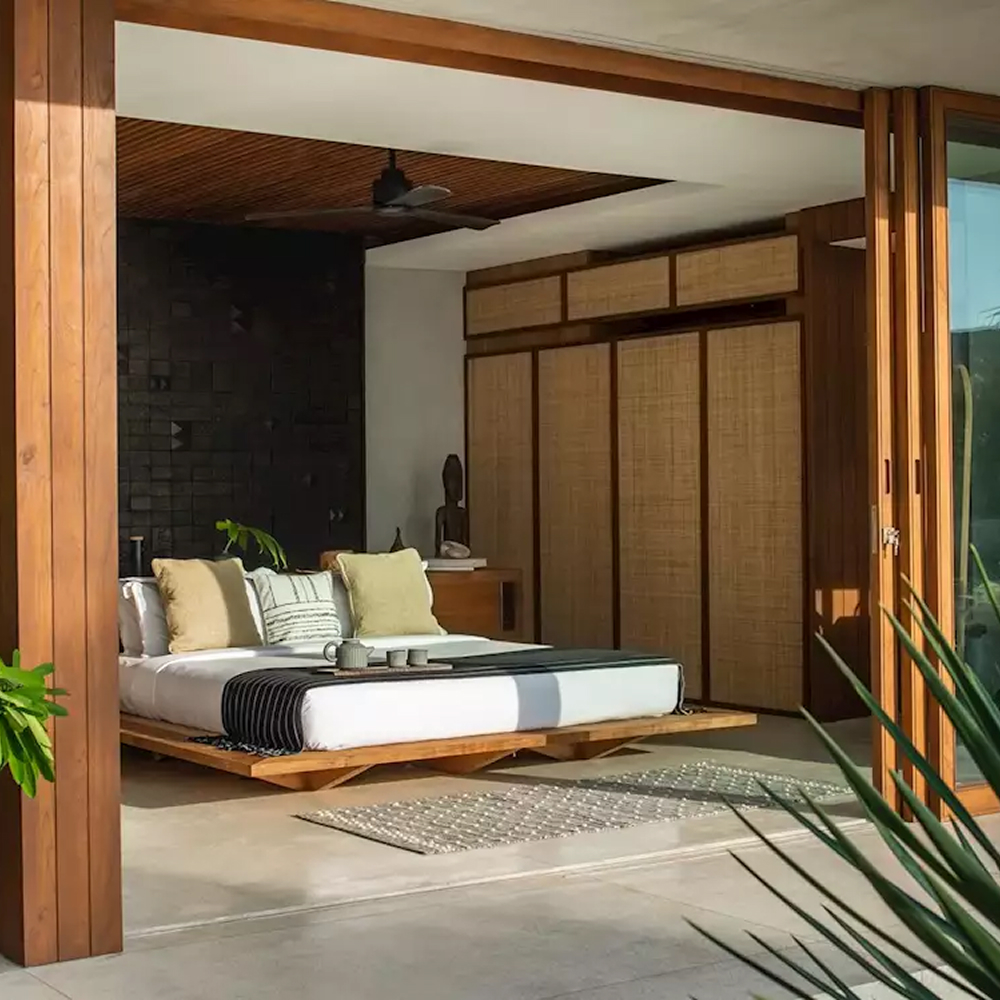
Every texture communicates intent. Natural materials moderate temperature, absorb sound, and diffuse reflection. Castello di Reschio in Umbria exemplifies this through handcrafted furniture, lime-washed walls, and stone floors that age gracefully. Each surface feels quiet, rooted, and tactile. Craft becomes the emotional link between design and experience. Monastero Santa Rosa on the Amalfi Coast follows the same philosophy, with plaster walls and arches that soften acoustics and filter light. Materials translate silence into comfort.
When touch and sound align, guests feel anchored. Hotel Le Coucou Méribel combines wool, oak, and glass to create warmth without excess. Sound is contained, light is diffused, and surfaces invite contact. This sensory coherence defines quality more than ornamentation. Texture becomes structure, and every detail participates in emotional balance.
Research by Cornell Center for Hospitality Research indicates that hotels designed with sensory coherence, acoustic control, natural materials, and balanced light, achieve up to 12% higher satisfaction scores and longer average stays. Calm environments translate into measurable results. Architecture that supports serenity does not simply please the eye; it strengthens retention and transforms comfort into loyalty.
Calm design builds emotional trust. When proportion, light, and material align, space becomes more than functional. It becomes restorative. Guests leave with a memory of balance that endures longer than the stay itself. Epikure works with properties to translate spatial harmony into brand experience, connecting design decisions with emotional value. Contact us to design spaces that speak softly, reflect identity, and inspire calm through precision.
