
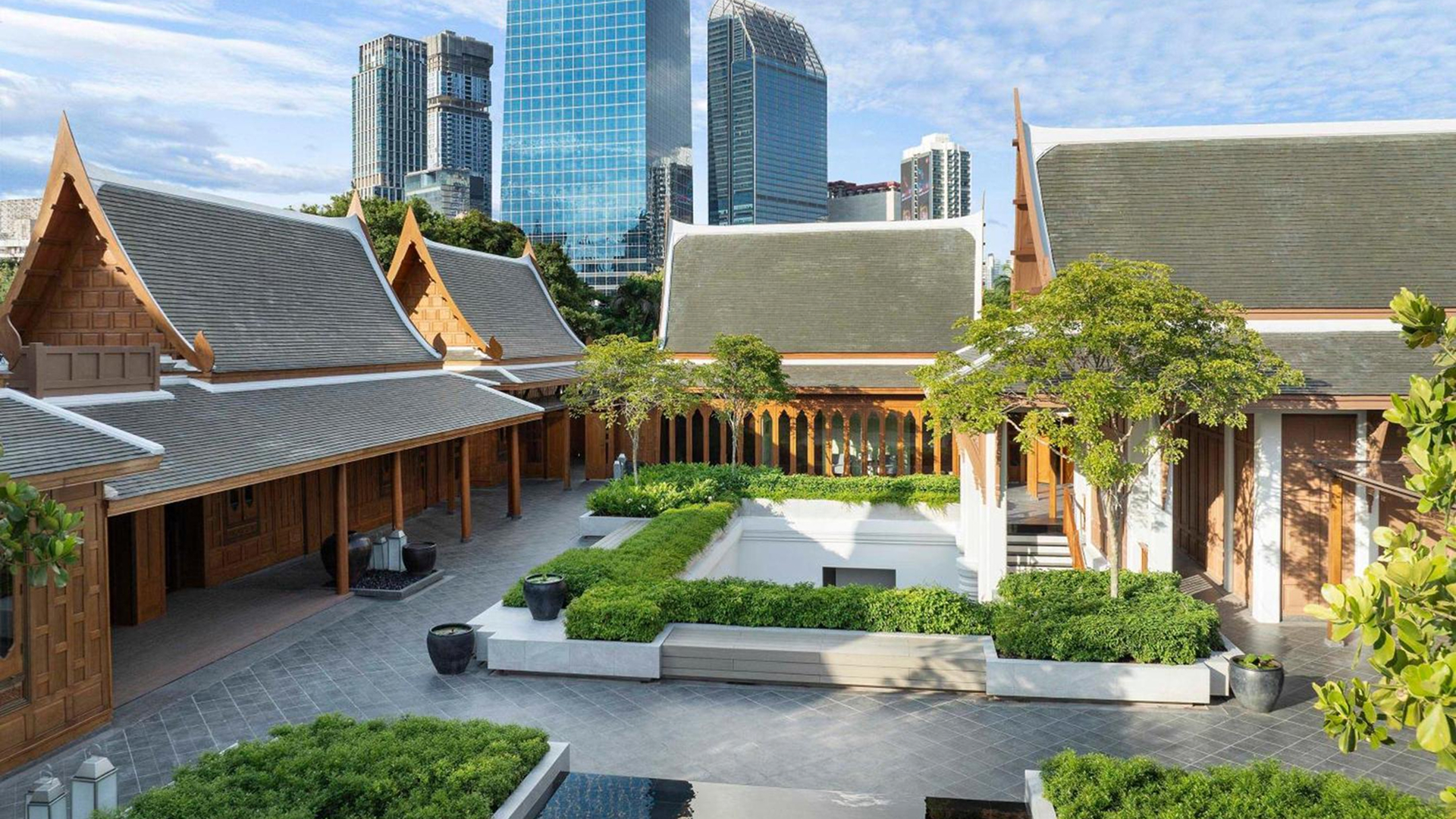
Guests perceive calm before they understand concept or positioning. Spatial structure communicates immediately through proportion, light, and circulation. Decoration may reinforce atmosphere, yet the primary emotional signal comes from architectural order. When space is structured with restraint, guests feel orientation and stability without effort. Calm becomes an outcome of discipline rather than an aesthetic layer applied at the end of the process. Hospitality projects that prioritise spatial logic over decorative accumulation generate a different kind of presence. The environment feels controlled, breathable, and coherent. Guests respond instinctively because structure guides perception before language intervenes.
Proportion determines how the body relates to space. Ceiling height, room depth, window size, and the relationship between solid and void shape perception long before materials or furniture enter the frame. When proportions align with human scale, guests feel protected and oriented.
At Aman Kyoto, volumes remain generous yet measured. Pathways frame views without overwhelming them. Interior spaces open toward gardens with deliberate pacing. The balance between enclosure and openness creates emotional stability. Guests sense calm because scale feels resolved.
Rooms that stretch beyond their purpose introduce distance rather than serenity. Compact volumes that respect human movement create intimacy and clarity. When dimensions correspond to function, guests move naturally and feel grounded.
At The Sukhothai Bangkok, courtyard proportions and corridor widths follow consistent logic. Circulation remains intuitive. Public and private zones maintain hierarchy without visual tension. This structural clarity generates quiet confidence.
Calm strengthens when spatial proportions extend toward landscape rather than isolate from it. When interior volumes align with horizon lines and natural rhythm, perception stabilises.
Explora El Chaltén positions architecture in dialogue with surrounding terrain. Window placement and volume orientation follow topography. The guest perceives order because space responds to context with precision.
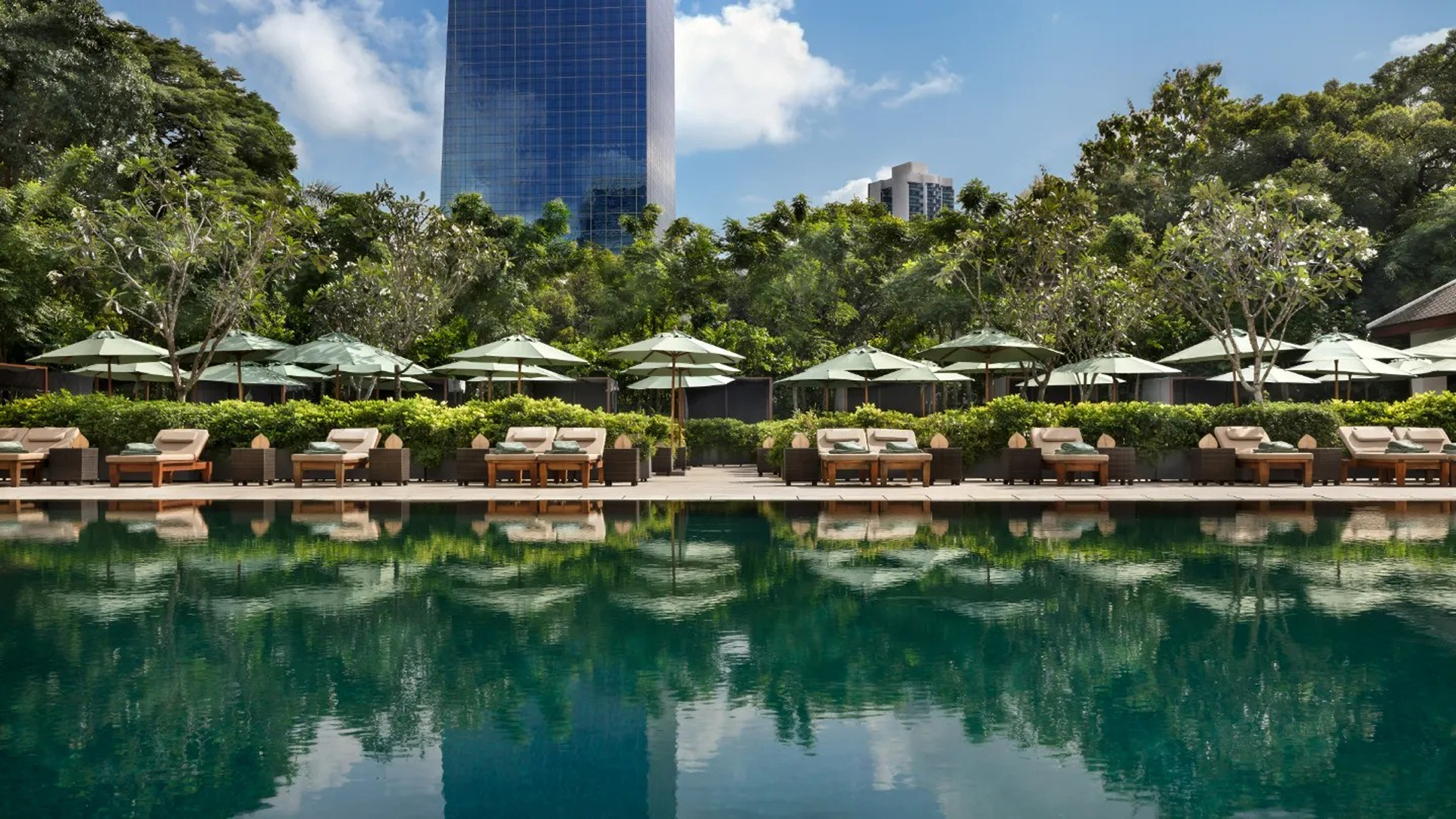
Light defines depth, shadow, and rhythm. Circulation defines pace. Together, they determine how guests move and pause within a property. Calm emerges when transitions remain predictable and gradual.
At The Chedi Muscat, long axes and layered courtyards structure movement. Natural light filters through colonnades with consistent rhythm. Guests understand direction without signage overload. This clarity reduces cognitive effort and supports composure.
Abrupt changes in scale or brightness disrupt perception. When spatial transitions unfold gradually, guests remain oriented. Predictability in circulation signals control and strengthens comfort.
At Alila Jabal Akhdar, pathways follow terrain with measured progression. Interior corridors lead toward framed views. Each transition reinforces continuity. Guests experience serenity because movement feels structured.
Calm depends on what remains unoccupied. Empty zones allow architecture to breathe and perception to stabilise. When every surface carries ornament or programmatic demand, tension accumulates.
The Upper House Hong Kong integrates generous voids and restrained detailing within its vertical structure. Public areas retain open space that absorbs movement. Emptiness functions as compositional discipline rather than absence.
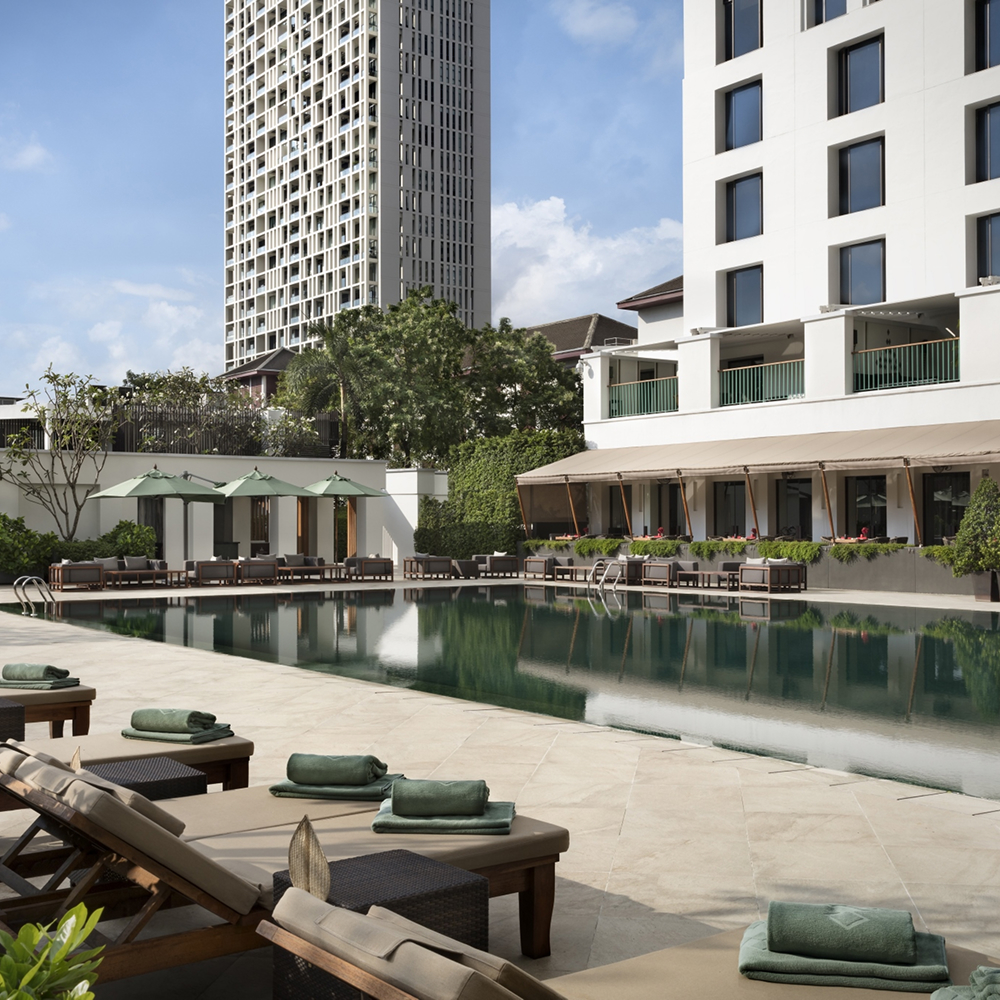
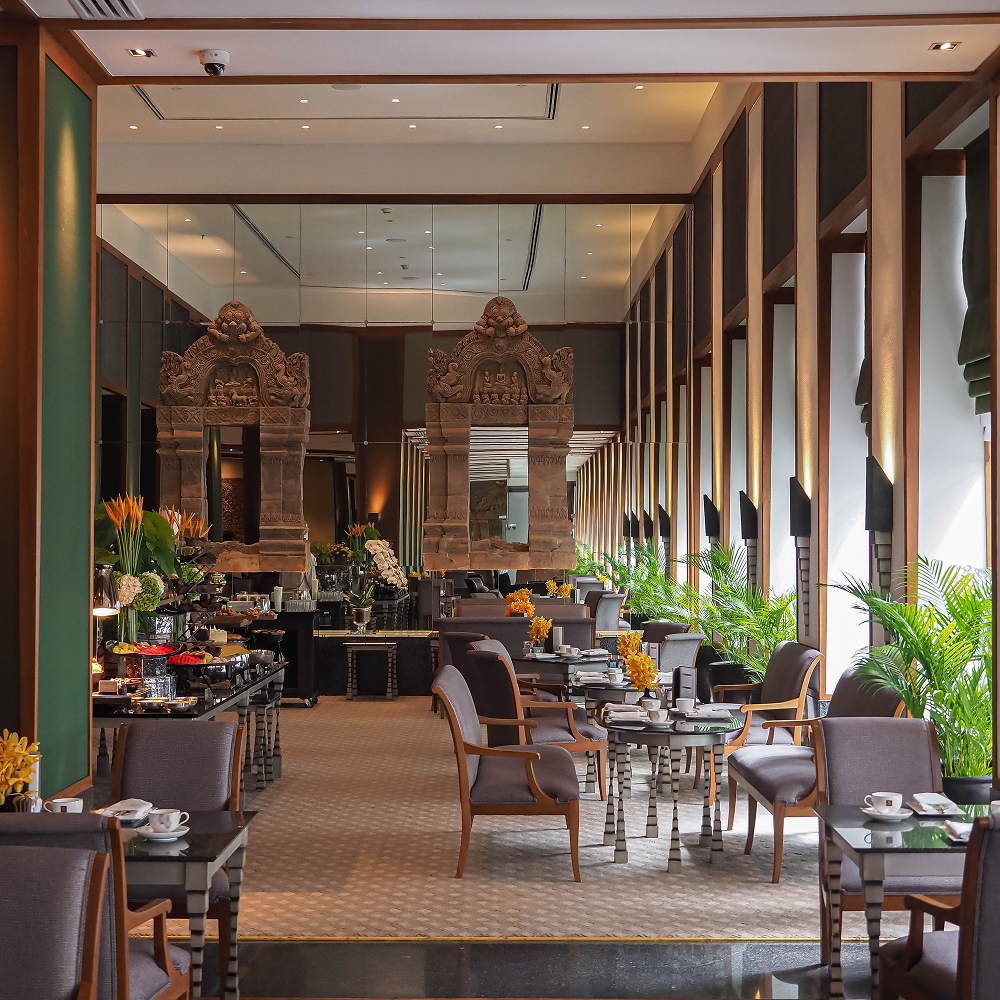
Serenity does not result from soft textiles or muted palettes alone. It arises when proportion, light, and circulation align within a coherent framework. Decorative choices can support calm, yet they cannot compensate for structural imbalance.
At Six Senses Bhutan, lodges follow consistent volumetric logic across different valleys. Spatial discipline remains stable despite geographical variation. Guests recognise continuity because architectural order anchors experience.
Calm functions as a design outcome rooted in discipline. When space is structured with restraint, guests feel serenity instinctively. Architecture communicates control before narrative begins.
Epikure works with hospitality leaders to translate positioning into spatial clarity and disciplined experience design. You can begin this conversation through the Epikure contact page and ensure that calm becomes a structural foundation rather than a decorative afterthought.
