
Desert hospitality translates immensity into emotion. Where sound disappears and horizons expand, luxury finds new language. Space, temperature, and stillness replace ornament. Each gesture becomes intentional, each material deliberate. Desert hotels redefine refinement through quiet and proportion, offering comfort shaped by light, sand, and distance. The result is an experience that honours silence as the most sophisticated form of presence.
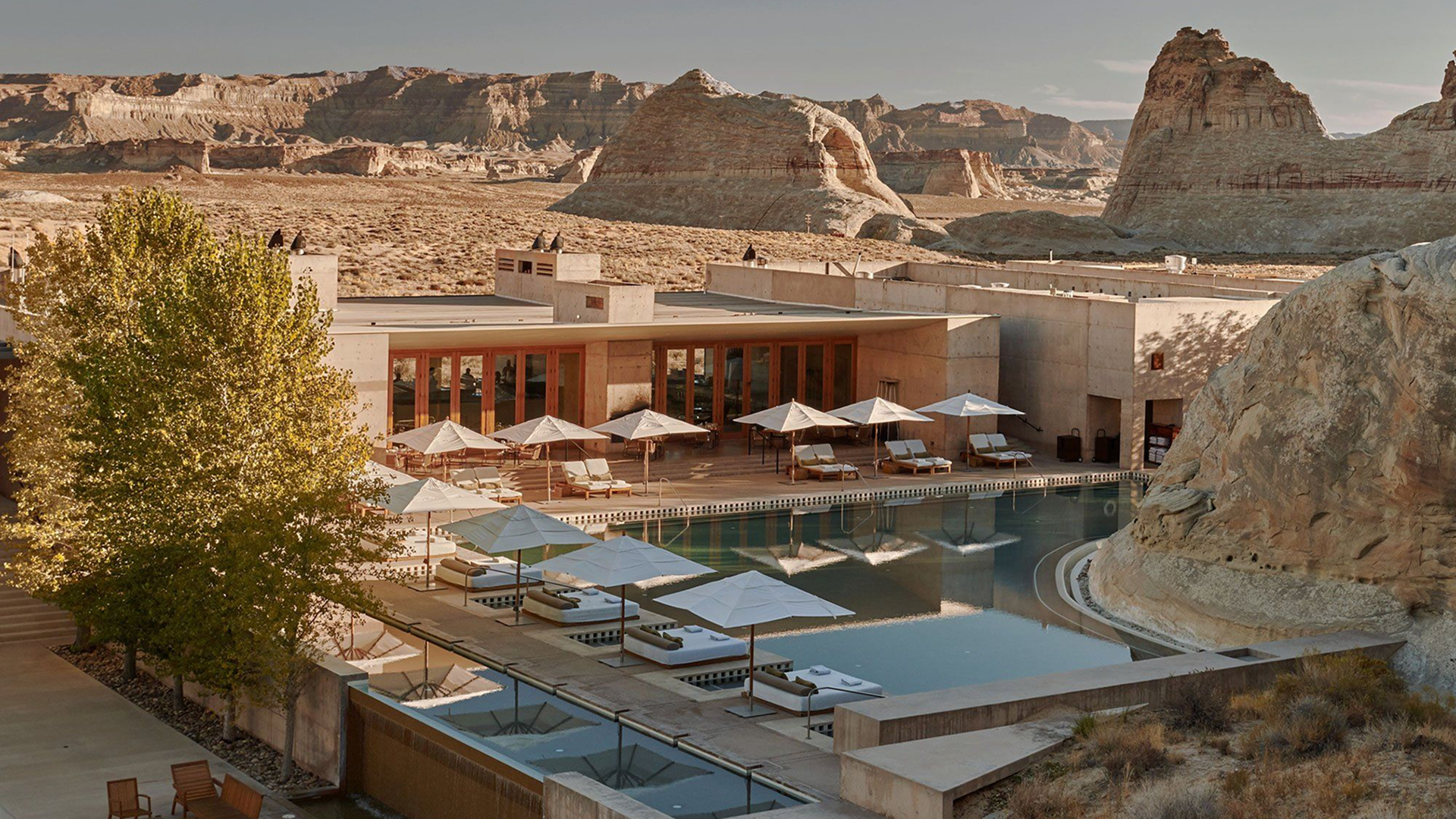
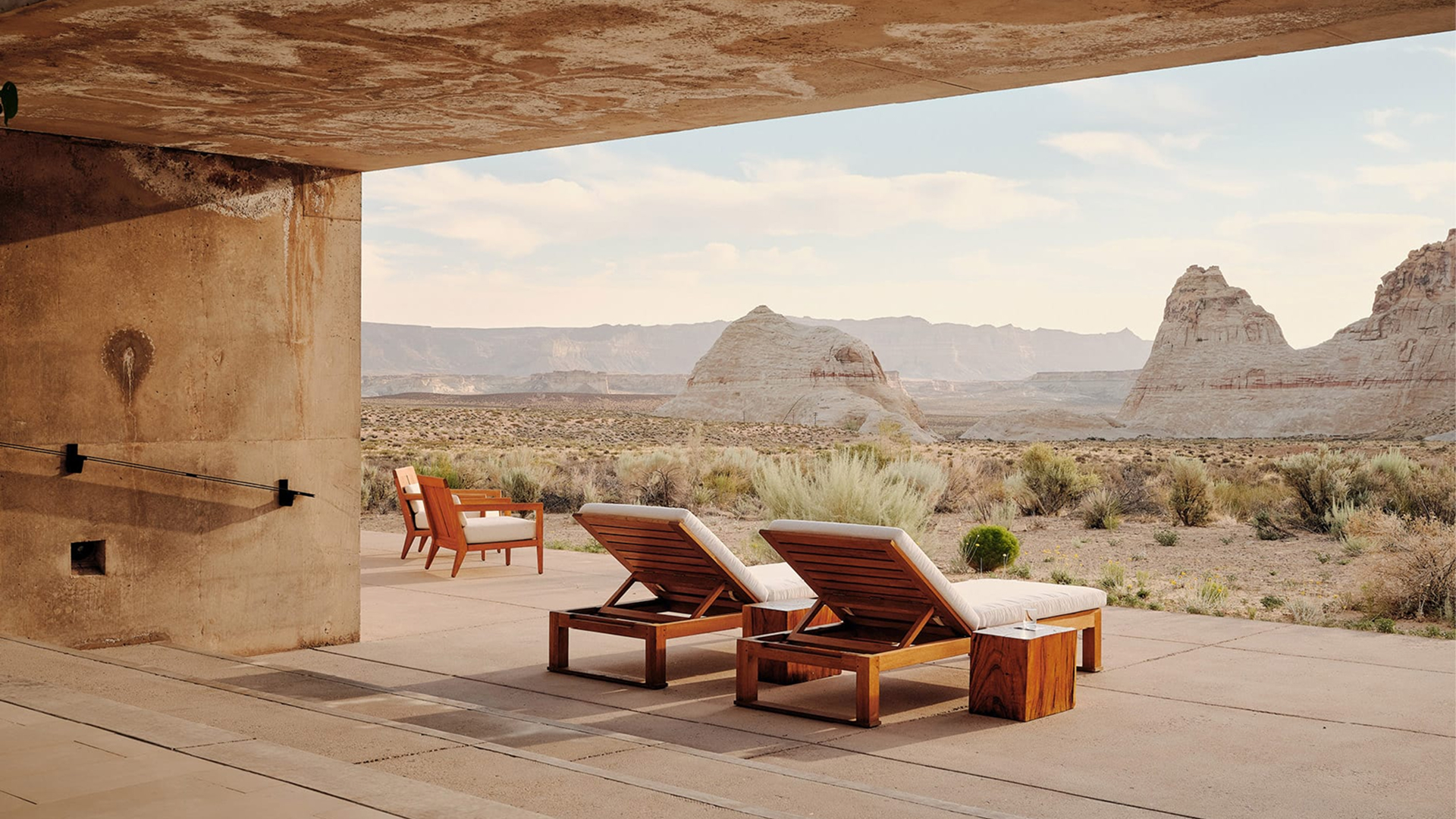
Design in the desert begins with humility. Buildings merge with topography rather than dominate it. Walls, paths, and courtyards respond to light and wind instead of spectacle. Amangiri in Utah embodies this principle. The property integrates directly into the mesa, using concrete, sandstone, and geometric restraint to amplify rather than contrast with the landscape. Guests move through spaces that echo the desert’s stillness. The boundary between architecture and nature fades until both feel inseparable.
Desert architecture gains power through proportion. Wide courtyards, long corridors, and expansive terraces allow the eye to rest. AlUla Habitas in Saudi Arabia follows this principle, with low horizontal structures that blend into the valley. Each angle invites perspective rather than interruption. The human scale remains constant, giving the vastness of the desert a sense of intimacy. The relationship between space and silence defines comfort as continuity rather than isolation.
Light carries intensity in the desert, and shadow becomes the true material of design. Al Baleed Resort Salalah by Anantara in Oman sculpts its architecture around this idea. Narrow openings, thick walls, and textured stone filter sunlight into calm interiors that glow softly through reflection. Shade extends rest. The contrast between brightness and stillness transforms shadow into luxury, turning absence into the most refined form of presence.
Sound behaves differently in open terrain. The absence of echo enhances awareness, and guests begin to hear smaller rhythms: footsteps, air movement, distant insects. Architecture that preserves this soundscape elevates the perception of serenity. The Chedi Al Bait Sharjah achieves this through thick walls, inner courtyards, and restrained materiality. The result feels sacred yet hospitable. Every sound belongs to the space, creating intimacy between guest and environment.
Materials define how silence feels. Rough stone, raw plaster, and sand-toned fabrics absorb sound and filter heat. Qasr Al Sarab Desert Resort by Anantara exemplifies this harmony by translating Bedouin tradition into tactile luxury. Courtyards provide pause, arches frame light, and fabrics move with the breeze. Guests experience calm through temperature, texture, and touch, each layer reinforcing the rhythm of the desert.
Air movement replaces decoration. Open corridors, shaded verandas, and natural ventilation align architecture with climate. Amanjena near Marrakech masters this equilibrium through grand arcades, reflecting pools, and minimal ornamentation. Still water multiplies silence. The composition evokes both palace and mirage, balancing hospitality and introspection. The experience is not absence but density, a calm built from control, balance, and elemental beauty.
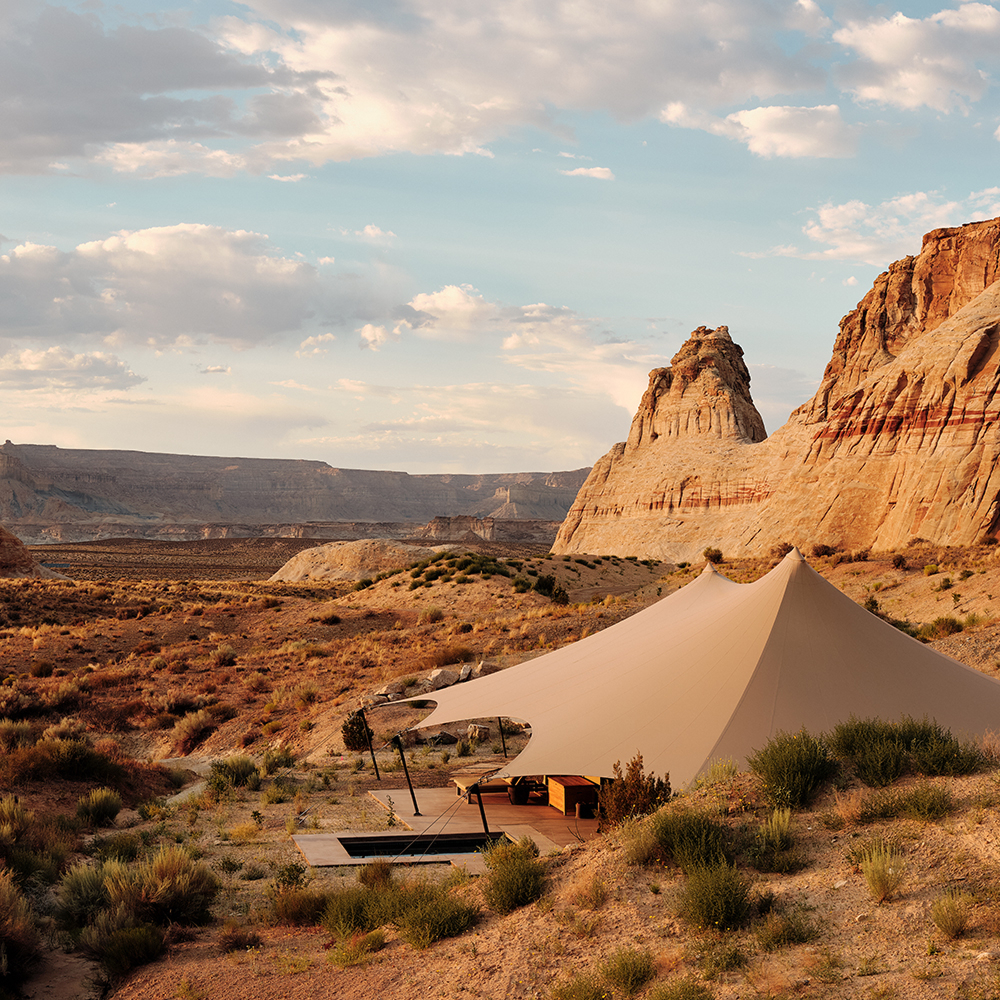

The desert reveals that silence can hold meaning equal to form. Hotels that thrive in these environments demonstrate mastery through restraint. Every proportion, light source, and material choice contributes to a vocabulary of calm. In Al Maha Desert Resort, canvas suites open toward dunes, erasing boundaries between interior and landscape. Stillness becomes the ultimate measure of sophistication.
Silence builds trust. Guests perceive intention in each architectural decision, sensing that comfort arises from precision rather than abundance. Desert hospitality teaches that emptiness is focus, an architecture of quiet where time expands. Epikure helps properties translate this balance of space, silence, and structure into identity. Contact us to shape calm environments that express luxury through restraint and proportion.
