
Art and hospitality share a common ambition, to create emotion through presence and precision. When artists, chefs, and designers work with hoteliers, the result transcends decoration and becomes dialogue. Spaces gain rhythm and depth, each detail shaped by shared intention. Guests enter environments where objects, textures, and gestures carry meaning. Collaboration, when guided by clarity and trust, builds a sense of place that feels both personal and evolving.
Collaboration defines how a hotel expresses its story. It influences tone, rhythm, and atmosphere. La Colombe d’Or in Saint-Paul-de-Vence exemplifies this integration. For decades, artists have contributed works that now live within the property. Paintings, ceramics, and sculptures belong to daily life rather than exhibition. The relationship between host and artist has shaped a living collection that blends art and hospitality with sincerity. The result feels cohesive, rooted in continuity and shared sensibility.
The most meaningful collaborations integrate art into the guest journey. The Fife Arms in Scotland curates thousands of artworks, combining historical pieces with contemporary commissions. Each corridor and salon holds works that interact with local materials and light. Guests experience art as part of the environment, not as display. The visual rhythm feels natural and generous, turning the property into an evolving cultural space where every piece supports emotion rather than spectacle.
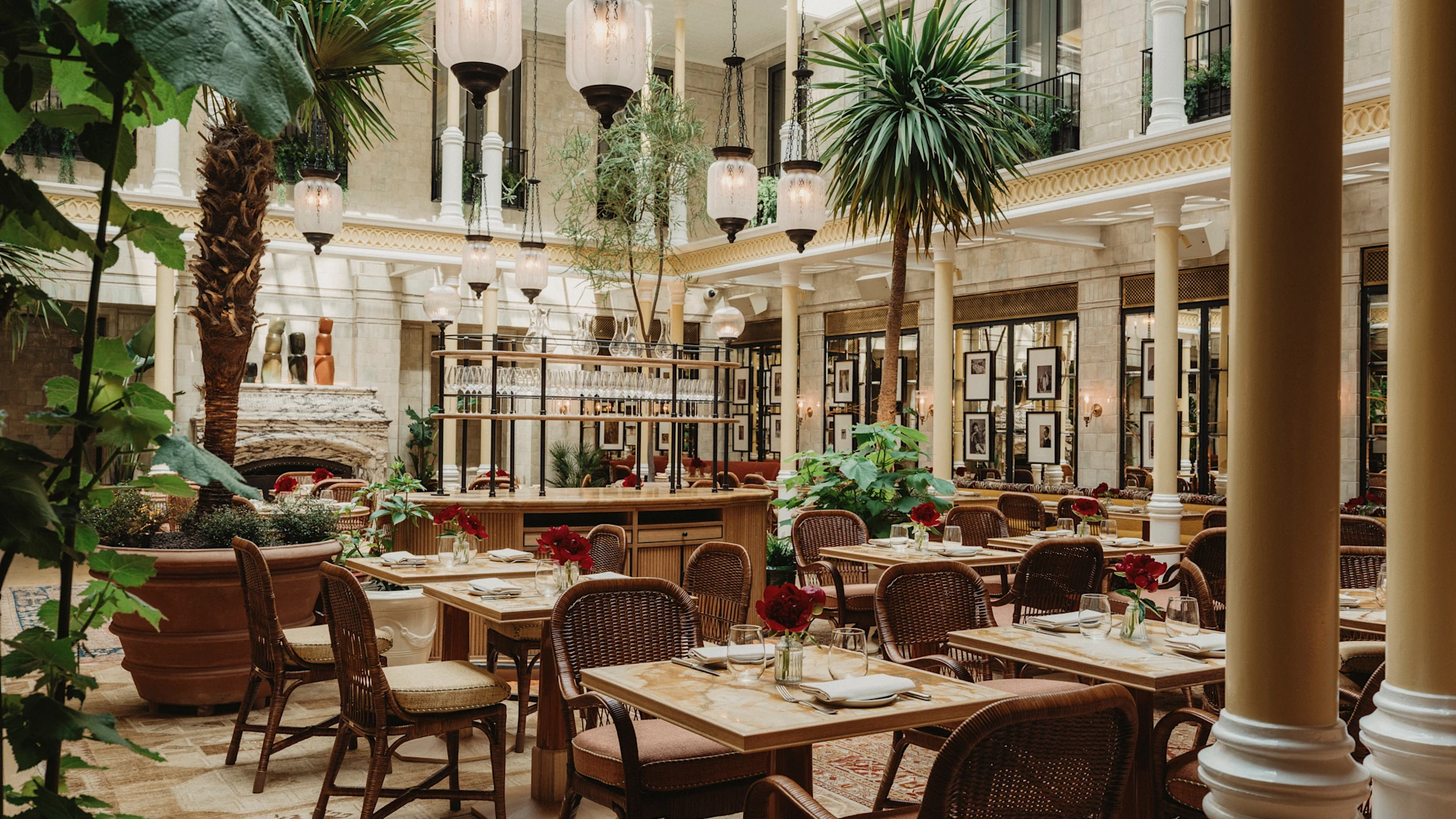
Collaboration extends beyond visual form. Partnerships with chefs and artisans express the identity of a property through taste, ritual, and rhythm. The NoMad London demonstrates this coherence. The restaurant connects culinary storytelling with architectural heritage, aligning menu, service, and design into one narrative. Guests perceive harmony between food and space. Each dish, tone, and gesture reflects the same authorship. The collaboration transforms dining into a cultural act that defines the brand’s personality.
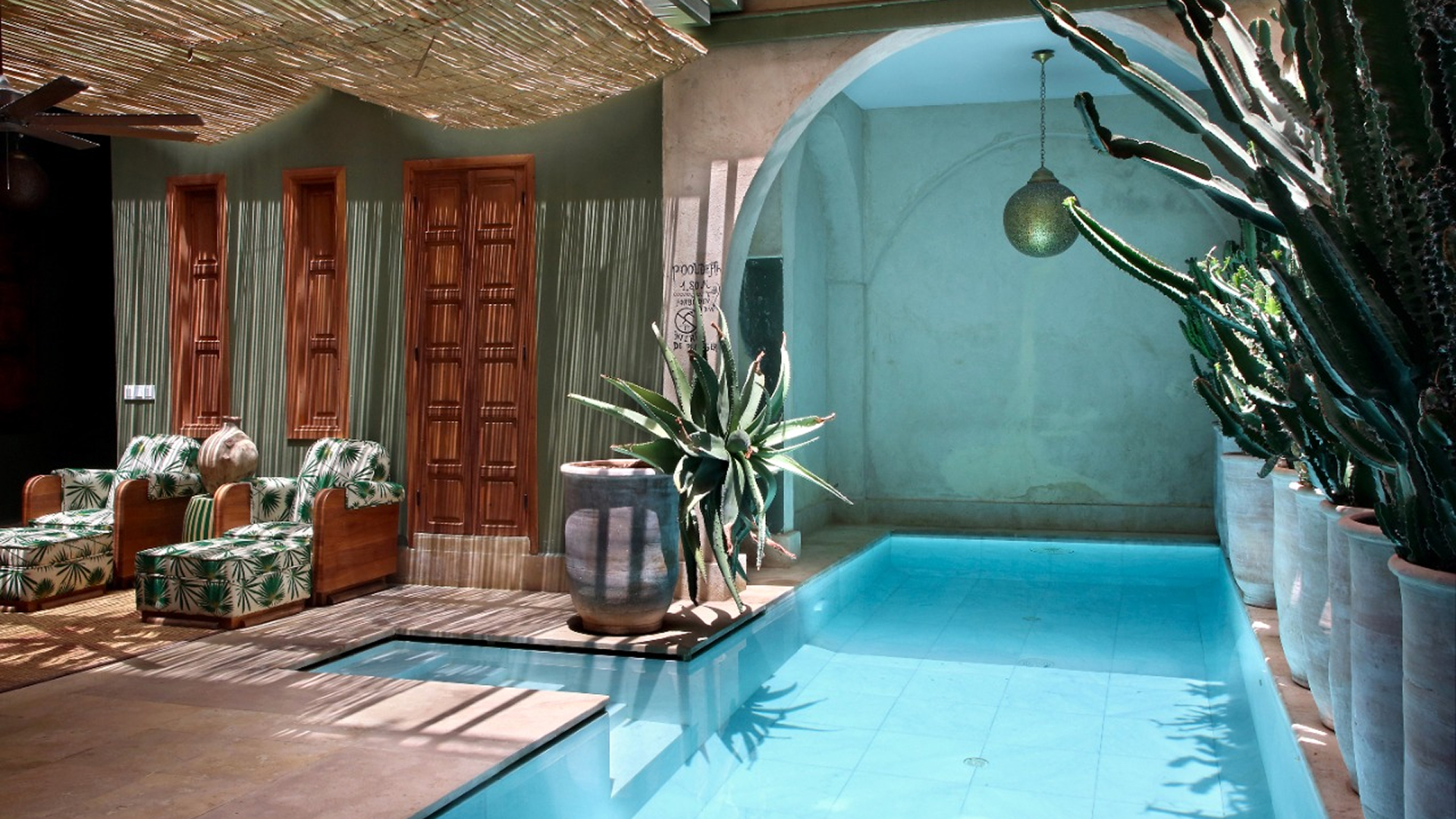
When hotels invite artists and designers from the start, architecture gains emotion and context. El Fenn in Marrakech shows this balance through collaboration between Vanessa Branson and Moroccan artisans. Contemporary works and traditional materials coexist with natural ease. Zellige, plaster, and fabric blend with modern composition to form a coherent rhythm. Art feels lived, and craftsmanship becomes part of the property’s language. Guests experience vitality that grows with time, shaped by the ongoing relationship between creation and care.
Each collaboration gives material new meaning. The Maker Hotel in Hudson, New York, builds identity around partnerships with local artisans. Glassblowers, perfumers, and woodworkers contribute directly to the architecture. Each light, fragrance, and chair tells a story of origin. The hotel feels inhabited by its creators. Guests perceive authenticity through texture and balance, sensing that every surface expresses a human hand. The experience becomes tangible and intimate, connecting design to craftsmanship with natural coherence.
When creative disciplines intersect, identity gains depth. Palazzo Experimental in Venice aligns Dorothée Meilichzon’s design with the Experimental Group’s vision of hospitality. Patterns, colors, and proportions reinterpret Venetian heritage through a modern lens. Each space feels curated and precise without losing spontaneity. Collaboration here reflects shared values rather than contrast, transforming architecture into a living dialogue between past and present.
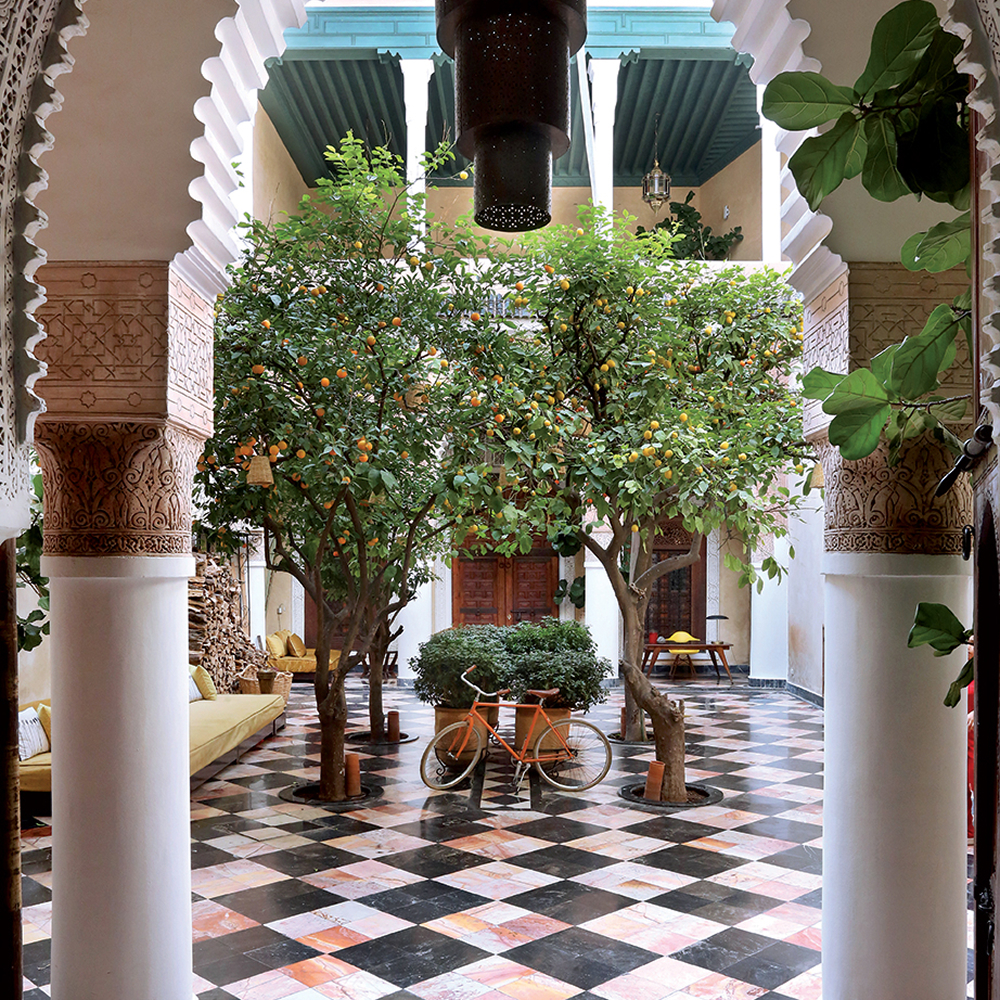
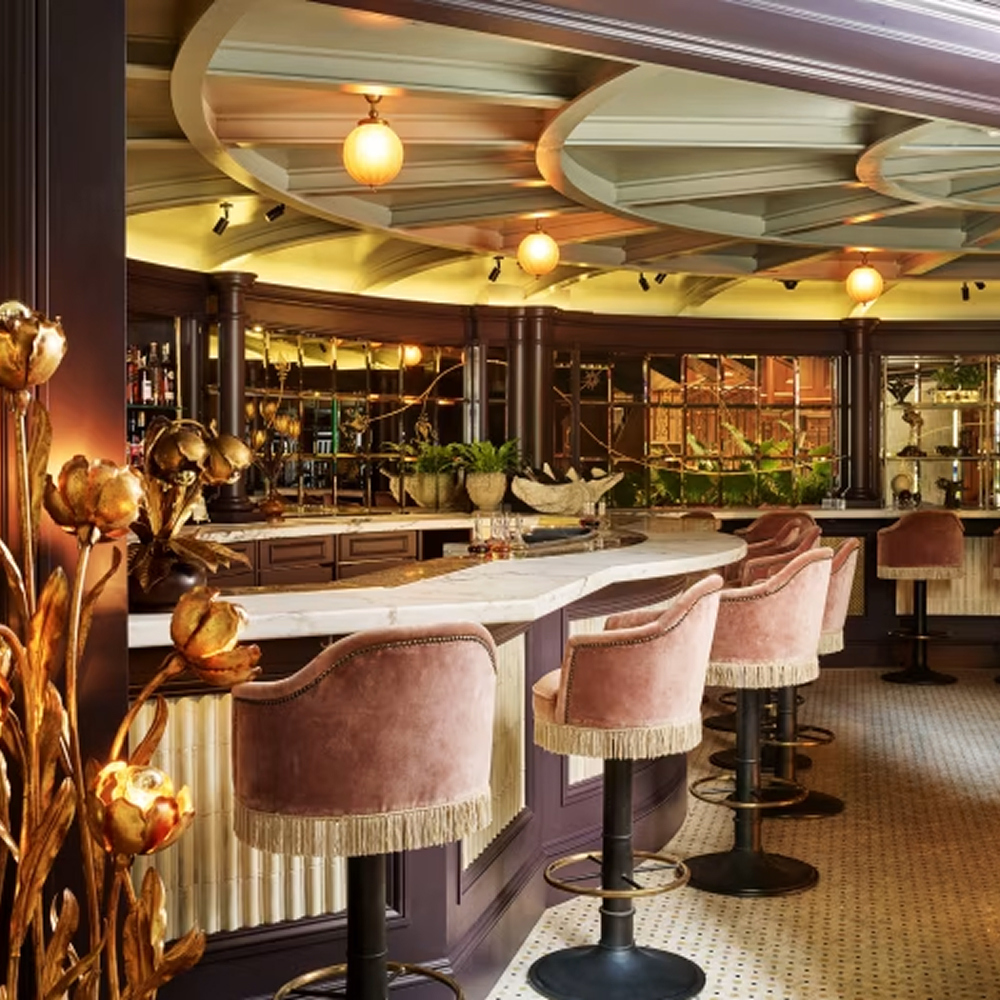
Collaboration becomes hospitality when every creative contribution supports emotion and belonging. Villa La Coste in Provence embodies this approach. Artists, architects, and chefs shape the property together. Sculpture, landscape, and cuisine follow a common rhythm. Guests encounter art as part of experience, surrounded by harmony between creation and service.
This alignment transforms the stay into participation. Each space reflects intention, and each gesture carries coherence. When art feels lived rather than observed, it builds memory and attachment. Epikure helps properties curate partnerships that express culture through architecture, design, and craft. Contact us to shape collaborations that strengthen your narrative and translate creativity into identity.
