
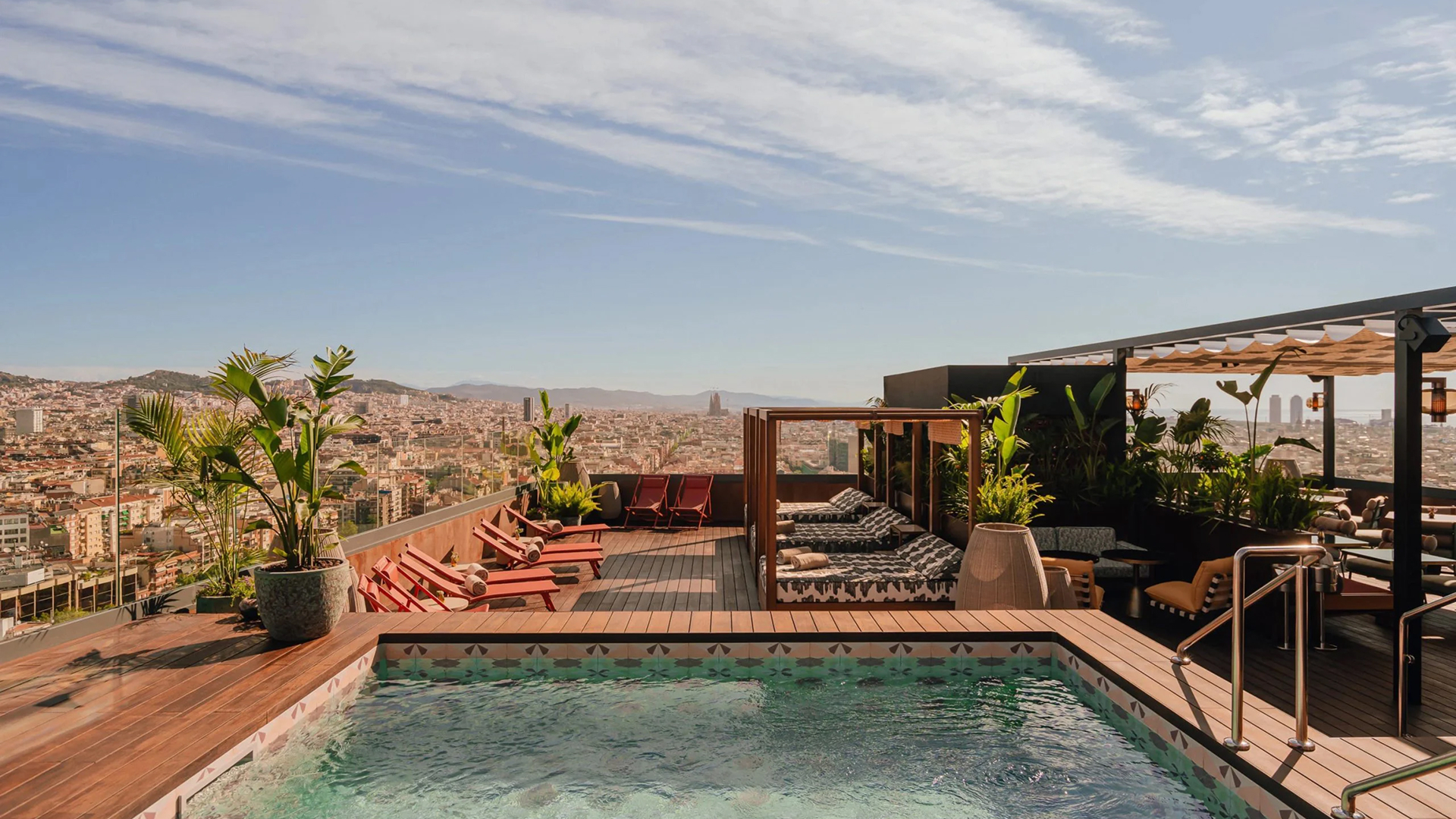
You do not experience a hotel as a collection of independent services. You experience it as a system that unfolds across rooms, dining, wellness, retail, and shared spaces, each contributing to the same perception. When this continuity breaks, even briefly, orientation weakens and confidence erodes. In hospitality environments where several experiences coexist, coherence becomes a structural requirement rather than a stylistic preference. Luxury emerges when complexity remains readable and when every touchpoint reinforces the same intent. A brand ecosystem functions when diversity never forces interpretation. Each experience extends a shared framework without repetition or contradiction, allowing you to move through the property without recalibrating expectations.
You feel alignment when different spaces follow the same underlying rules while expressing them in distinct ways. A restaurant does not need to resemble a spa, and a retail space does not need to mirror a guest room. What matters is consistency in tone, proportion, service posture, and decision making. When these elements align, variety adds depth rather than confusion.
This logic appears clearly at Rosewood London, where accommodation, dining venues, event spaces, and private clubs operate under a shared rhythm of restraint and clarity despite very different functions. You recognise the brand instantly because every space feels intentional and connected. The ecosystem works because rules guide expression without limiting it.
This shared framework reduces cognitive effort. You understand how to behave and what to expect without explanation, which reinforces comfort and confidence.
Trust grows when a brand behaves consistently across time and context. When service language shifts between outlets, or when spatial cues contradict one another, doubt appears. Confidence strengthens when transitions feel predictable, even as atmospheres change and functions vary.
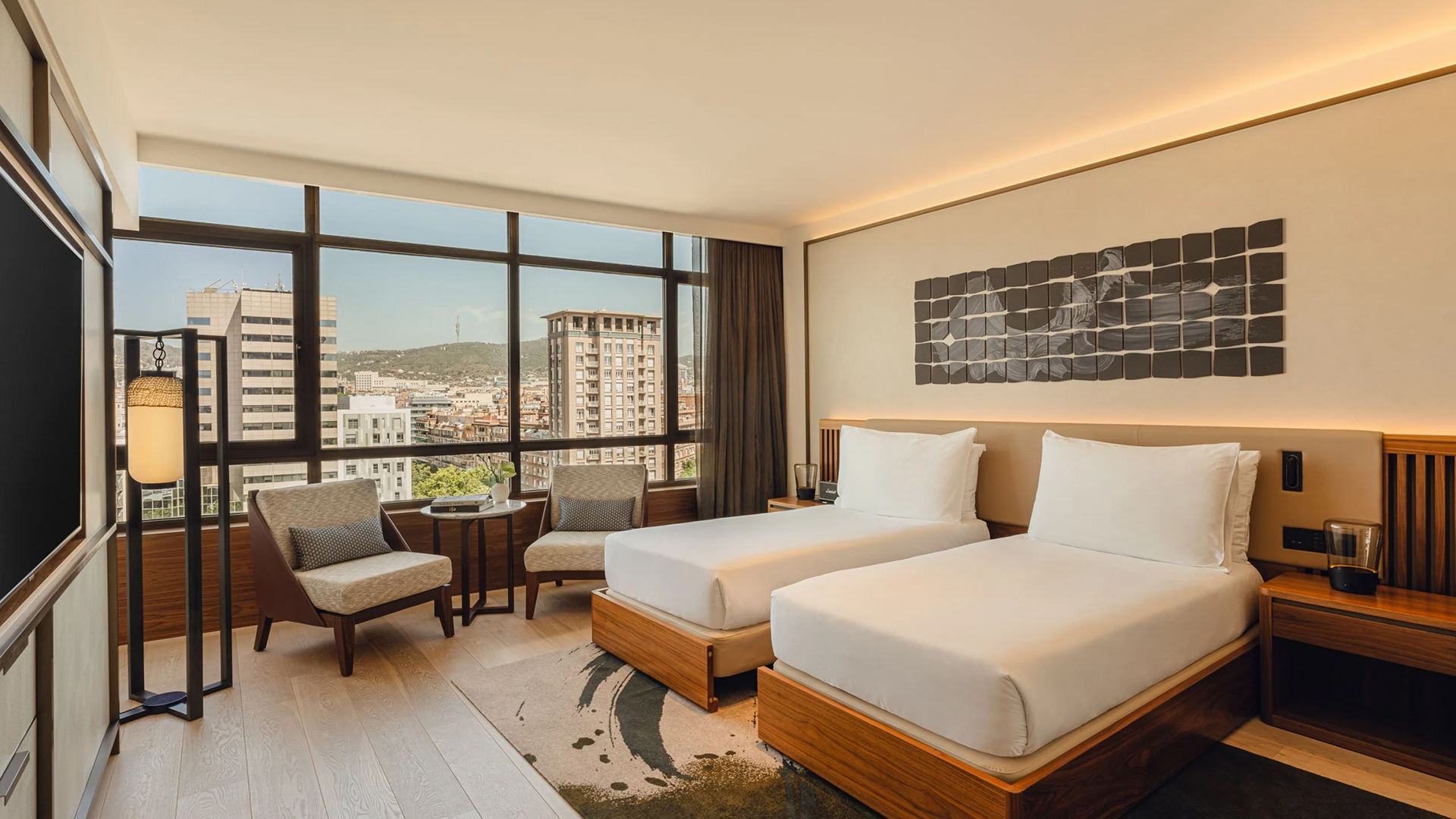
At Nobu Hotel Barcelona, rooms, restaurants, wellness areas, and public spaces follow the same balance between precision and warmth. Dining expresses energy, accommodation expresses calm, yet both operate within the same brand grammar. You move comfortably between spaces because the ecosystem confirms what you already understand about the brand.
This consistency signals operational control. Engagement deepens because trust accumulates quietly, allowing guests to explore additional experiences without hesitation.
A coherent brand ecosystem allows narrative and commercial logic to reinforce each other. When you understand how each experience fits into a single story, movement between touchpoints feels natural rather than encouraged. Dining, spa treatments, retail, and events become extensions of the same promise instead of separate propositions.
This alignment supports performance. Properties with clear brand ecosystems encourage guests to engage with secondary services without friction. At Bvlgari Hotel Paris, hospitality, gastronomy, spa, and retail operate under one recognisable tone. You move from room to restaurant to boutique seamlessly because each space confirms the same intent. Revenue benefits because experiences support each other instead of competing for attention.
You often encounter the brand digitally before arrival. When digital tone diverges from physical experience, trust weakens early. A brand ecosystem requires digital expression to follow the same rules as architecture and service design.
Hotel Lutetia demonstrates this alignment through a digital presence that reflects the same restraint, pacing, and hierarchy found on site. Content structure, language, and navigation mirror the lived experience. Expectations remain accurate because no channel exaggerates or contradicts another.
Digital consistency prepares rather than persuades. Preparation builds confidence.
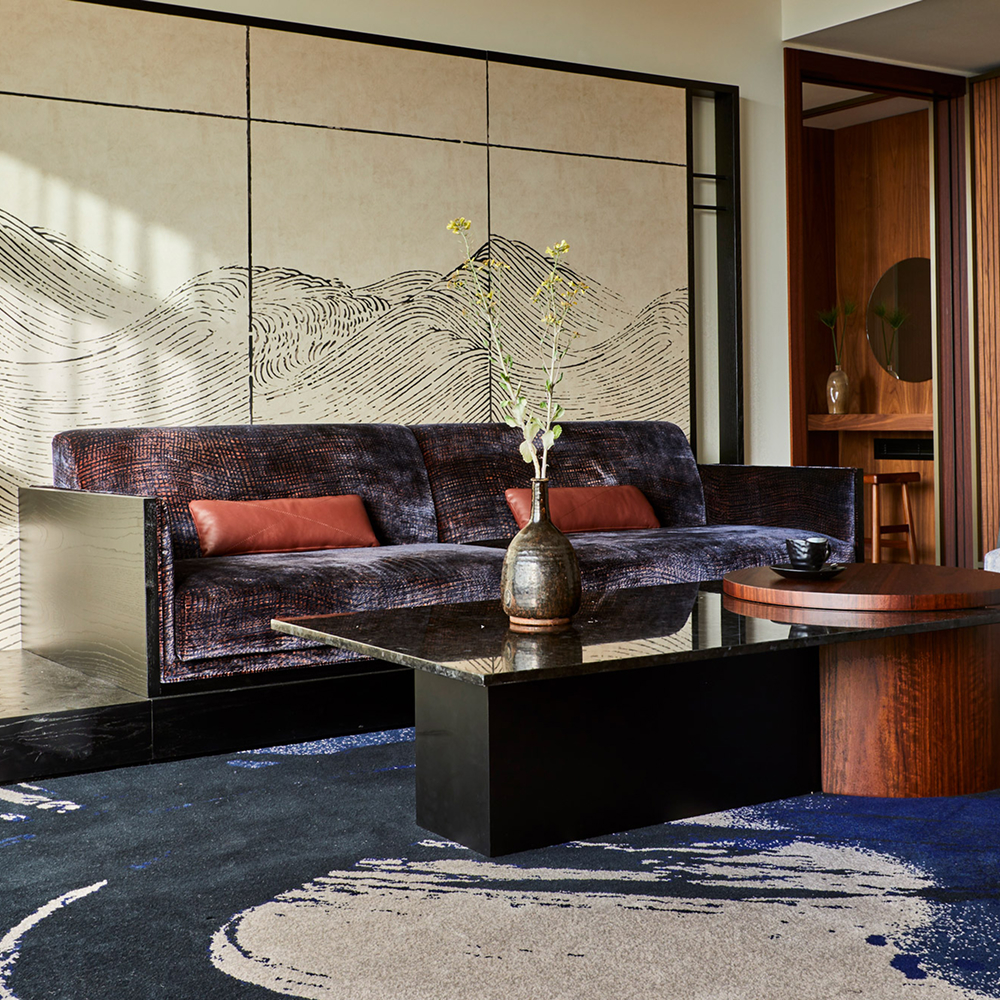
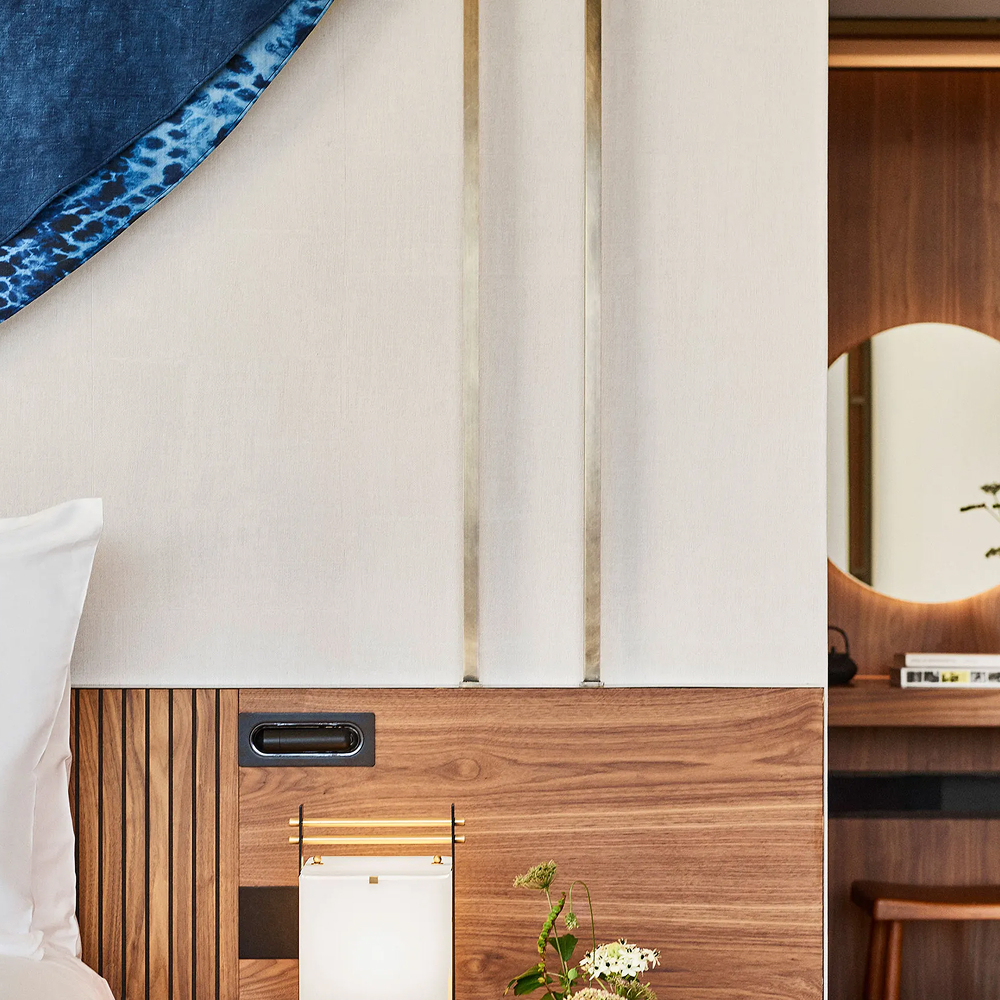
Modern hospitality rarely revolves around a single experience. Complexity has become standard. What distinguishes premium brands is their ability to maintain coherence across this complexity without flattening identity. Each space retains its role while contributing to a unified whole.
At Cheval Blanc St-Tropez, accommodation, gastronomy, wellness, and leisure activities follow one disciplined vision despite very different expressions. You never need to recalibrate your understanding of the brand as you move through the property. Tone remains stable. Intent remains clear.
Hotels that approach branding as an ecosystem rather than a series of isolated projects build stronger emotional attachment and more resilient business models. This level of alignment requires strategic clarity, disciplined experience design, and precise digital structure working together, an approach supported by Epikure when hospitality brands seek to ensure that every touchpoint speaks the same language.
