
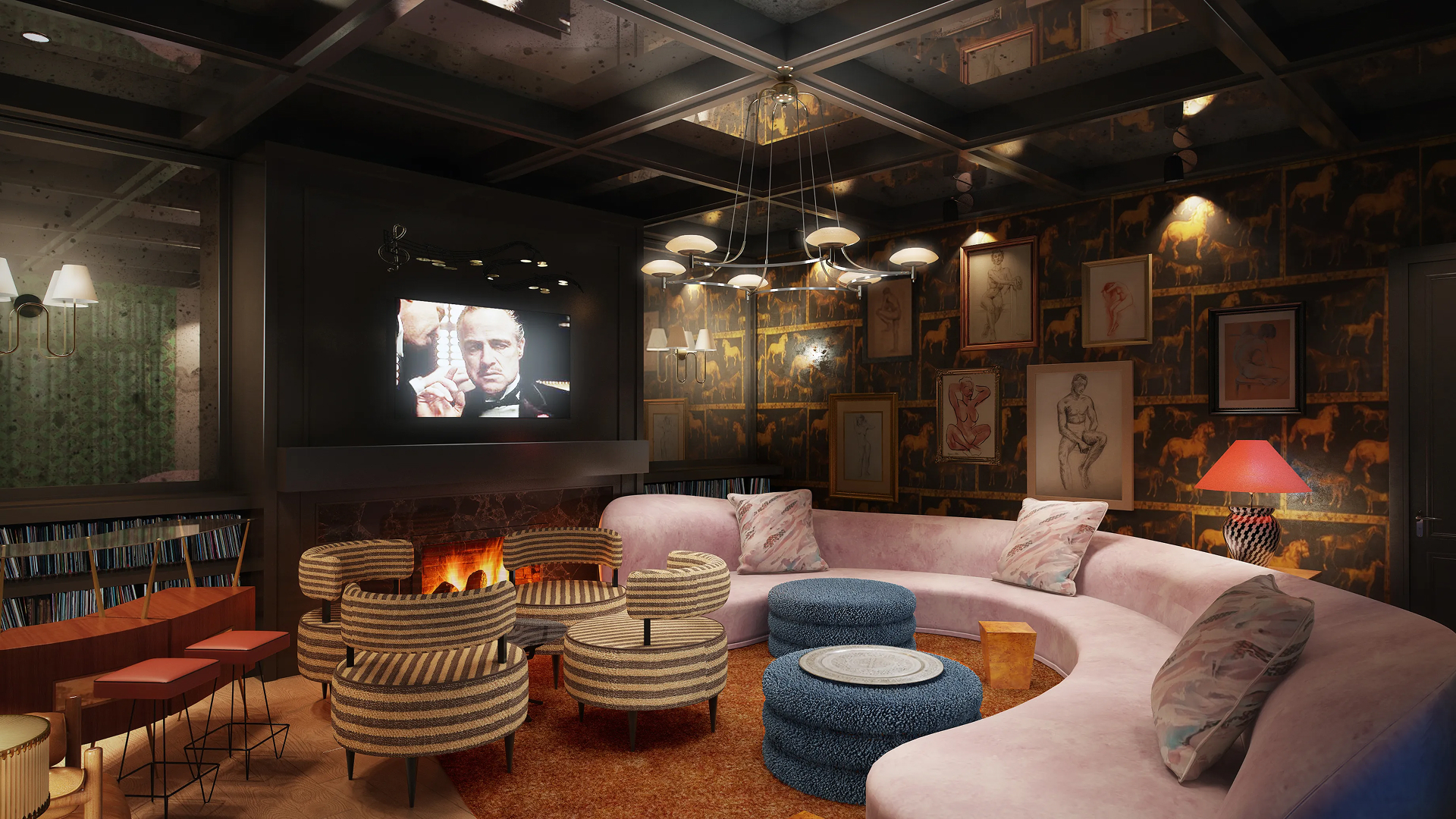
Boutique hotels rarely compete through scale, distribution power, or operational standardisation. Their strength comes from clarity. A strong independent property communicates a precise atmosphere, a recognisable rhythm, and a coherent relationship between architecture, service, and guest experience. Guests remember these hotels because the identity feels concentrated rather than diluted across multiple audiences or concepts. This clarity gives boutique hospitality a structural advantage. Smaller properties can align design, operations, and tone more precisely because decision making remains focused. The strongest boutique hotels do not attempt to satisfy every type of guest. They build recognition through coherence, allowing architecture, atmosphere, and operational rhythm to reinforce the same positioning continuously.
Boutique hotels build identity by expressing one clear idea consistently across every touchpoint. Guests understand the atmosphere immediately because architecture, communication, and service all follow the same direction without contradiction.
Hotel Saint Vincent in New Orleans structures its identity around residential intimacy, cultural depth, and restrained social energy. Interiors, lighting, and guest rhythm support the same atmosphere continuously. The property feels recognisable because every decision reinforces one coherent emotional tone rather than combining competing luxury codes.
Large hospitality groups often balance brand consistency with broad audience appeal. Boutique hotels can position themselves more narrowly, which strengthens emotional clarity and differentiation.
Casa Fayette in Guadalajara aligns architecture, gastronomy, and music atmosphere around one contemporary urban identity rooted in the surrounding neighbourhood. Guests experience continuity because the property avoids unnecessary diversification and protects its positioning carefully.
Boutique properties often generate stronger emotional attachment when they prioritise coherence instead of multiplying amenities or visual effects. Guests respond positively to environments that feel intentional and easy to read.
Hotels that attempt to combine wellness retreat, nightlife destination, coworking hub, and family resort simultaneously often weaken perception because the experience loses direction. Boutique hospitality becomes stronger when the concept remains disciplined.
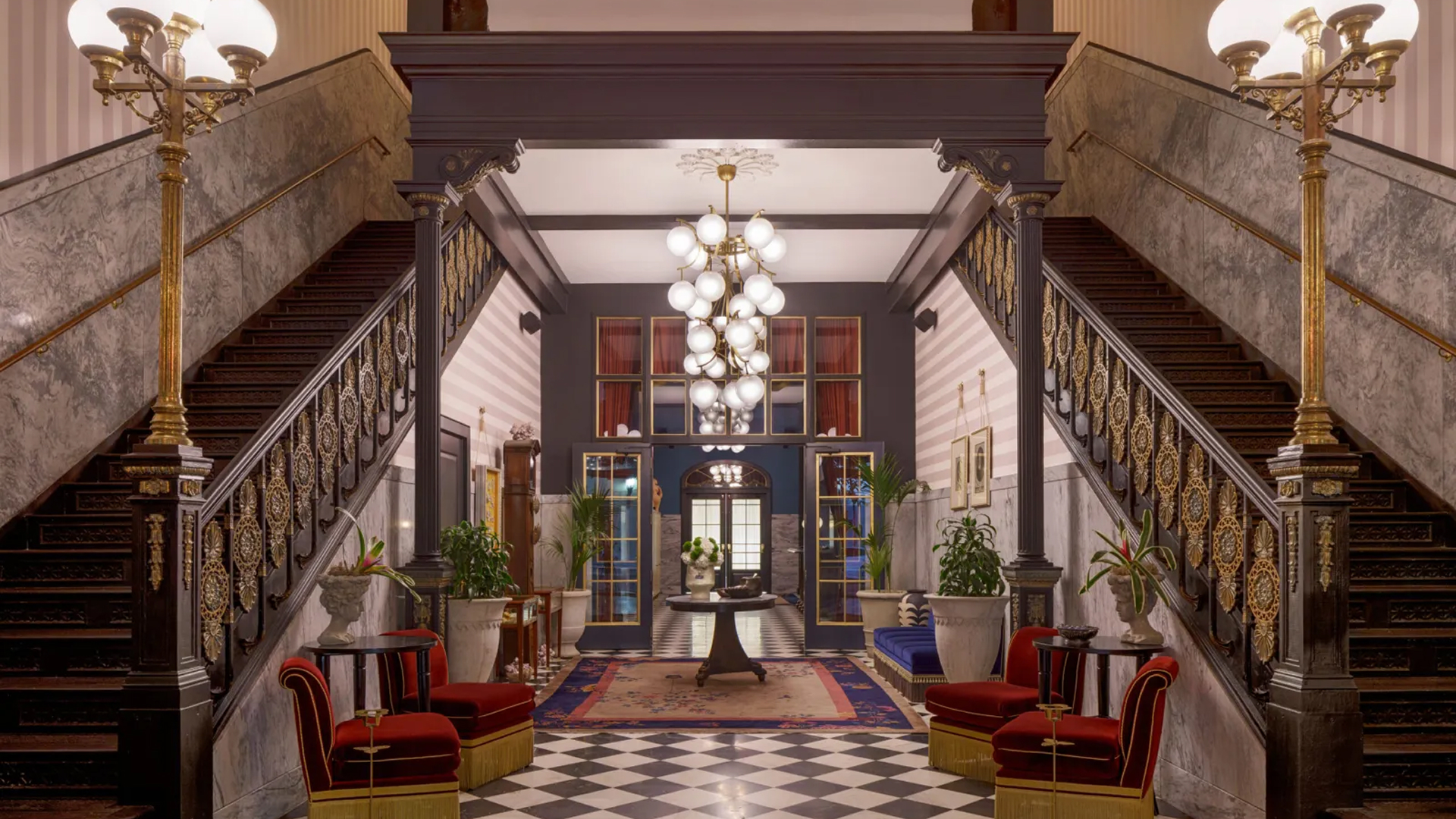
Boutique hotels rely heavily on atmosphere because physical space acts as the primary communication tool. Materials, lighting, furniture scale, and circulation all contribute to brand identity long before guests interact with staff.
Drift Palm Springs structures its architecture and interiors around desert restraint, outdoor rhythm, and residential calm. The experience feels unified because visual language remains stable across rooms, public areas, and guest movement throughout the property.
Guests remember boutique hotels when spaces maintain the same emotional logic continuously. Public areas, guest rooms, restaurants, and transitions must reinforce one another rather than introducing competing identities.
Villa Bokeh in Antigua Guatemala maintains continuity through restrained materiality, landscape integration, and controlled pacing that support one calm and culturally grounded atmosphere. The property feels coherent because architecture and operational rhythm remain aligned.
Boutique identity depends equally on communication style, service posture, and operational behaviour. A refined architectural concept loses strength quickly if guest interaction follows a disconnected tone.
Properties with strong boutique positioning often maintain highly recognisable communication because tone, pacing, and service interaction reinforce the same emotional atmosphere introduced by architecture.
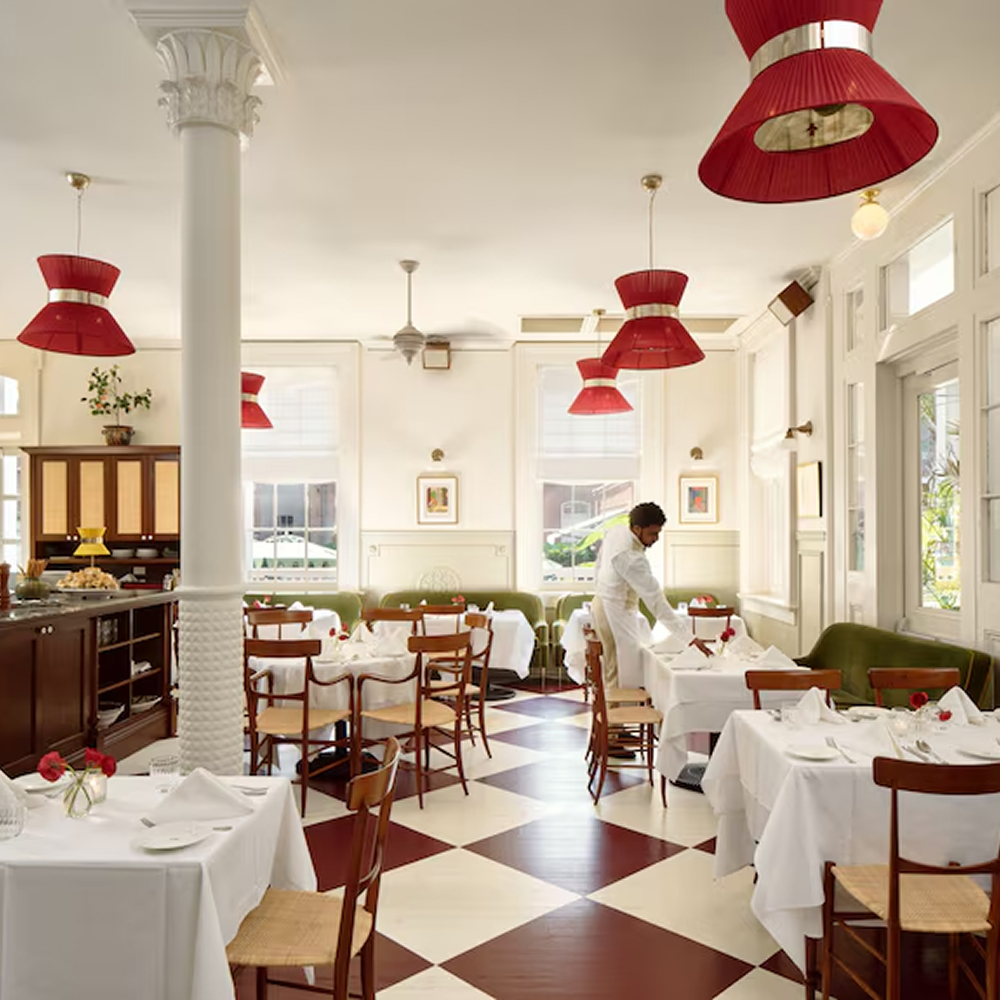
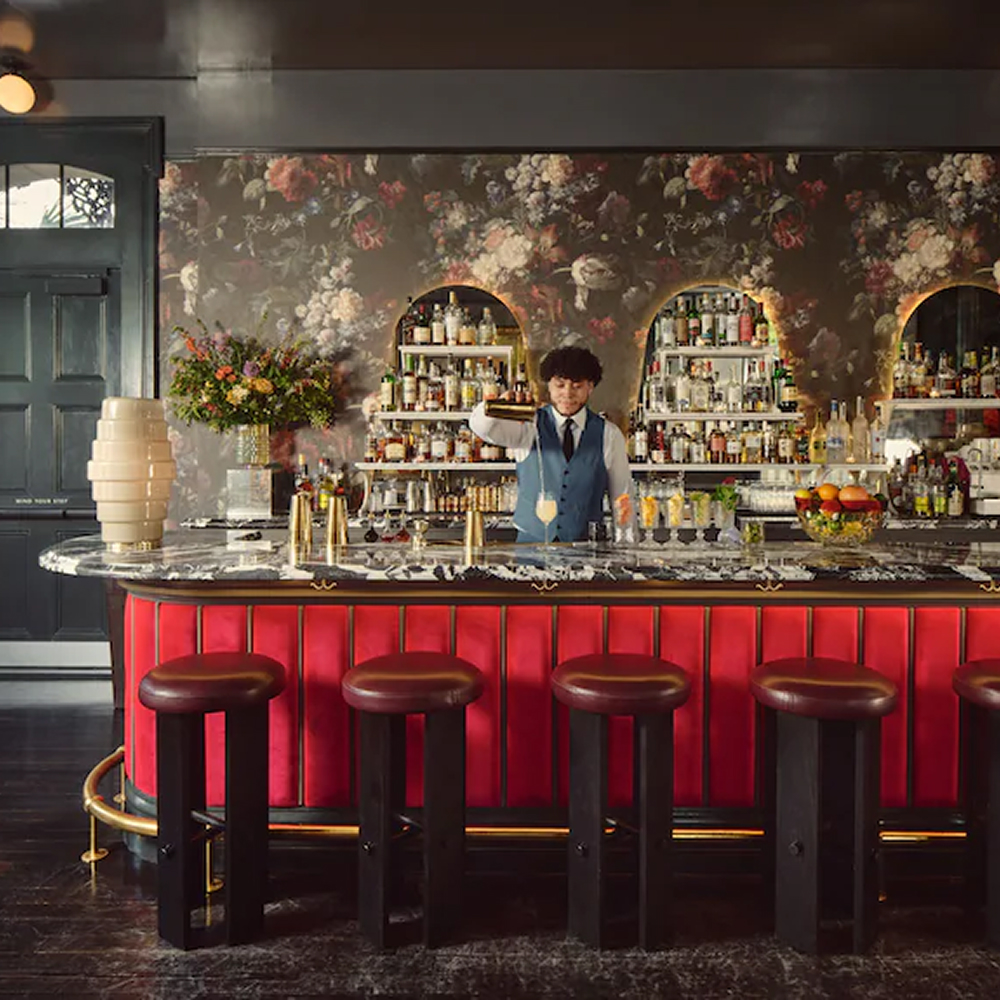
Boutique hotels often deliver stronger perceived identity because smaller scale allows tighter alignment between guest experience and operational execution. Teams maintain greater consistency when the environment remains focused and manageable.
The Largo in Porto structures hospitality around measured service, architectural calm, and local rhythm that remain stable throughout the guest journey. The smaller scale strengthens intimacy because operations reinforce the same positioning continuously rather than fragmenting across multiple experiences.
Independent hotels weaken identity when they continuously add concepts, partnerships, or programming that dilute the original atmosphere. Strong boutique brands protect coherence carefully over time.
Hotels that maintain recognisable identity usually apply strong editorial discipline to architecture, gastronomy, events, and digital communication so that every addition reinforces the same positioning rather than expanding it unnecessarily.
Boutique hotels build stronger recognition when guests associate the property with one clear emotional experience rather than with isolated design moments. Consistency strengthens memorability because the atmosphere feels stable across every touchpoint.
La Granja Ibiza maintains identity through agricultural rhythm, spatial simplicity, and restrained hospitality that all reinforce one grounded philosophy. Guests remember the atmosphere because every interaction supports the same experiential direction.
Independent hotels build powerful brand identity when concept, design, atmosphere, and operations reinforce one coherent idea continuously. Differentiation comes less from visual spectacle than from the ability to maintain clarity across the entire guest experience.
The strongest boutique properties feel recognisable because nothing appears accidental or disconnected from the original positioning. Architecture, tone, and service all contribute to the same emotional logic, allowing smaller hotels to build memorable brands without relying on network scale or standardised luxury codes.
For boutique hospitality projects seeking stronger differentiation, the most valuable work often comes from refining positioning and protecting coherence rather than expanding concepts or multiplying experiences, a strategic perspective frequently developed alongside Epikure.
